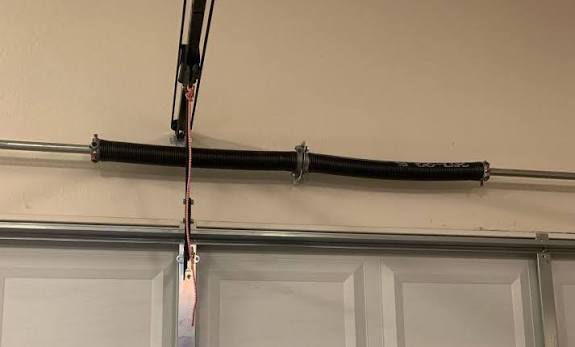
Is your garage door hanging unevenly or struggling to open smoothly? An unbalanced door can strain your opener, cause premature wear, and even become a safety hazard. Learning how to balance a garage door with a torsion spring is essential for maintaining smooth operation and extending the lifespan of your entire system.
Why Balancing Your Garage Door Matters
Before diving into the technical steps, it’s crucial to understand why balance is non-negotiable. A properly balanced garage door should stay in place when lifted halfway. If it slams shut or rises on its own, the tension is off.
According to industry experts, an unbalanced door forces the garage door opener to work up to 30% harder than necessary. This extra strain can burn out motors and strip gears within months. Furthermore, uneven tension on torsion springs increases the risk of sudden snap-backs, which are dangerous due to the high torque involved.
Safety First: Critical Precautions
Torsion springs are under extreme tension—often enough to lift hundreds of pounds. Mishandling them can result in severe injury or property damage. Before you begin, adhere to these safety rules:
- Disconnect the Opener: Always pull the emergency release cord to disconnect the door from the automatic opener.
- Wear Protective Gear: Use safety glasses and heavy-duty gloves.
- Use Proper Tools: You will need two winding bars (solid steel rods, typically 1/2-inch diameter). Never use screwdrivers or makeshift tools.
- Secure the Door: Clamp the door to the tracks below the bottom roller to prevent it from falling while you work.
If you feel unsure at any point, stop immediately and call a professional. For more detailed safety standards, refer to the Consumer Product Safety Commission guidelines regarding garage door systems.
Tools You Will Need
Gather these items before starting:
- Two steel winding bars (specifically designed for torsion springs)
- Adjustable wrench or socket set
- Vice grips or locking pliers
- Ladder (stable and tall enough to reach the spring assembly)
- Tape measure
Step-by-Step Guide: How to Balance a Garage Door With a Torsion Spring
Balancing a door involves adjusting the tension of the torsion spring so that it counteracts the weight of the door perfectly. Here is the precise process.
Step 1: Test the Current Balance
First, determine if your door is actually unbalanced.
- Disconnect the opener by pulling the red release cord.
- Lift the door manually to about waist height (3–4 feet off the ground).
- Let go carefully.
Interpret the results:
- Door stays in place: The door is balanced. No adjustment needed.
- Door falls down: The spring has too little tension. You need to add turns.
- Door rises up: The spring has too much tension. You need to release turns.
Step 2: Locate the Winding Cone
Identify the winding cone on the torsion spring. This is the part where the winding bars insert. Most residential doors have two springs, but some single-car doors have one. Ensure you are working on the correct side if adjustments are needed on both.
Step 3: Insert the Winding Bars
Insert one winding bar into a hole on the winding cone. Push it firmly until it seats completely. Insert the second bar into another hole, usually 90 degrees away from the first.
Pro Tip: Keep a firm grip on both bars at all times. The spring wants to unwind violently if not controlled.
Step 4: Adjust the Tension
The amount of adjustment depends on your test in Step 1.
- To Add Tension (Door Falls): Turn the winding cone in the direction that winds the spring tighter. Usually, this is toward the center of the door for left-wound springs and away for right-wound springs. Check your spring’s label for specific winding directions.
- To Release Tension (Door Rises): Turn the cone in the opposite direction to unwind slightly.
How many turns? A general rule of thumb is that one full turn of the cone adjusts the balance significantly. Start with quarter-turn increments. For every 10 inches of door height, approximately one full turn is standard from a fully relaxed state, but since you are fine-tuning, make small adjustments.
Step 5: Secure and Test
After making an adjustment:
- Remove the winding bars carefully.
- Tighten the set screws on the winding cone to lock the tension in place.
- Remove the clamps securing the door to the tracks.
- Test the balance again by lifting the door to waist height and releasing.
Repeat Steps 3–5 until the door stays stationary at the midpoint. It should also move smoothly throughout the entire range of motion without binding.
Common Mistakes to Avoid
| Mistake | Consequence | Solution |
|---|---|---|
| Using improper tools | Slippage and injury | Use only dedicated steel winding bars |
| Over-adjusting | Door becomes hard to close | Make quarter-turn adjustments only |
| Ignoring cable wear | Cable snap during adjustment | Inspect cables for fraying before starting |
| Not securing the door | Door falls unexpectedly | Always clamp the door to the tracks |
When to Call a Professional
While learning how to balance a garage door with a torsion spring is valuable, certain situations require expert intervention:
- Broken Springs: If a spring is snapped, do not attempt to replace it yourself unless you have specialized training.
- Damaged Cables: Frayed or broken cables pose immediate danger.
- Persistent Imbalance: If adjustments don’t solve the issue, there may be structural damage to the tracks or rollers.
- Lack of Confidence: If you are uncomfortable with the high-tension environment, hire a licensed technician.
FAQ Section
Q: How often should I check my garage door balance?
A: It is recommended to check the balance every six months. Seasonal temperature changes can affect metal tension, and regular maintenance prevents opener strain.
Q: Can I balance a garage door with extension springs instead of torsion springs?
A: The process is different. Extension springs use pulleys and cables rather than a winding cone. Balancing them involves adjusting the cable length or spring position, not winding tension. This guide specifically addresses torsion systems.
Q: What signs indicate a torsion spring is failing?
A: Look for gaps in the spring coils, rust, or a loud “bang” noise. If the door feels heavier than usual or the opener struggles, the spring may be losing tension.
Q: Is it dangerous to adjust torsion springs myself?
A: Yes, it carries significant risk due to the high stored energy. However, with proper tools, safety gear, and careful adherence to instructions, homeowners can perform minor balance adjustments. Major repairs should be left to professionals.
Q: Why does my garage door reverse when closing?
A: This is often a safety sensor issue or an imbalance. If the door is too heavy due to low spring tension, the opener’s force limit may trigger a reversal. Check the balance first before adjusting the opener’s force settings.
Conclusion
Mastering how to balance a garage door with a torsion spring empowers you to maintain a safe and efficient home entryway. By following these steps, you can prevent costly repairs, extend the life of your opener, and ensure smooth daily operation. Remember, small adjustments go a long way, and safety must always come first.
If you found this guide helpful, share it with friends or neighbors who might be struggling with noisy or sticky garage doors. A well-balanced door is a happy door!
Leave a Reply