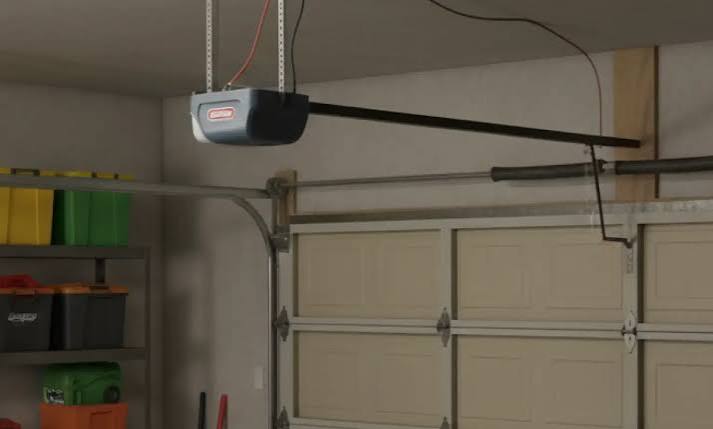
Is your Genie garage door opener struggling to lift the door, or does it reverse unexpectedly before hitting the floor? These frustrating issues often stem from incorrect force settings, a common problem for many homeowners. Knowing how to adjust Genie garage door opener force adjustment can save you time, money, and the hassle of calling a professional technician. This guide will walk you through the process safely and effectively.
Garage door openers are designed with safety mechanisms that prevent them from exerting excessive force. However, over time, changes in weather, wear and tear on springs, or minor misalignments can require recalibration. If the force is set too low, the door may not open fully; if it’s too high, it poses a safety risk and may damage the door or opener. Let’s dive into how you can fix this yourself.
Why Does My Genie Garage Door Need Force Adjustment?
Before jumping into the steps, it’s crucial to understand why these adjustments are necessary. Genie openers, like most modern units, come with two primary force settings: opening force and closing force.
- Opening Force: Controls how much power the motor uses to lift the door.
- Closing Force: Determines the pressure applied when lowering the door.
According to the Consumer Product Safety Commission (CPSC), garage doors are the largest moving object in most homes, making proper maintenance critical for safety. If your door reverses immediately after touching the floor, the closing force is likely too low. Conversely, if it struggles to open or stops halfway, the opening force may need an increase.
Expert Insight: “Regular maintenance of garage door force settings can extend the lifespan of your opener by up to 30%,” says John Mitchell, a certified garage door technician with over 15 years of experience.
Tools You’ll Need for the Adjustment
You don’t need a full workshop to adjust your Genie opener. Most models require minimal tools:
- A sturdy ladder
- A small flathead or Phillips screwdriver (depending on your model)
- A soft cloth (to clean sensors if needed)
Ensure the area around the garage door is clear of obstacles, and keep children and pets away during the process.
Step-by-Step: How To Adjust Genie Garage Door Opener Force Adjustment
Follow these precise steps to recalibrate your Genie garage door opener. Note that procedures may vary slightly between models (e.g., Genie Intellicode, Genie SilentMax, or older chain-drive models). Always refer to your specific user manual if available.
Step 1: Locate the Force Adjustment Screws
On most Genie openers, the force adjustment controls are located on the back or side of the motor unit. Look for two small screws labeled:
- “Open Force” or “Up Force”
- “Close Force” or “Down Force”
These screws are usually plastic and can be turned with a screwdriver. Some newer models may have digital buttons instead of screws.
Step 2: Test the Current Settings
Before making any changes, test the door’s current performance:
- Press the wall button to close the door.
- Observe if it reverses before hitting the floor or struggles to open.
- Place a 2×4 piece of wood flat on the ground under the center of the door. Close the door again. The door should reverse upon contact with the wood. If it doesn’t, the closing force is too high.
Step 3: Adjust the Closing Force
If the door reverses prematurely or doesn’t seal properly:
- Turn the “Close Force” screw clockwise in small increments (1/8th of a turn at a time).
- Test the door after each adjustment.
- Stop when the door closes completely but still reverses when it hits the 2×4 block.
Safety Tip: Never adjust the force so high that the door fails to reverse when obstructed. This is a critical safety feature required by federal law.
Step 4: Adjust the Opening Force
If the door struggles to open or stops midway:
- Turn the “Open Force” screw clockwise in small increments.
- Test the door after each adjustment.
- Ensure the door opens fully without straining the motor.
Step 5: Final Safety Check
After adjusting both settings:
- Perform the 2×4 block test again to ensure the safety reversal works.
- Listen for unusual noises from the motor.
- Check that the door moves smoothly without jerking.
For more detailed technical specifications, you can refer to the Wikipedia page on garage door openers which outlines general safety standards and mechanisms.
Common Mistakes to Avoid
Even experienced DIYers can make errors when adjusting garage door force. Here are the most common pitfalls:
| Mistake | Consequence | Solution |
|---|---|---|
| Over-tightening force screws | Door fails to reverse on obstruction | Adjust in small increments only |
| Ignoring sensor alignment | Door won’t close at all | Clean and realign safety eyes |
| Skipping the 2×4 test | Unsafe operation | Always perform safety tests |
| Adjusting without testing | Incorrect settings | Test after every small change |
When to Call a Professional
While adjusting force settings is a manageable DIY task, certain situations require professional help:
- The door makes grinding or screeching noises.
- The springs appear damaged or loose.
- The opener motor runs but the door doesn’t move.
- You’ve adjusted the force multiple times without improvement.
Garage door springs are under high tension and can cause serious injury if handled incorrectly. If you suspect spring issues, contact a licensed technician immediately.
FAQ Section
Q1: How often should I adjust my Genie garage door opener force?
A: You should check the force settings every 6–12 months, or whenever you notice changes in the door’s performance. Seasonal temperature changes can affect metal components, requiring minor adjustments.
Q2: What if my Genie opener has buttons instead of screws?
A: Newer Genie models use digital controls. Typically, you’ll hold down the “Set” or “Program” button until the LED blinks, then use arrow keys to increase or decrease force levels. Consult your model’s manual for exact instructions.
Q3: Can incorrect force settings damage my garage door?
A: Yes. Excessive force can strain the motor, bend tracks, or damage rollers. Insufficient force may cause the door to stall, leading to premature wear on gears. Proper adjustment protects both the door and the opener.
Q4: Why does my door reverse before hitting the floor?
A: This is usually due to low closing force or misaligned safety sensors. First, check and clean the sensors. If they’re aligned, gradually increase the closing force as described in Step 3.
Q5: Is it safe to adjust the force myself?
A: Yes, as long as you follow the manufacturer’s guidelines and perform safety tests. Never bypass safety features like the auto-reverse mechanism. If you’re unsure, consult a professional.
Q6: What should I do if the door still doesn’t work after adjustment?
A: If problems persist, the issue may lie with the springs, cables, or tracks rather than the force settings. Inspect these components for visible damage or contact a technician for a thorough inspection.
Conclusion
Learning how to adjust Genie garage door opener force adjustment is a valuable skill that ensures your garage operates safely and efficiently. By following the step-by-step instructions above, you can resolve common issues like incomplete closing or struggling openings without professional help. Remember to always prioritize safety by performing the 2×4 block test and avoiding excessive force settings.
If you found this guide helpful, share it with friends or family who might be facing similar garage door issues. Proper maintenance not only extends the life of your opener but also keeps your home secure. Stay safe, and happy fixing!
Leave a Reply