Dealing with a stuck garage door is incredibly frustrating, especially when you are in a rush to leave for work. If you are currently stressing over the situation and wondering how much to replace garage door springs and cables, you are not alone. Let’s break down the exact costs so you can get your door moving smoothly again without breaking the bank.
How Much To Replace Garage Door Springs And Cables?
On average, homeowners spend between $225 and $500 for a complete replacement. This total includes both the raw materials and professional labor. However, the final price heavily depends on the type of spring system your specific door utilizes.
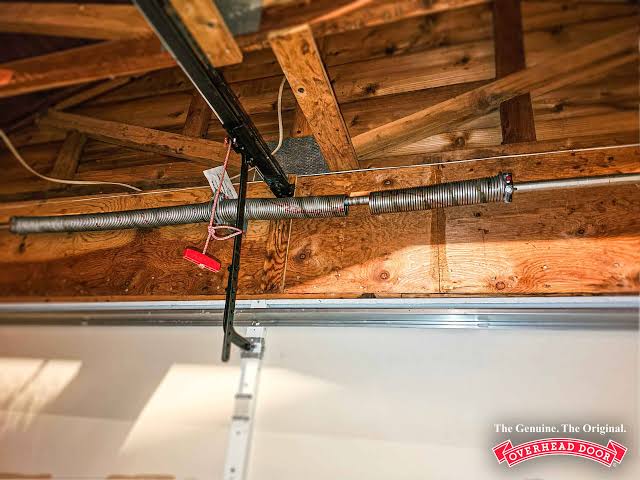
Most modern US homes use either torsion springs (mounted above the door) or extension springs (mounted on the sides). Here is a quick cost breakdown:
| Spring Type | Average Parts Cost | Average Labor Cost | Total Estimated Cost |
|---|---|---|---|
| Torsion Springs | $100 – $250 | $100 – $150 | $200 – $400 |
| Extension Springs | $50 – $100 | $75 – $125 | $125 – $225 |
| Cable Replacement | $20 – $40 | $50 – $80 | $70 – $120 |
Note: If both springs and cables need replacing simultaneously, many companies offer a bundled discount, bringing the total closer to $300.
What Factors Influence the Final Repair Bill?
Several variables can push your final bill toward the higher end of the spectrum. Understanding these factors helps you avoid unexpected charges.
1. Door Size and Weight Heavier wooden double-car doors require heavy-duty springs with a higher cycle rating. A standard 10,000-cycle spring is cheaper than a premium 25,000-cycle spring designed for heavy doors.
2. Geographic Location Labor rates vary wildly by state. Expect to pay closer to $150 for labor in major metropolitan areas like New York or San Francisco, compared to $85 in rural Midwestern towns.
3. Additional Part Replacements If the broken spring damaged the cable drums or the bottom brackets, the technician will need to replace those parts too. This adds roughly $40 to $80 to your final invoice.
DIY vs. Professional Installation: Pros and Cons
Many homeowners ask if they can save money by doing it themselves. While DIY seems cheaper upfront, it carries massive risks. According to the comprehensive overview on Wikipedia, modern overhead doors rely on a delicate, high-tension counterbalance system that can cause severe injury if mishandled.
Here is a quick comparison to help you decide:
Professional Installation
- Pros: Guaranteed safety, includes a 1-to-2-year warranty on parts and labor, takes less than an hour, ensures proper door balance.
- Cons: Higher upfront cost ($225–$500).
DIY Replacement
- Pros: Lower upfront cost ($50–$150 for parts only).
- Cons: Extremely dangerous (springs hold hundreds of pounds of torque), no warranty, high risk of damaging the opener or tracks if balanced incorrectly.
Expert Verdict: Always hire a licensed professional for torsion spring replacement. The $100 you save is simply not worth a trip to the emergency room.
Step-by-Step: What Happens During a Professional Replacement
If you are curious about what you are paying for, here is the exact step-by-step process a certified technician follows to ensure your safety.
Step 1: Secure the Door The technician disconnects the automatic opener and uses heavy-duty C-clamps on the metal tracks just below the bottom roller. This prevents the door from sliding down unexpectedly.
Step 2: Release the Tension Using two 1/2-inch solid steel winding bars, the technician carefully unloads the tension from the old spring. They do this in strict 1/4-turn increments to prevent the bar from slipping.
Step 3: Swap the Cables They detach the old 1/8-inch or 3/16-inch steel cables from the bottom corner brackets. If the cables are frayed, they are removed and discarded.
Step 4: Install and Wind the New Spring The new torsion spring is slid onto the steel rod. The technician then winds the spring using the steel bars. For a standard 7-foot tall door, they must wind the spring exactly 30 full turns. For an 8-foot door, they use 32 to 34 turns to achieve the proper lift.
Step 5: Test the Balance Finally, they pull the manual release cord and lift the door halfway. A properly balanced door will stay perfectly in place without sliding up or down.
Warning Signs Your System is Failing
Don’t wait until the door is completely stuck. Watch out for these red flags:
- A Loud Bang: If you hear a massive popping sound from the garage, a spring has just snapped.
- Frayed Cables: Look closely at the cables. If you see individual steel strands breaking or poking out, the cable is about to snap.
- Uneven Movement: If one side of the door is higher than the other when opening, your springs are losing tension unevenly.
- Gap in the Spring: If you look at a torsion spring and see a visible half-inch gap in the middle of the coils, it has already broken.
Frequently Asked Questions (FAQ)
Q1: How long do garage door springs typically last? A: The lifespan depends on the “cycle rating” of the spring. A standard spring rated for 10,000 cycles will last about 7 to 10 years for an average household. If you open and close your door four times a day, that equals roughly four cycles daily.
Q2: Can I just replace one broken spring? A: Technically yes, but professionals strongly advise against it. If one spring breaks, the other one is likely near the end of its lifespan. Replacing only one forces the new spring to overwork to compensate for the older, slightly weaker spring, leading to premature failure. Always replace them in pairs.
Q3: Is it dangerous to replace the springs myself? A: Yes, it is highly dangerous. Torsion springs store massive amounts of kinetic energy. If the winding bar slips out of the hole during the tensioning process, it can spin with enough force to break your fingers or cause severe blunt force trauma.
Q4: How often should the cables be inspected? A: You should visually inspect your cables and springs at least twice a year. Look for rust, fraying, or gaps. Applying a small amount of lithium-based white grease to the springs annually can also extend their lifespan by reducing friction.
Conclusion
Understanding how much to replace garage door springs and cables empowers you to budget correctly and avoid being overcharged by dishonest repair companies. While the average cost of $225 to $500 might seem steep, it is a small price to pay for the safety and convenience of a smoothly operating garage door. Always prioritize professional installation to protect yourself from the extreme dangers of high-tension springs.
Did you find this cost breakdown helpful? Please share this article on your social media to help your friends and neighbors avoid overpaying for their next garage door repair!
Leave a Reply