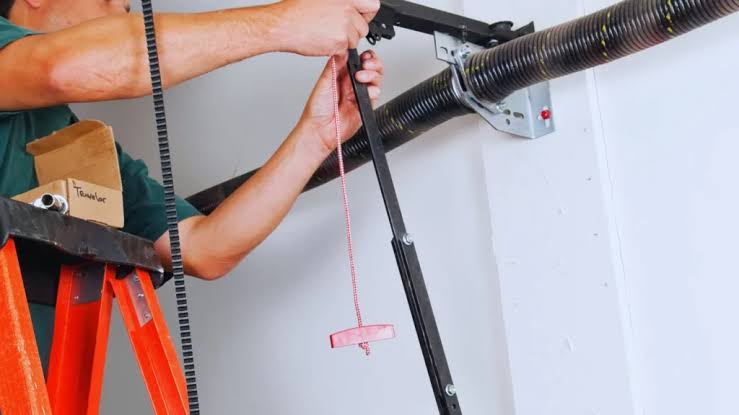
Is your garage door refusing to open, or does it make a loud bang every time you use it? You are likely dealing with a broken spring or snapped cable, which can be both dangerous and inconvenient. Understanding how much to replace garage door spring and cable is the first step toward getting your home secure and functional again without overspending.
Understanding the Costs: A Detailed Breakdown
Replacing garage door springs and cables is not a one-size-fits-all expense. The total cost depends heavily on the type of spring system your door uses, the weight of the door, and whether you hire a professional or attempt a DIY fix. Generally, homeowners in the US can expect to pay between $150 and $350 for a complete replacement of springs and cables by a licensed technician.
Torsion Springs vs. Extension Springs
The most significant factor influencing price is the type of spring installed above your garage door.
- Torsion Springs: These are mounted horizontally above the door opening. They are more durable, safer, and commonly found in modern homes. Because they require specialized tools and high-tension handling, labor costs are higher.
- Average Cost: $200–$400 per pair (including labor).
- Extension Springs: These run parallel to the horizontal tracks on both sides of the door. They are older technology, less expensive, but generally have a shorter lifespan.
- Average Cost: $100–$200 per pair (including labor).
| Component | Average Part Cost | Average Labor Cost | Total Estimated Range |
|---|---|---|---|
| Torsion Spring Pair | $50–$100 | $150–$250 | $200–$350 |
| Extension Spring Pair | $30–$60 | $80–$150 | $110–$210 |
| Cable Replacement | $15–$30 | $50–$100 | $65–$130 |
| Full System (Springs + Cables) | $70–$130 | $200–$350 | $270–$480 |
Note: Prices vary by region and service provider. Emergency after-hours calls may incur additional fees.
Why Do Garage Door Springs Break?
Garage door springs are under immense tension. A standard single-car garage door weighs around 130 pounds, while double-car doors can weigh over 400 pounds. The springs counterbalance this weight, allowing the opener to lift the door easily.
According to industry standards, most springs are rated for 10,000 cycles. One cycle equals one opening and one closing. If you use your garage door twice a day, a 10,000-cycle spring will last approximately 7–10 years. However, factors like extreme temperature fluctuations, lack of lubrication, and poor installation can significantly reduce this lifespan.
When a spring breaks, it often sounds like a gunshot. This sudden release of energy can also damage adjacent components, such as the garage door cables, which may fray or snap due to the sudden imbalance.
Signs You Need Immediate Replacement
Ignoring a worn-out spring can lead to severe damage to your garage door opener or even injury. Watch for these critical warning signs:
- Loud Bang: A sudden, loud noise from the garage area usually indicates a spring has snapped.
- Door Won’t Open: If the opener motor runs but the door doesn’t move, the springs are likely no longer providing counterbalance.
- Visible Gaps: Look at the torsion spring above the door. If you see a visible gap in the coils, it is broken.
- Crooked Door: If one side of the door hangs lower than the other, a cable may have slipped or broken.
- Slow Movement: If the door struggles to go up or slams down quickly, the springs are losing tension.
DIY vs. Professional Installation: Is It Worth the Risk?
Many homeowners ask if they can save money by replacing the springs themselves. While the parts are relatively cheap, the risks are substantial.
The Dangers of DIY Spring Replacement
Garage door torsion springs store enough kinetic energy to cause serious injury or death if handled incorrectly. The American Society of Home Inspectors strongly advises against untrained individuals attempting torsion spring repairs.
- Risk Factor: High. Incorrect winding can cause the spring to unwind violently.
- Tool Requirement: Requires specific winding bars, vice grips, and safety gear.
- Warranty Issues: Most manufacturers void warranties if non-certified personnel perform the repair.
Benefits of Hiring a Pro
- Safety: Professionals have the training and tools to handle high-tension systems safely.
- Accuracy: They ensure the correct spring weight is used for your specific door, preventing premature wear.
- Comprehensive Check: A technician will inspect rollers, hinges, and cables, identifying potential issues before they become costly problems.
Verdict: For extension springs, a handy homeowner might manage the replacement with caution. For torsion springs, always hire a professional. The cost savings are not worth the risk of personal injury.
How to Reduce Replacement Costs
While you shouldn’t cut corners on safety, there are legitimate ways to manage expenses:
- Replace Both Springs: Even if only one spring breaks, replace both. They were installed at the same time and have endured the same wear. Replacing just one puts uneven stress on the new spring.
- Get Multiple Quotes: Contact at least three local garage door companies. Ask for a detailed breakdown of parts and labor.
- Schedule Regular Maintenance: Lubricating springs and cables every six months with silicone-based lubricant can extend their life by up to 20%.
- Check Your Warranty: Some home insurance policies or extended home warranties cover mechanical failures. Review your policy before paying out of pocket.
Step-by-Step: What to Expect During Professional Service
If you decide to hire a pro, here is what the process typically looks like:
- Inspection: The technician assesses the door weight, spring type, and condition of cables and pulleys.
- Disconnection: The garage door opener is disconnected, and the door is secured in the open position using clamps.
- Tension Release: Using winding bars, the technician carefully releases the tension from the old torsion springs.
- Removal: The broken springs and worn cables are removed.
- Installation: New springs are installed and wound to the precise number of turns required for your door’s weight. New cables are threaded through the pulleys and secured.
- Testing: The door is manually operated to check balance. The opener is reconnected, and safety sensors are tested.
This entire process usually takes 1–2 hours for a standard residential door.
FAQ Section
Q1: How long do garage door springs last?
A: Standard steel springs last about 10,000 cycles (7–10 years with average use). High-cycle springs can last up to 25,000 cycles but cost more upfront.
Q2: Can I drive my car out if the spring is broken?
A: No. A broken spring makes the door extremely heavy. Forcing it open can damage the tracks, bend the door panels, or burn out the opener motor. Leave the door closed until repaired.
Q3: Why do cables break along with springs?
A: When a spring snaps, the sudden loss of tension causes the door to drop slightly, putting excessive slack and then sudden shock load on the cables. This often causes them to fray or snap at the drum.
Q4: Is it better to replace springs and cables at the same time?
A: Yes. Since the labor involves accessing the same components, replacing both ensures optimal performance and prevents future service calls. Cables are inexpensive compared to labor costs.
Q5: What is the difference between galvanized and oil-tempered springs?
A: Oil-tempered springs are stronger and more resistant to fatigue. Galvanized springs are coated to prevent rust but may not be as durable in high-use scenarios. Most professionals recommend oil-tempered for longevity.
Q6: Does homeowners insurance cover broken garage door springs?
A: Typically, no. Insurance covers sudden accidental damage (like a car hitting the door), but spring failure is considered “wear and tear,” which is a maintenance issue.
Conclusion
Knowing how much to replace garage door spring and cable empowers you to budget effectively and avoid scams. While the average cost ranges from $150 to $350, investing in professional installation ensures safety and longevity. Remember, your garage door is the largest moving object in your home—treat it with care.
If you found this guide helpful, please share it with friends or neighbors who might be struggling with a noisy or stuck garage door. Stay safe, and keep your home running smoothly!
Leave a Reply