Introduction
There is nothing quite as startling as the loud bang of a garage door spring snapping, followed by the realization that your car is trapped inside or your door is stuck halfway open. It is a stressful situation that disrupts your daily routine and raises immediate concerns about safety and budget. If you are currently facing this issue, you are likely asking yourself: how much to replace broken spring on garage door?
The cost can vary significantly depending on the type of spring, your location, and whether you choose to handle it yourself or call a professional. In this guide, we will break down the exact costs, explain the differences between spring types, and help you make the safest, most cost-effective decision for your home.
Understanding the Average Cost Breakdown
Before diving into the specifics, it is essential to understand the general price range. For most homeowners in the United States, replacing a broken garage door spring is not a minor fix, but it is also not necessarily a bankruptcy-inducing event.
On average, you can expect to pay between $150 and $350 for a professional replacement. This range typically includes both the parts and the labor. However, several factors can push this price higher or lower.
| Cost Factor | Low End Estimate | High End Estimate |
|---|---|---|
| Single Extension Spring | $100 – $150 | $200 |
| Single Torsion Spring | $150 – $250 | $300 |
| Dual Torsion Springs | $250 – $350 | $450+ |
| Emergency/After-Hours Service | +$50 – $100 surcharge | Varies |
Note: Prices may vary based on regional labor rates and the specific weight/size of your garage door.
Why Do Prices Vary So Much?
The primary driver of cost is the type of spring your door uses. There are two main types: extension springs and torsion springs. Torsion springs are generally more expensive because they are heavier-duty, last longer, and require more specialized tools and expertise to install safely.
Additionally, if you have a double-car garage with a heavy wooden door, you will likely need two torsion springs. Replacing both simultaneously is highly recommended to ensure balanced lifting power, which naturally doubles the parts cost.
Torsion Springs vs. Extension Springs: What’s the Difference?
To understand the quote you receive from a technician, you need to know what you are paying for. The mechanism of your garage door dictates the complexity of the repair.
1. Torsion Springs
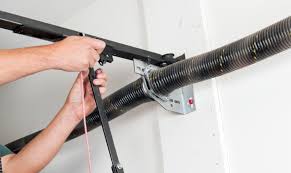
These are mounted horizontally above the closed garage door on a metal shaft. They work by twisting (torque) to lift the door.
- Lifespan: 15,000 to 20,000 cycles (approx. 7–10 years).
- Safety: Safer than extension springs because they are contained within a steel tube.
- Cost: Higher initial cost, but better long-term value due to durability.
2. Extension Springs
These are located on either side of the door, running parallel to the horizontal tracks. They stretch to provide lifting force.
- Lifespan: 10,000 cycles (approx. 5–7 years).
- Safety: More dangerous if they snap, as they can fly across the garage. They usually require a safety cable.
- Cost: Cheaper upfront, but may need replacement more often.
According to industry standards, torsion springs are the preferred choice for modern homes due to their smoother operation and longevity. If your home still has extension springs, consider upgrading to torsion during the replacement for better performance.
Is It Safe to DIY? A Critical Warning
One of the most common questions homeowners ask is whether they can save money by doing it themselves. While DIY projects are great for painting or landscaping, garage door spring replacement is widely considered one of the most dangerous home repairs.
Garage door springs are under extreme tension. A standard torsion spring can hold enough energy to lift hundreds of pounds. If a winding bar slips or a clamp fails during installation, the spring can unwind violently, potentially causing severe injury, broken bones, or even death.
Expert Insight: The Consumer Product Safety Commission (CPSC) and major garage door manufacturers strongly advise against untrained individuals attempting torsion spring replacement. The risk-to-reward ratio simply does not favor DIY for this specific task.
If you have extension springs, the risk is slightly lower but still present. However, given that professional labor for this job is often bundled efficiently, the $100–$150 you might save is rarely worth the physical risk.
For more detailed safety guidelines on garage door mechanisms, you can refer to general safety resources such as Wikipedia’s entry on Garage Doors which outlines the mechanical principles involved.
Signs Your Garage Door Spring Is About to Break
Sometimes, the spring doesn’t snap without warning. Being aware of the early signs can help you schedule a repair before you are stranded.
- Loud Noise: A sudden bang or pop is the most obvious sign, but creaking or grinding noises during operation can indicate wear.
- Door Won’t Open: If the opener motor runs but the door doesn’t move, the spring is likely broken.
- Uneven Movement: If one side of the door hangs lower than the other, a spring may be losing tension.
- Visible Gaps: Look at the torsion spring above the door. If you see a visible gap in the coils where the metal has separated, it is broken.
- Heavy Door: If you disconnect the opener and try to lift the door manually, it should feel relatively light. If it feels incredibly heavy, the springs are not assisting properly.
Step-by-Step: What Happens During a Professional Repair?
Understanding the process can help you feel more comfortable when hiring a technician. Here is what a typical professional service call looks like:
- Inspection: The technician will inspect the springs, cables, rollers, and tracks to ensure no other damage occurred when the spring snapped.
- Securing the Door: The door is clamped in place to prevent it from falling.
- Releasing Tension: Using specialized winding bars, the technician carefully releases the remaining tension from the old spring. This is the most dangerous step.
- Removal: The broken spring is removed from the torsion tube.
- Installation: The new spring is placed on the tube. It must be the exact same size and wire gauge as the original to balance the door correctly.
- Winding: The technician winds the new spring to the precise number of turns required for your door’s weight.
- Testing: The door is tested multiple times to ensure smooth, balanced operation.
Factors That Influence the Final Quote
When you call for a quote, keep these variables in mind as they will affect the final bill:
- Cycle Rating: Springs come in different cycle ratings (e.g., 10,000 vs. 25,000 cycles). Higher-cycle springs cost more but last longer.
- Geographic Location: Labor rates in urban areas like New York or San Francisco will be higher than in rural Midwest towns.
- Additional Repairs: Often, when a spring breaks, it puts stress on other components. You might need new cables, rollers, or hinges, which will add to the cost.
- Brand of Opener: While rare, some proprietary systems may require specific branded parts.
FAQ: Common Questions About Garage Door Spring Replacement
1. How long do garage door springs last?
Most standard garage door springs last between 7 to 10 years, depending on usage. If you use your garage door multiple times a day, they may wear out faster. High-cycle springs can last up to 15 years.
2. Can I replace just one torsion spring?
If your door has two torsion springs, it is highly recommended to replace both at the same time. Since they were installed at the same time, they have undergone the same amount of wear. Replacing only one leaves the other prone to breaking soon, meaning you will pay for two service calls instead of one.
3. Why is my garage door making a loud noise?
A loud bang usually indicates a broken spring. However, squeaking or grinding noises may suggest that the rollers need lubrication or the tracks are misaligned. Always have a professional inspect the source of the noise to prevent further damage.
4. Does homeowners insurance cover broken garage door springs?
Generally, no. Homeowners insurance typically covers sudden, accidental damage from external events (like a storm or vandalism). Broken springs are considered “wear and tear” or maintenance issues, which are the homeowner’s responsibility.
5. How quickly can a technician replace the spring?
A professional technician can usually complete the replacement in 30 to 60 minutes. However, scheduling the appointment may take longer depending on the company’s availability. Many companies offer same-day emergency services for an additional fee.
6. What is the difference between a 10,000-cycle and a 20,000-cycle spring?
The cycle rating refers to how many times the spring can be opened and closed before it fails. A 20,000-cycle spring is made with higher-quality steel and is wound differently to withstand more stress. While it costs more upfront, it offers better long-term value.
Conclusion
Dealing with a broken garage door spring is inconvenient, but understanding the costs and risks can help you manage the situation effectively. To answer the core question: how much to replace broken spring on garage door? You should budget between $150 and $350 for a professional, safe, and lasting repair.
While the temptation to DIY is strong, the dangers associated with high-tension springs make professional assistance the wisest choice. By choosing a reputable technician and opting for high-cycle springs, you can ensure your garage door operates smoothly and safely for years to come.
Leave a Reply