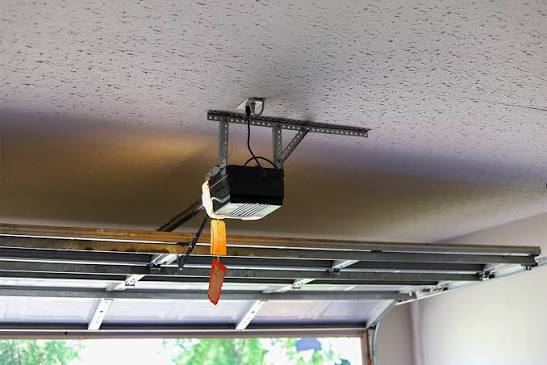
Is your current garage door opener making strange noises, struggling to lift the door, or simply refusing to work altogether? Dealing with a faulty opener is more than just an inconvenience; it is a security risk and a daily frustration that disrupts your routine. If you are wondering how much to have a new garage door opener installed, you are in the right place to find clear, transparent answers without the hidden fees.
In this guide, we will break down the real costs associated with upgrading your garage door system in 2026. We will explore the different types of openers, labor rates, and additional factors that influence the final bill, ensuring you can budget confidently for this essential home improvement project.
What Is the Average Cost of Installing a New Garage Door Opener?
When planning your budget, it is essential to look at both the hardware and the service. On average, homeowners in the United States spend between $350 and $650 for a complete garage door opener installation. This range typically includes a mid-range chain-drive or belt-drive unit and standard professional labor.
However, prices can vary significantly based on your location, the complexity of the installation, and the brand you choose. For high-end smart openers with battery backups and Wi-Fi connectivity, costs can rise to $800–$1,200. Conversely, a basic replacement of an existing unit with a similar model might cost as little as $250–$400 if no structural changes are needed.
Cost Breakdown by Component
To understand where your money goes, let’s look at the typical split between parts and labor:
| Component | Estimated Cost Range | Notes |
|---|---|---|
| Basic Opener Unit | $150 – $300 | Chain-drive, standard horsepower. |
| Mid-Range Opener | $300 – $500 | Belt-drive, quieter operation, basic smart features. |
| Premium Smart Opener | $500 – $800+ | Wi-Fi enabled, battery backup, advanced security. |
| Professional Labor | $150 – $350 | Depends on hourly rates and installation time (2–4 hours). |
| Old Unit Disposal | $20 – $50 | Some contractors include this; others charge separately. |
| Additional Hardware | $50 – $150 | New rails, sensors, or keypads if not included. |
Note: Prices are estimates for 2026 and may vary by region.
What Factors Influence the Installation Price?
Several variables can cause the final invoice to fluctuate. Understanding these factors helps you anticipate potential extra costs and avoid surprises.
1. Type of Drive System
The mechanism that moves the door along the track plays a huge role in price and performance.
- Chain-Drive: The most affordable option. It is durable but noisy, making it less ideal for garages attached to living spaces.
- Belt-Drive: Slightly more expensive but significantly quieter. Ideal for homes where the garage is near bedrooms or living areas.
- Screw-Drive: Fewer moving parts mean less maintenance, but they can be sensitive to temperature changes. Mid-range pricing.
- Direct-Drive: The motor moves along the track itself. These are premium units, often costing more due to their compact design and quiet operation.
2. Horsepower (HP) Requirements
Not all garage doors are created equal. A standard single-car door usually requires a ½ HP motor. However, if you have a heavy wooden double-door or an insulated steel door, you may need a ¾ HP or even 1 HP motor. Higher horsepower units cost more upfront but ensure longevity and smoother operation for heavier loads.
3. Smart Features and Connectivity
In 2026, smart home integration is no longer a luxury—it’s an expectation for many. Openers with Wi-Fi capabilities allow you to control your garage door via smartphone apps, receive alerts if the door is left open, and integrate with voice assistants like Alexa or Google Home. These features add $100–$200 to the unit cost but provide significant convenience and security benefits.
4. Condition of Existing Infrastructure
If your current garage door tracks, springs, or rollers are worn out, the installer may recommend replacing them simultaneously. While this increases the immediate cost, it prevents future breakdowns. Never install a new opener on damaged tracks, as it can void the warranty and create safety hazards.
DIY vs. Professional Installation: Which Is Right for You?
One of the biggest questions homeowners face is whether to save money by installing the opener themselves. Let’s weigh the pros and cons.
DIY Installation
- Pros: Saves $150–$350 in labor costs. Great for handy individuals with experience in electrical work and mechanical assembly.
- Cons: High risk of injury from tensioned springs. Potential voiding of manufacturer warranty if not installed correctly. Time-consuming (can take 6–8 hours for beginners).
Professional Installation
- Pros: Fast, efficient, and safe. Professionals ensure proper alignment, sensor calibration, and safety reverse testing. Most offer a warranty on both parts and labor.
- Cons: Higher upfront cost.
Expert Insight: According to industry standards, garage door springs are under extreme tension and can cause severe injury if mishandled. For this reason, most manufacturers and safety experts strongly recommend professional installation for anything involving spring adjustment or major structural changes.
For more detailed safety guidelines on garage door systems, you can refer to the Consumer Product Safety Commission resources, which outline critical safety standards for residential garage door openers.
Step-by-Step: What Happens During Professional Installation?
Knowing what to expect can help you prepare for the installation day. Here is a typical workflow:
- Assessment and Removal: The technician inspects the existing door balance and removes the old opener unit. They will properly dispose of the old motor and rails.
- Rail Assembly: New rails are assembled and attached to the header bracket above the door. Precision here is crucial for smooth operation.
- Motor Mounting: The new opener motor is secured to the ceiling joists using sturdy mounting brackets. Vibration isolation pads may be used to reduce noise.
- Electrical Connection: The unit is plugged into a nearby outlet. If no outlet exists, an electrician may need to be called separately, adding to the cost.
- Sensor Installation: Safety eyes (photoelectric sensors) are installed near the floor on both sides of the door. These prevent the door from closing if an object or person is in the way.
- Programming and Testing: The remote controls and wall keypad are programmed. The technician tests the force settings and the auto-reverse feature to ensure compliance with safety regulations.
Frequently Asked Questions (FAQ)
1. How long does it take to install a new garage door opener?
A professional installation typically takes 2 to 4 hours. This includes removing the old unit, assembling the new one, and testing safety features. DIY installations can take twice as long, especially for first-timers.
2. Can I use my old remote controls with a new opener?
In most cases, no. New openers use rolling code technology for security, which is incompatible with older remotes. You will need to purchase new remotes or universal compatible ones. However, some premium brands offer backward compatibility kits, so it’s worth asking your installer.
3. Do I need a permit to install a garage door opener?
Generally, no permit is required for replacing an existing garage door opener in most US jurisdictions. However, if you are installing a new electrical outlet or making structural changes to the garage ceiling, local building codes may apply. Always check with your local municipality.
4. What is the lifespan of a modern garage door opener?
With regular maintenance, a quality garage door opener lasts 10 to 15 years. Belt-drive models tend to last longer than chain-drive models due to less wear and tear. Regular lubrication of moving parts and annual safety checks can extend its life.
5. Why is my new garage door opener so loud?
If your new opener is noisy, it might be a chain-drive model, which is naturally louder. Alternatively, the rails may not be properly aligned, or the motor mounts may be loose. If you opted for a belt-drive and it’s still loud, contact the installer immediately, as this could indicate a defect or installation error.
Conclusion
Understanding how much to have a new garage door opener installed empowers you to make informed decisions without overspending. While the average cost ranges from $350 to $650, investing in a quality belt-drive or smart opener can enhance your home’s security, convenience, and value for over a decade.
Remember, the cheapest option isn’t always the best. Prioritize safety, reliability, and professional installation to avoid costly repairs down the road. If you found this guide helpful, please share it with friends or neighbors who might be facing the same dilemma. A well-functioning garage door is the gateway to a stress-free home!
Leave a Reply