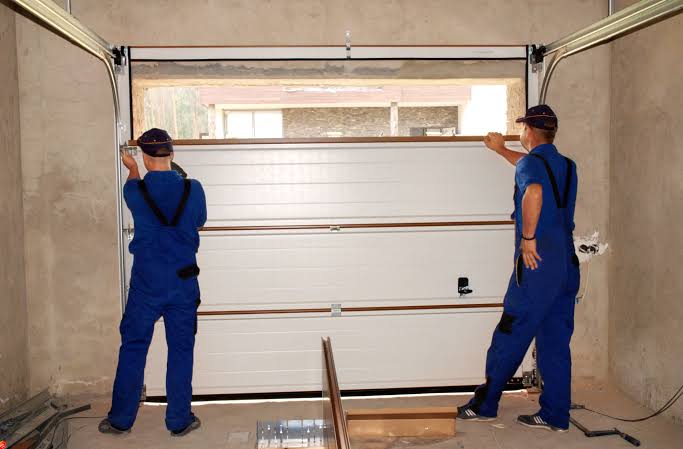
Is your current garage door noisy, dented, or simply outdated? Many homeowners struggle with the uncertainty of budgeting for this essential home upgrade. If you are wondering how much to have a new garage door installed, you are not alone; understanding the true cost involves more than just the price tag on the box.
Understanding the Average Cost Breakdown
When planning your budget, it is crucial to look beyond the base price of the door itself. The total investment typically includes the unit, hardware, labor, and potential disposal fees for the old door.
In 2026, the national average cost to install a new garage door ranges between $1,200 and $4,500. However, this figure can fluctuate significantly based on several variables. For a standard single-car steel door, you might spend closer to $1,000–$1,500. In contrast, a custom double-car wooden door with high-end insulation can easily exceed $5,000.
Labor usually accounts for about 30–50% of the total bill. Professional installers charge anywhere from $75 to $150 per hour, depending on your location and the complexity of the job. It is also wise to set aside an additional $100–$300 for unexpected structural repairs or upgraded hardware that may be necessary during the installation process.
What Factors Influence Installation Prices?
Several key elements determine the final invoice. Understanding these will help you make informed decisions and avoid surprise charges.
1. Material Type
The material you choose is the biggest cost driver. Here is a quick comparison:
- Steel: The most popular choice due to its durability and low maintenance. Prices range from $800 to $2,500.
- Aluminum: Lightweight and rust-resistant, ideal for coastal areas. Costs between $1,500 and $3,000.
- Wood: Offers classic aesthetic appeal but requires regular staining. Expect to pay $2,500 to $5,000+.
- Composite/Fiberglass: Mimics wood without the maintenance. Prices vary from $1,800 to $3,500.
2. Insulation Level
If your garage is attached to your home or used as a workspace, insulation is vital. Non-insulated doors are cheaper but offer little thermal protection. Insulated doors use polyurethane or polystyrene foam. While they cost 20–30% more upfront, they can lower energy bills and reduce noise.
3. Door Size and Style
Standard single-car doors (8×7 feet) are the most affordable. Double-car doors (16×7 feet) require more material and heavier springs, increasing the cost. Custom sizes or unique styles like carriage-house designs also command a premium.
4. Labor and Location
Urban areas with higher living costs typically have higher labor rates. Additionally, if your existing frame needs repair or reinforcement, this will add to the labor time and material costs.
DIY vs. Professional Installation: Which Is Better?
Many homeowners consider installing the door themselves to save money. However, garage door installation is one of the most dangerous DIY projects due to the high tension in the springs.
| Feature | DIY Installation | Professional Installation |
|---|---|---|
| Cost | Lower (Save on labor) | Higher (Includes labor) |
| Safety | High risk of injury | Safe and insured |
| Time | 1–2 days for beginners | 3–5 hours for pros |
| Warranty | May void manufacturer warranty | Full warranty coverage |
| Tools | Requires specialized tools | Pros bring all equipment |
While DIY might save you $300–$500, the risk of improper installation leading to future malfunctions or safety hazards is significant. Most manufacturers require professional installation to validate the warranty. For peace of mind and long-term reliability, hiring a certified technician is strongly recommended.
Step-by-Step Installation Process
If you are curious about what happens during a professional install, here is a simplified overview. Note that this is for informational purposes only.
- Preparation: The installer removes the old door and hardware. They inspect the tracks and frame for damage.
- Track Assembly: New vertical and horizontal tracks are assembled and secured to the wall and ceiling joists. Precision is key here; even a slight misalignment can cause operational issues.
- Spring Installation: Torsion springs are mounted above the door opening. Warning: These springs are under extreme tension and should only be handled by trained professionals.
- Door Panel Assembly: Panels are connected and lifted into the tracks. Rollers are inserted to ensure smooth movement.
- Opener Setup: If included, the garage door opener is mounted and programmed. Safety sensors are aligned to prevent accidents.
- Testing and Adjustment: The door is cycled multiple times to check balance and smoothness. Lubrication is applied to moving parts.
For more detailed technical specifications on garage door components, you can refer to Wikipedia’s entry on Garage Doors.
Hidden Costs to Watch Out For
Beyond the quoted price, be aware of potential hidden costs:
- Disposal Fees: Some companies charge $50–$100 to haul away your old door.
- Permits: Certain municipalities require permits for structural changes, costing $50–$200.
- Electrical Work: If you need a new outlet for the opener, an electrician may charge $150–$300.
- Painting/Finishing: If you choose a raw steel or wood door, factor in the cost of paint or stain.
How to Save Money on Your New Garage Door
You do not have to break the bank to get a quality door. Consider these strategies:
- Choose Standard Sizes: Custom sizes incur higher manufacturing and shipping costs.
- Opt for Steel: It offers the best balance of cost, durability, and aesthetics.
- Bundle Services: If you need an opener or new locks, ask for a package deal.
- Shop Off-Season: Late fall and winter often see discounts as demand decreases.
- Get Multiple Quotes: Always compare at least three estimates from licensed contractors.
Frequently Asked Questions
How long does it take to install a new garage door?
A professional team can typically complete the installation in 3 to 5 hours. This includes removing the old door, installing the new one, and testing the system. DIY installations may take a full weekend or longer.
Do I need a permit to install a new garage door?
In most cases, replacing an existing door with a similar size and type does not require a permit. However, if you are changing the size of the opening or modifying the structure, check with your local building department. Rules vary by city and county.
What is the lifespan of a new garage door?
With proper maintenance, a steel garage door can last 15–30 years. Wood doors may last 10–20 years depending on climate and upkeep. Regular lubrication and annual inspections can extend the life of your door significantly.
Should I replace the springs when I replace the door?
Yes, it is highly recommended. Springs have a finite lifecycle (usually 10,000 cycles). Installing new springs ensures balanced operation and prevents premature wear on the new door and opener.
Can I install a smart garage door opener myself?
While many smart openers are designed for DIY installation, connecting them to your existing door system still requires mechanical expertise. If you are already having a new door installed, it is best to have the professional install and configure the smart opener to ensure compatibility and safety.
Conclusion
Investing in a new garage door enhances your home’s curb appeal, security, and energy efficiency. Knowing how much to have a new garage door installed allows you to budget effectively and avoid surprises. By choosing the right material, hiring a qualified professional, and being aware of hidden costs, you can enjoy a smooth installation process.
Don’t let an old, malfunctioning door compromise your home’s safety. Share this guide with friends or family who might be considering a similar upgrade, and start enjoying the benefits of a modern, reliable garage door today!
Leave a Reply