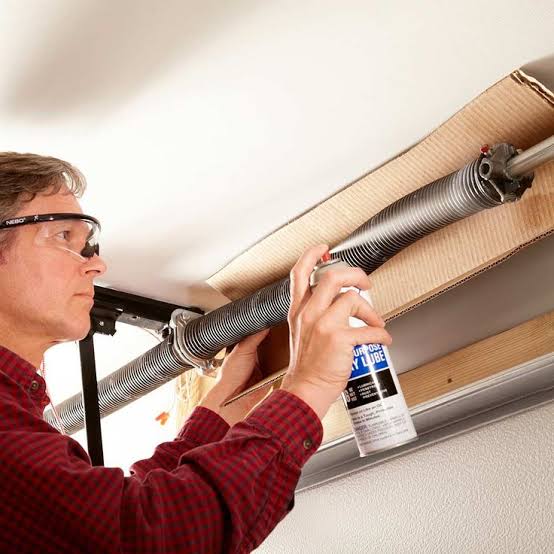
Is your garage door suddenly heavy, noisy, or refusing to open? You’re not alone—broken springs are one of the most common garage door issues homeowners face. If you’re wondering how much is it to replace springs on garage door, you’ve come to the right place. This guide breaks down real 2026 costs, safety considerations, and whether you should tackle this job yourself or call a professional.
Understanding Garage Door Spring Types and Costs
Before diving into prices, it’s crucial to understand that not all garage door springs are created equal. The type of spring your door uses significantly impacts both the replacement cost and complexity of the job.
Torsion Springs vs. Extension Springs
Garage doors typically use one of two spring systems:
Torsion Springs:
- Mounted horizontally above the garage door opening
- More durable and safer than extension springs
- Typically last 15,000–20,000 cycles (about 7–10 years)
- Cost more but provide better balance and longevity
Extension Springs:
- Run parallel to the horizontal tracks on both sides
- Less expensive initially but wear out faster
- Usually last 10,000 cycles (about 5–7 years)
- Require safety cables to prevent dangerous snapping
According to industry data, approximately 70% of modern residential garage doors use torsion spring systems due to their superior performance and safety profile.
How Much Does It Cost to Replace Garage Door Springs in 2026?
The answer to “how much is it to replace springs on garage door” varies based on several factors. Here’s a comprehensive breakdown:
Average Replacement Costs by Spring Type
| Spring Type | Parts Only | Professional Installation | Total Average Cost |
|---|---|---|---|
| Torsion Spring (single) | $40–$100 | $150–$350 | $190–$450 |
| Torsion Spring (pair) | $80–$200 | $250–$500 | $330–$700 |
| Extension Spring (pair) | $30–$80 | $120–$250 | $150–$330 |
Note: Prices vary by region, door weight, and spring quality.
Factors That Affect Replacement Costs
Several variables influence your final bill:
1. Geographic Location Labor rates differ significantly across the United States. Urban areas like New York City or San Francisco typically charge 20–40% more than rural areas due to higher overhead costs.
2. Door Weight and Size Heavier doors (double-car or insulated models) require stronger, more expensive springs. A standard single-car door might need springs rated for 150–200 pounds, while a double-car insulated door could require 300–400 pound capacity.
3. Spring Quality and Warranty Premium springs with longer warranties (5–7 years) cost more upfront but provide better value over time. Budget springs may save $20–$40 initially but often fail within 2–3 years.
4. Emergency Service Fees Need same-day or weekend service? Expect to pay an additional $50–$150 in emergency fees. Planning ahead can save you significant money.
5. Additional Repairs If technicians discover worn rollers, damaged cables, or misaligned tracks during inspection, these repairs will add to your total cost. Most professionals recommend addressing these issues simultaneously to avoid future service calls.
DIY vs. Professional Replacement: Is It Worth the Risk?
This is perhaps the most critical decision you’ll face. Let’s examine both options objectively.
Why Professionals Are Recommended
Safety First: Garage door springs operate under extreme tension—up to 200+ pounds of force. According to the Consumer Product Safety Commission, improper spring handling causes thousands of injuries annually, including serious lacerations, broken bones, and even fatalities.
For detailed safety information about garage door components, visit Wikipedia’s garage door opener article, which provides technical background on these systems.
Professional Advantages:
- Proper tools (winding bars, vice grips, safety equipment)
- Correct spring calibration for your specific door
- Liability insurance coverage
- Warranty on both parts and labor
- Time efficiency (30–60 minutes vs. 3–4 hours for DIY)
Typical Professional Cost: $250–$500 for torsion springs, including warranty
DIY Replacement: When It Might Make Sense
If you’re mechanically inclined and have experience with high-tension systems, DIY could save money. However, consider these realities:
DIY Costs:
- Spring pair: $80–$200
- Tools (if you don’t own them): $50–$100
- Your time: 3–4 hours
- Total savings: Approximately $150–$300
Critical DIY Requirements:
- Two sturdy winding bars (never use screwdrivers)
- Assistant to help stabilize the door
- Safety glasses and heavy gloves
- Detailed knowledge of your specific spring system
- Understanding of proper tension calculation
Warning: If you’ve never replaced garage door springs before, strongly consider hiring a professional. The risk-to-reward ratio rarely favors DIY for beginners.
Signs Your Garage Door Springs Need Replacement
Recognizing early warning signs can prevent complete failure and potential damage to your door or vehicle. Watch for these indicators:
- Door feels unusually heavy when lifting manually
- Loud banging or snapping noise from the garage
- Door opens only partially or reverses unexpectedly
- Visible gaps in torsion springs or stretched extension springs
- Cables appear loose or disconnected
- Spring has visible rust or corrosion
Most springs fail between 7–10 years with regular use. If your springs are approaching this age, consider proactive replacement rather than waiting for failure.
How to Choose a Reputable Garage Door Repair Company
Not all service providers are equal. Follow these steps to find a trustworthy professional:
- Check licenses and insurance: Verify they’re licensed in your state and carry liability insurance
- Read recent reviews: Focus on Google Reviews and BBB ratings from the past 6 months
- Request written estimates: Get at least three quotes to compare pricing
- Ask about warranties: Reputable companies offer 1–3 year warranties on parts and labor
- Confirm response time: Ensure they can accommodate your schedule
Avoid companies that refuse to provide written estimates or pressure you into immediate decisions without proper inspection.
Frequently Asked Questions
Q: How long do garage door springs typically last?
A: Torsion springs generally last 15,000–20,000 cycles (approximately 7–10 years with normal use), while extension springs last about 10,000 cycles (5–7 years). One cycle equals one complete open-and-close sequence. Heavy daily use, extreme temperatures, and lack of maintenance can shorten lifespan.
Q: Can I replace just one spring, or do I need to replace both?
A: Always replace both springs as a pair, even if only one appears broken. Springs wear evenly, so if one fails, the other is likely near failure too. Replacing only one creates imbalance, causing premature wear on the new spring and potentially damaging your garage door opener.
Q: Is it dangerous to replace garage door springs myself?
A: Yes, garage door spring replacement is considered one of the more dangerous home repairs. Springs store enormous kinetic energy that can cause severe injury if released improperly. The International Door Association strongly recommends professional installation unless you have specific training and proper tools.
Q: What’s the difference between standard and high-cycle springs?
A: Standard springs are rated for 10,000–15,000 cycles, while high-cycle springs handle 25,000–50,000 cycles. High-cycle springs cost 30–50% more but last 2–3 times longer, making them ideal for households that use the garage door frequently (4+ times daily).
Q: Will my homeowner’s insurance cover broken garage door springs?
A: Typically, no. Insurance considers spring failure normal wear and tear, which isn’t covered under standard policies. However, if spring failure causes secondary damage (like a door falling on your car), that damage might be covered. Check with your insurance provider for specific policy details.
Q: How quickly can a professional replace garage door springs?
A: An experienced technician can replace torsion springs in 30–60 minutes and extension springs in 20–40 minutes. This includes testing and adjusting tension. Same-day service is commonly available, though emergency after-hours calls may incur additional fees.
Conclusion: Making the Smart Investment in Your Garage Door
Understanding how much is it to replace springs on garage door empowers you to make informed decisions. While DIY might seem appealing for cost savings, the safety risks and potential for costly mistakes often make professional installation the wiser choice.
Expect to invest $250–$500 for professional torsion spring replacement—a small price for peace of mind, proper calibration, and warranty protection. Remember, your garage door is the largest moving object in your home; treating it with respect ensures years of reliable service.
Ready to share this guide? Help friends and family avoid costly garage door mistakes by sharing this article on Facebook, Twitter, or Pinterest. Your network will thank you when their garage doors keep running smoothly!
Have questions about your specific garage door situation? Drop a comment below—we’re here to help!
Leave a Reply