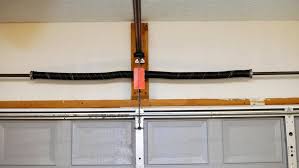
Is your garage door stuck halfway or making loud banging noises? You are likely dealing with a broken spring, one of the most critical components of your garage system. Many homeowners immediately ask, “How much is it to replace garage door spring?” because they need a quick solution to restore security and convenience to their daily routine.
Replacing a garage door spring is not just a matter of convenience; it is a significant safety issue. A failed spring can cause the heavy door to crash down, potentially damaging vehicles or injuring family members. In this comprehensive guide, we will break down the exact costs, explain the difference between spring types, and help you decide whether to tackle this repair yourself or call a professional.
Understanding the Costs: What Determines the Price?
The cost to replace a garage door spring varies significantly based on several factors. On average, homeowners in the US can expect to pay between $150 and $350 for a single spring replacement, including labor. However, this price can fluctuate based on your location, the type of spring, and the complexity of the installation.
Breakdown of Average Costs
| Item | Low-End Cost | High-End Cost |
|---|---|---|
| Single Extension Spring | $80 – $120 | $150 – $200 |
| Single Torsion Spring | $150 – $250 | $300 – $400 |
| Pair of Torsion Springs | $250 – $350 | $400 – $600 |
| Labor Only (if parts provided) | $50 – $100 | $150 – $200 |
Note: Prices include standard residential doors. Heavy wooden or custom doors may incur higher fees.
The primary driver of cost is the type of spring your door uses. Most modern homes use torsion springs, which are mounted above the door opening. Older homes often have extension springs, which run along the horizontal tracks. Torsion springs are generally more expensive but last longer and provide smoother operation.
Torsion Springs vs. Extension Springs: Which Do You Have?
Identifying your spring type is the first step in getting an accurate quote. Here is how to tell them apart and why it matters for your wallet.
Torsion Springs
These are tightly wound coils located on a metal bar above the garage door header. They work by twisting (torque) to lift the door.
- Lifespan: Typically 15,000 to 20,000 cycles (approx. 7–10 years).
- Safety: Safer than extension springs because they are contained within a steel shaft.
- Cost: Higher initial cost due to complex installation requirements.
Extension Springs
These springs stretch and contract along the side tracks of the garage door. They usually have a safety cable running through them.
- Lifespan: Typically 10,000 cycles (approx. 5–7 years).
- Safety: Higher risk if they snap, as they can fly across the garage. Safety cables are mandatory.
- Cost: Generally cheaper to replace but may require more frequent maintenance.
According to industry standards, if you have a two-car garage or a heavy door, you likely have a dual-torsion spring system. Replacing both springs at once is highly recommended, even if only one is broken, to ensure balanced lifting and prevent immediate future failure.
Why Professional Installation Is Worth the Cost
While the temptation to save money by doing it yourself is strong, garage door springs are under extreme tension. A standard torsion spring can hold enough energy to lift hundreds of pounds. If mishandled, this energy can release violently, causing severe injury or death.
Professional technicians bring more than just muscle to the job. They possess specialized tools, such as winding bars and clamp sets, designed to safely manage the tension. Furthermore, a pro will inspect other critical components like cables, rollers, and hinges during the service. This holistic approach prevents secondary failures that often occur after a spring swap.
For detailed technical specifications on spring mechanics and safety standards, you can refer to Wikipedia’s entry on Garage Door Openers, which provides historical context and engineering basics.
DIY vs. Hiring a Pro: A Cost-Benefit Analysis
If you are mechanically inclined, you might consider a DIY approach. However, let’s look at the real numbers.
DIY Replacement
- Cost: $50–$100 for parts only.
- Time: 2–4 hours for a beginner.
- Risk: High. Requires precise measurement of wire size, length, and wind direction. One mistake can damage the door or cause injury.
- Warranty: None. If it breaks again, you pay again.
Professional Replacement
- Cost: $150–$350 total.
- Time: 30–60 minutes.
- Risk: Minimal. Technicians are insured and trained.
- Warranty: Typically 1–5 years on parts and labor.
Verdict: For most homeowners, the peace of mind and warranty offered by a professional far outweigh the $100–$200 savings of DIY. The risk of improper installation leading to premature failure or accident is simply too high.
Signs Your Garage Door Spring Needs Replacement
Don’t wait for the spring to snap completely. Watch for these early warning signs:
- Loud Bang: A sound like a gunshot indicates a spring has broken.
- Door Won’t Open: The opener motor runs, but the door stays put or only opens a few inches.
- Gap in the Spring: Look at the torsion spring above the door. A visible gap in the coils means it is broken.
- Uneven Movement: The door jerks or tilts to one side as it moves.
- Cables Are Loose: If the lifting cables appear slack, the spring is no longer providing counterbalance.
Step-by-Step: What Happens During a Professional Repair?
Understanding the process can help you feel more comfortable hiring a technician. Here is what typically happens:
- Inspection: The tech assesses the door weight, spring type, and condition of cables/rollers.
- Disconnection: The garage door opener is disconnected, and the door is secured in the open position using clamps.
- Tension Release: Using winding bars, the technician carefully releases the tension from the old spring. This is the most dangerous step.
- Removal: The broken spring is removed from the torsion tube.
- Installation: The new spring is slid onto the tube and secured with set screws.
- Winding: The technician winds the new spring to the correct number of turns based on the door’s height and weight.
- Testing: The door is tested for balance. It should stay in place when lifted halfway manually.
FAQ: Common Questions About Garage Door Spring Replacement
1. How long do garage door springs last?
Most torsion springs are rated for 10,000 to 20,000 cycles. One cycle is one open and one close. For an average family, this translates to 7 to 10 years of service. Extension springs typically last 5 to 7 years.
2. Can I replace just one spring if I have two?
It is strongly advised to replace both springs if your door has a dual-spring system. Since they were installed at the same time, the second spring is likely near the end of its life. Replacing only one puts uneven stress on the new spring and the door opener.
3. Is it safe to use my garage door if the spring is broken?
No. Do not attempt to open or close the door. Without the spring’s counterbalance, the full weight of the door rests on the opener motor and cables. This can strip the gears in your opener or cause the cables to snap, leading to a dangerous collapse.
4. Why is the quote so different from company to company?
Prices vary based on overhead, insurance, and the quality of parts used. Some companies use cheap, imported springs with lower cycle counts, while others use high-grade American-made springs. Always ask about the cycle rating of the spring being installed.
5. Does homeowners insurance cover broken garage door springs?
Generally, no. Spring failure is considered wear and tear, which is excluded from most standard policies. However, if the spring broke due to a covered event like a storm or vandalism, it might be covered. Check with your provider.
Conclusion
Knowing how much is it to replace garage door spring helps you budget effectively and avoid scams. With average costs ranging from $150 to $350, professional replacement offers the best balance of safety, longevity, and convenience. Remember, a garage door is the largest moving object in your home, and its springs are under immense pressure.
Don’t gamble with DIY repairs unless you have specific training and tools. Invest in a qualified technician who can ensure your door operates smoothly and safely for years to come. If you found this guide helpful, please share it with your neighbors on social media—someone else might be struggling with a stuck garage door right now!
Leave a Reply