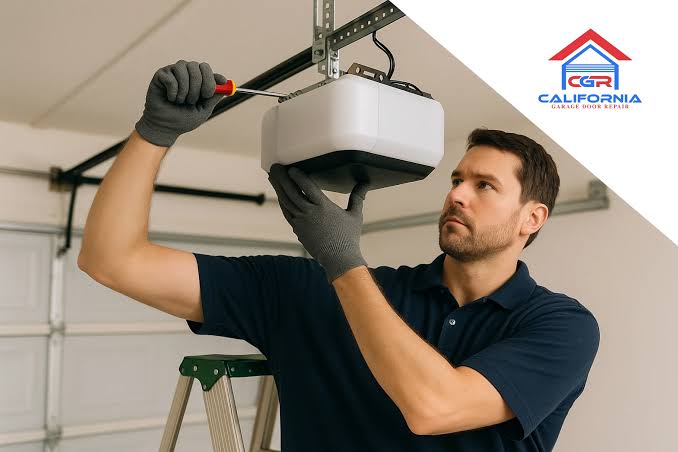
Your garage door is stuck again, and the old motor is making a terrible grinding noise, leaving you stressed about the unexpected repair bill. If you are wondering how much is it to replace a garage door motor, you are not alone, as this is one of the most common home maintenance headaches. Let’s break down the exact costs so you can get your door running smoothly without breaking the bank.
How Much Is It To Replace A Garage Door Motor Overall?
When budgeting for this project, you need to consider both the price of the new unit and the labor required to install it. On average, homeowners in the US spend between $350 and $650 for a complete garage door motor replacement.
However, the final price heavily depends on the type of drive system you choose. Here is a detailed cost breakdown based on current 2026 industry data:
| Motor Drive Type | Part Cost | Average Labor Cost | Total Estimated Cost |
|---|---|---|---|
| Chain Drive | $150 – $250 | $100 – $150 | $250 – $400 |
| Belt Drive | $200 – $300 | $100 – $150 | $300 – $450 |
| Screw Drive | $180 – $280 | $100 – $150 | $280 – $430 |
| Jackshaft (Side) | $300 – $500 | $150 – $250 | $450 – $750 |
Chain drives are the most affordable but also the noisiest, making them ideal for detached garages. Belt drives use a rubber belt instead of a metal chain, offering whisper-quiet operation, which is perfect if your garage is located directly beneath a bedroom.
What Factors Affect the Garage Door Motor Replacement Cost?
Several variables can push your final bill higher or lower. Understanding these factors will help you avoid unexpected charges from your contractor.
1. Horsepower (HP) Requirements
The physical weight and size of your door dictate the motor size needed. A standard single-car aluminum door only requires a 1/2 HP motor. However, if you have a heavy, insulated two-car door or a solid wood door, you will need at least a 3/4 HP or 1.25 HP motor. Upgrading the horsepower typically adds $50 to $100 to the part cost.
2. Smart Features and Add-ons
Modern garage door openers come packed with advanced technology. Adding built-in Wi-Fi, battery backups, or integrated cameras will increase the price. A battery backup alone can add $100 to $200 to your total, but it is a worthwhile investment to ensure you can still open your door during a power outage.
3. Structural Modifications
If your new motor requires a different mounting style (like switching from a standard trolley to a jackshaft side-mount), the technician may need to install new reinforcement struts or brackets. This extra hardware and labor can add $150 to your final invoice.
How Do You Know It Is Time to Replace the Motor?
Before you open your wallet, ensure the motor is actually the problem. Sometimes, a simple sensor realignment or a broken spring is the real culprit. Look for these definitive signs that the motor is dead:
- The motor hums but the door doesn’t move: This usually means the internal gears are stripped.
- Extreme noise and vibration: If lubricating the chain and rollers doesn’t stop the grinding, the motor’s internal components are failing.
- Inconsistent operation: The door reverses for no reason or only works when you hold the wall button.
- Age: Most motors have a lifespan of 10 to 15 years (or roughly 10,000 open/close cycles). If yours is older, replacement is more cost-effective than repair.
DIY vs. Professional Installation: Which is Better?
Deciding whether to install the motor yourself or hire a pro is a major choice. Here is a quick comparison to help you decide.
Pros and Cons of DIY Installation
- Pros: You save $100 to $200 on labor costs; you can work on your own schedule.
- Cons: It takes 3 to 5 hours for a beginner; improper installation can void the manufacturer’s warranty; there is a risk of personal injury.
Pros and Cons of Professional Installation
- Pros: The job is done safely in 1 to 2 hours; labor is usually guaranteed; the manufacturer warranty remains fully intact.
- Cons: Higher upfront cost; you must schedule an appointment.
Step-by-Step Guide for DIY Replacement
If you are handy and decide to tackle this yourself, follow these concrete steps to ensure a safe installation:
- Cut the power: Go to your main electrical panel and turn off the breaker supplying the garage. Pull the red emergency release cord to disconnect the door from the motor carriage.
- Support the old unit: Use a sturdy step ladder and have a helper support the old motor, which typically weighs between 25 and 30 lbs.
- Remove the old motor: Use a 3/8-inch socket wrench to unscrew the mounting brackets from the ceiling joist. Disconnect the wiring harness and unbolt the rail from the header bracket above the door.
- Assemble the new rail: Follow the manufacturer’s manual to connect the new rail sections. Apply a thin layer of white lithium grease to the screw drive or chain if it isn’t pre-lubricated.
- Mount the new motor: Attach the motor to the rail. With your helper’s assistance, lift the unit and secure it to the ceiling brackets using the provided 5/16-inch lag screws. Ensure it is perfectly level using a 24-inch bubble level.
- Wire and test: Connect the power wires (usually black to black, white to white) using wire nuts. Attach the safety sensor wires. Plug the unit in and use the up/down limit dials to set the exact open and close travel distances.
How to Save Money on Your Garage Door Motor Replacement
You do not have to overspend to get a reliable system. Here are a few expert tips to keep your costs down:
- Reuse your existing rails: If you are buying the exact same brand and model, you can often detach the new motor head and attach it to your old rail. This saves you about $30 to $50.
- Choose the right drive type: Do not pay extra for a quiet belt drive if your garage is detached and far from your bedroom. A standard chain drive will save you money.
- Get multiple quotes: Always call at least three local garage door repair companies. Prices can vary by up to 30% between different providers in the same city.
Frequently Asked Questions (FAQ)
How long does a garage door motor typically last?
A standard residential garage door motor lasts between 10 to 15 years, which equates to roughly 10,000 opening and closing cycles. If you use your door multiple times a day, it may reach the end of its lifespan closer to the 10-year mark.
Is it cheaper to repair or replace a garage door motor?
As a general industry rule, if the cost of the repair exceeds 50% of the price of a new unit, you should replace it. For example, if a new motor costs $400 and the repair requires a $250 circuit board replacement, it is much smarter to invest in a brand-new system with a fresh warranty.
Can I replace just the motor and keep the old rails?
Yes, but only if the new motor is the exact same brand and model as the old one. Different brands use different rail profiles and mounting mechanisms. If you are switching brands (e.g., from Chamberlain to LiftMaster), you must replace the entire kit, including the rails.
What size motor do I need for a heavy wooden garage door?
For a heavy, single-piece wooden door or a large sectional wood door, you need a minimum of a 3/4 HP motor. If the door is exceptionally wide (16 feet or more) or heavily insulated, upgrading to a 1.25 HP motor is highly recommended to prevent premature wear and tear on the system.
Conclusion
Understanding how much is it to replace a garage door motor empowers you to make a smart, budget-friendly decision for your home. Whether you choose a budget-friendly chain drive or a whisper-quiet belt drive, replacing a failing motor restores your daily convenience and boosts your home’s security. By weighing the costs of DIY versus professional installation, you can choose the path that best fits your skills and wallet.
Did you find this cost breakdown helpful? Please share this article on your social media to help your friends and neighbors avoid overpaying for their garage door repairs!
Leave a Reply