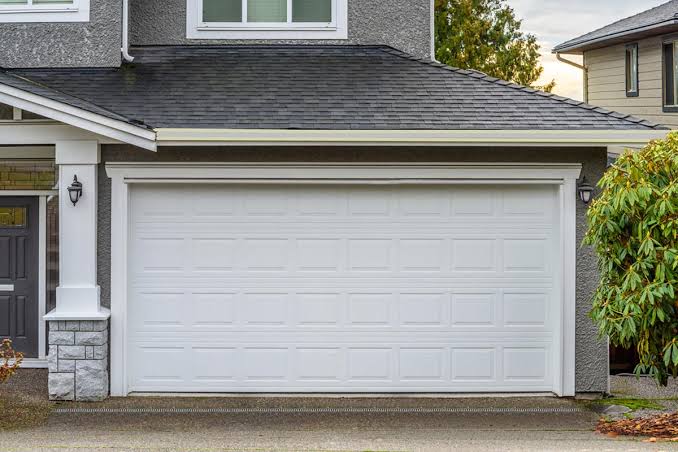
Replacing an old, noisy, or damaged garage door is one of those home improvement projects that can significantly boost your curb appeal and security. However, budgeting for this upgrade often feels confusing due to the wide range of options available. If you are asking yourself, “How much is it to get a new garage door,” you are not alone. This guide breaks down every cost factor to help you make an informed decision without breaking the bank.
Understanding the Average Cost Range
When planning your budget, it is essential to understand that there is no single fixed price for a new garage door. The total cost depends heavily on the material, style, size, and whether you are replacing just the door or the entire system including tracks and openers.
In the United States, the national average cost for a new standard-sized, single-car garage door ranges from $800 to $1,500, including professional installation. For a double-car garage door, expect to pay between $1,200 and $2,500. High-end custom doors or those made from premium materials like wood or insulated steel can easily exceed $4,000 to $10,000.
According to industry reports, labor typically accounts for about 30% to 50% of the total project cost. This means that while you might find a cheap door online, the professional installation required to ensure safety and proper function will still be a significant portion of your expense.
What Factors Influence the Price of a New Garage Door?
Several key variables determine the final invoice. Understanding these will help you prioritize what matters most for your home and budget.
1. Material Type
The material is the biggest driver of cost. Here is a quick comparison of common materials:
- Steel: The most popular choice due to its durability and affordability. Prices range from $800 to $2,500. Steel doors are low-maintenance and come in various styles.
- Aluminum: Lightweight and resistant to rust, making it ideal for coastal areas. Costs range from $1,500 to $3,500. However, aluminum dents more easily than steel.
- Wood: Offers a classic, high-end look but requires regular maintenance (staining or painting). Prices start at $2,000 and can go up to $10,000+ for custom designs.
- Fiberglass/Composite: Mimics the look of wood without the maintenance. These are durable but can be brittle in cold climates. Expect to pay $1,200 to $3,000.
2. Insulation Level
Insulation is crucial for energy efficiency, especially if your garage is attached to your home or used as a workspace.
- Non-Insulated: Cheapest option, suitable for detached garages.
- Single-Layer Insulation: Provides basic noise reduction and moderate temperature control.
- Double-Layer/Polyurethane Insulation: Offers superior thermal performance (higher R-value) and sound dampening. This can add $200 to $500 to the cost but may save you money on heating and cooling bills in the long run.
3. Style and Design
Standard raised-panel doors are the most affordable. If you opt for custom windows, decorative hardware, or carriage-house styles, the price will increase. Custom colors or finishes also add to the cost.
4. Size and Configuration
A standard single-car door is usually 8×7 feet or 9×7 feet. Double-car doors are typically 16×7 feet. Non-standard sizes, such as extra-wide or tall doors for RVs, require custom manufacturing and will cost significantly more.
Installation Costs: DIY vs. Professional
One of the most critical decisions is whether to install the door yourself or hire a professional. While DIY might seem like a way to save money, garage doors are heavy and under high tension, making them potentially dangerous to handle without proper training.
Professional Installation
Hiring a licensed technician ensures the job is done safely and correctly. Most reputable companies offer warranties on both parts and labor.
- Average Labor Cost: $300 to $800 depending on complexity.
- Benefits: Proper alignment, safety sensor calibration, and disposal of the old door.
DIY Installation
If you are experienced with home repairs, you might save on labor costs. However, you must rent or buy specialized tools and spend considerable time learning the process.
- Risk: Incorrect installation can lead to premature wear, safety hazards, or voided warranties.
- Recommendation: For most homeowners, professional installation is worth the investment for peace of mind and longevity.
For more detailed information on garage door components and safety standards, you can refer to Wikipedia’s entry on Garage Doors, which provides a comprehensive overview of historical and technical aspects.
Additional Costs to Consider
Beyond the door and installation, there are several ancillary costs that often catch homeowners by surprise.
| Item | Estimated Cost | Notes |
|---|---|---|
| Garage Door Opener | $150 – $500 | Chain-drive is cheaper; belt-drive is quieter. |
| Removal of Old Door | $50 – $100 | Some companies include this in the installation fee. |
| New Tracks/Hardware | $100 – $300 | Recommended if old tracks are bent or rusty. |
| Permits | $50 – $200 | Required in some municipalities for structural changes. |
| Maintenance Kit | $20 – $50 | Lubricant and cleaning supplies for ongoing care. |
How to Save Money on Your New Garage Door
Getting a new garage door doesn’t have to drain your savings. Here are proven strategies to reduce costs:
- Choose Standard Sizes: Stick to standard dimensions to avoid custom manufacturing fees.
- Opt for Steel: Steel offers the best balance of cost, durability, and aesthetics.
- Bundle Services: If you need a new opener or spring repair, ask for a package deal. Many companies offer discounts when multiple services are performed simultaneously.
- Shop Around: Get at least three quotes from local, reputable installers. Check reviews on platforms like Google and Yelp to ensure quality service.
- Time Your Purchase: Some companies offer promotions during slower seasons, such as late fall or winter.
FAQ Section
Q1: How long does it take to install a new garage door?
A typical professional installation takes between 3 to 6 hours for a standard door. If additional work is needed, such as replacing tracks or adjusting the frame, it may take longer.
Q2: Should I replace my garage door opener when I get a new door?
It is highly recommended. Older openers may not be compatible with new safety features or may lack the power to lift a heavier, insulated door. Upgrading ensures optimal performance and security.
Q3: What is the lifespan of a new garage door?
With proper maintenance, a steel garage door can last 15 to 30 years. Wood doors may have a shorter lifespan due to weather exposure and maintenance requirements. Regular lubrication and inspection can extend the life of any door.
Q4: Does a new garage door increase home value?
Yes. According to real estate experts, replacing a garage door is one of the top home improvement projects for return on investment (ROI). It can recoup up to 90% of its cost in added home value by improving curb appeal.
Q5: Can I paint my new garage door?
Most steel and fiberglass doors come pre-painted or with a factory finish that is durable and long-lasting. Painting is possible but may void the warranty. If you want a specific color, it is better to order the door in that color from the manufacturer.
Q6: What maintenance is required for a new garage door?
Minimal maintenance is needed. Lubricate moving parts (rollers, hinges, springs) every six months, check the balance of the door annually, and keep the tracks clean. Avoid using harsh chemicals on the door surface.
Conclusion
So, how much is it to get a new garage door? For most US homeowners, the answer lies between $1,200 and $2,500 for a complete, professionally installed system. By choosing the right material, considering insulation needs, and hiring a reputable installer, you can enhance your home’s security, energy efficiency, and aesthetic appeal.
Remember, a garage door is a long-term investment. Prioritize quality and safety over the lowest price tag. If you found this guide helpful, please share it with friends or family who are considering a similar home upgrade. Your next step? Get those quotes and start enjoying a smoother, quieter, and more secure garage experience!
Leave a Reply