Have you ever woken up to the loud bang of a broken garage door spring, leaving your car trapped inside? It is a frustrating and potentially dangerous situation that many homeowners face. If you are wondering how much is it to fix a garage door spring, you are not alone. This guide breaks down the current costs, safety considerations, and what you can expect from professional repairs in 2026.
Understanding the Costs: Torsion vs. Extension Springs
Before diving into the exact dollar amounts, it is crucial to understand that not all garage door springs are created equal. The type of spring your door uses significantly impacts the repair cost. Generally, there are two main types: torsion springs and extension springs.
Torsion Springs
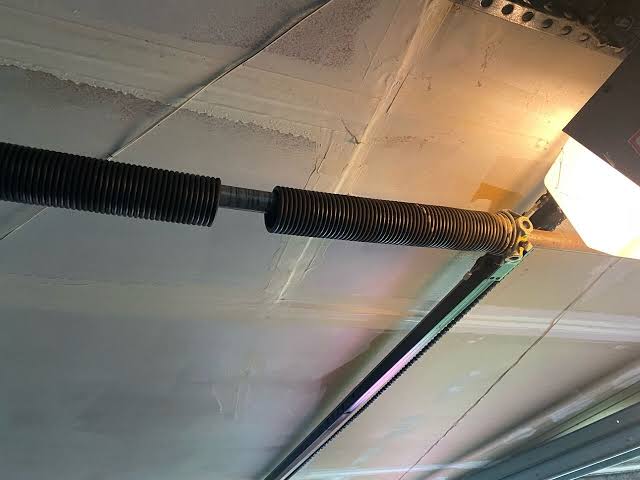
Torsion springs are mounted horizontally above the garage door opening. They are more common in modern homes because they offer smoother operation and last longer. However, they are under immense tension and are more complex to replace.
- Average Replacement Cost: $150 – $350 per spring.
- Labor Intensity: High. Requires specialized tools and expertise.
- Lifespan: Typically 15,000–20,000 cycles (approx. 7–10 years).
Extension Springs
Extension springs are located on either side of the door, running parallel to the horizontal tracks. They stretch and contract to lift the door. While cheaper to replace, they are generally less durable and can be hazardous if they snap without a safety cable.
- Average Replacement Cost: $80 – $150 per spring.
- Labor Intensity: Moderate. Easier to access but still dangerous.
- Lifespan: Typically 10,000 cycles (approx. 5–7 years).
Pro Tip: Most professionals recommend replacing torsion springs in pairs. Even if only one breaks, the other is likely near the end of its life cycle. Replacing both ensures balanced lifting and prevents another breakdown shortly after.
Breakdown of Repair Costs in 2026
So, how much is it to fix a garage door spring when you factor in all variables? The total bill usually consists of parts, labor, and potential service fees. Here is a realistic breakdown based on current market rates across the United States.
| Cost Component | Average Price Range | Notes |
|---|---|---|
| Single Torsion Spring | $150 – $250 | Includes standard duty springs. |
| Pair of Torsion Springs | $250 – $450 | Recommended for balanced operation. |
| Single Extension Spring | $80 – $120 | Often sold in pairs anyway. |
| Labor Costs | $50 – $100 per hour | Most jobs take 1–2 hours. |
| Service Call Fee | $50 – $80 | May be waived if you proceed with repair. |
| Emergency/After-Hours | +$100 – $150 | For nights, weekends, or holidays. |
Factors Influencing the Final Price
- Spring Weight and Size: Heavier doors (like double-car garages or insulated wood doors) require heavier-gauge springs, which cost more.
- Cycle Rating: Springs are rated by “cycles” (one open and close = one cycle). A 10,000-cycle spring is cheaper than a 25,000-cycle spring. Investing in higher-cycle springs can save money long-term.
- Geographic Location: Labor rates vary significantly. Expect to pay more in major metropolitan areas like New York or San Francisco compared to rural regions.
- Additional Repairs: If the broken spring damaged cables, rollers, or the opener, these will add to the total cost.
Why You Should Hire a Professional
You might be tempted to save money by attempting a DIY repair, but fixing garage door springs is widely considered one of the most dangerous home maintenance tasks. The tension stored in a torsion spring is enough to cause severe injury or even death if handled incorrectly.
According to safety guidelines, garage door springs operate under extreme pressure—often equivalent to hundreds of pounds of force. When a spring breaks, it releases this energy explosively. Professionals use winding bars and clamps specifically designed to manage this tension safely.
For a deeper understanding of the mechanical risks and safety standards, you can refer to general safety information on garage door mechanisms.
Benefits of Professional Installation
- Safety: Technicians are trained to handle high-tension components.
- Correct Sizing: Pros measure the wire size, inside diameter, and length to ensure the perfect fit. An incorrect spring can damage your opener or door.
- Warranty: Most reputable companies offer a warranty on both parts and labor (typically 1–5 years).
- Speed: A pro can complete the job in under an hour, whereas a DIY attempt could take half a day or more.
Signs Your Garage Door Spring Needs Replacement
Knowing when to call a professional can prevent further damage. Look out for these common warning signs:
- Loud Bang: A sudden gunshot-like noise from the garage is the most obvious sign of a broken spring.
- Door Won’t Open: The opener motor runs, but the door barely moves or stays stuck.
- Crooked Door: If one spring breaks, the door may lift unevenly, appearing tilted on the tracks.
- Visible Gap: In torsion springs, look for a visible gap in the coil where the metal has snapped.
- Heavy Manual Lift: If you pull the emergency release cord and the door feels extremely heavy to lift by hand, the springs are likely failing.
Step-by-Step: What to Expect During a Professional Repair
If you decide to hire a technician, here is a typical workflow so you know what to expect:
- Inspection: The technician will assess the type of spring, check for other damaged components (cables, rollers), and measure the existing spring specifications.
- Quote Approval: You will receive a detailed quote including parts, labor, and any additional repairs needed.
- Securing the Door: The tech will clamp the door in place to prevent it from falling while the tension is released.
- Releasing Tension: Using winding bars, the technician carefully unwinds the old spring to release the stored energy.
- Removal and Replacement: The broken spring is removed, and the new spring(s) are installed.
- Winding and Testing: The new spring is wound to the correct tension. The technician then tests the door’s balance and operation multiple times.
- Cleanup: Old parts are removed, and the area is cleaned up.
Frequently Asked Questions (FAQ)
1. Can I drive my car out if the garage door spring is broken?
No. Do not attempt to force the door open. The garage door opener is not designed to lift the full weight of the door without the assistance of the springs. Trying to do so can burn out the opener motor or cause the door to fall dangerously.
2. How long do garage door springs last?
On average, torsion springs last between 7 to 10 years, depending on usage. If you open and close your door 4 times a day, a 10,000-cycle spring will last about 7 years. Higher-quality springs with 20,000+ cycles can last up to 15 years.
3. Is it worth repairing an old garage door?
If your door is over 15–20 years old and requires frequent repairs, it might be more cost-effective to replace the entire system. However, if the door itself is in good condition, replacing the springs is a much cheaper option than buying a new door.
4. Why did my spring break so soon?
Several factors can shorten a spring’s lifespan, including lack of lubrication, extreme temperature fluctuations, poor installation, or using a spring with too low a cycle rating for your door’s weight. Regular maintenance can help extend their life.
5. Do I need to replace both springs if only one breaks?
Yes, especially for torsion springs. Since both springs were installed at the same time and have undergone the same wear and tear, the second one is likely close to breaking. Replacing both ensures balanced lifting and saves you from paying for a second service call soon.
Conclusion
Dealing with a broken garage door spring is stressful, but knowing how much is it to fix a garage door spring helps you prepare financially and make informed decisions. In 2026, expect to pay between $150 and $450 for a professional replacement, depending on the spring type and your location.
While DIY might seem tempting, the safety risks far outweigh the potential savings. Hiring a certified technician ensures the job is done correctly, safely, and with a warranty for peace of mind.
Did you find this guide helpful? Share it with your friends and neighbors on social media to help them stay prepared for unexpected home repairs! Don’t forget to schedule regular maintenance checks to extend the life of your garage door system.
Leave a Reply