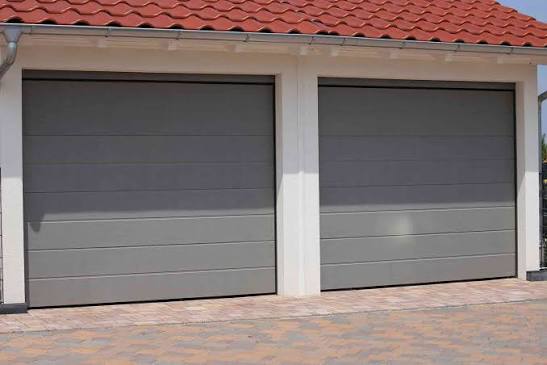
Replacing a broken or outdated garage door is one of those home improvement projects that often catches homeowners off guard. You might notice strange noises, visible damage, or simply feel that your current door is dragging down your home’s curb appeal. If you are asking yourself, “How much is it to change a garage door?” you are not alone. This guide breaks down the real costs, hidden fees, and smart ways to budget for this essential upgrade without breaking the bank.
Understanding the Average Cost to Replace a Garage Door
When planning your budget, it is crucial to understand that there is no single “one-size-fits-all” price. However, national averages provide a solid starting point for your financial planning.
In 2026, the average cost to replace a standard single-car garage door ranges from $800 to $1,500, including professional installation. For a double-car garage door, expect to pay between $1,200 and $2,500. These figures typically include the door itself, hardware, tracks, and labor.
Several factors influence where your project falls within this range:
- Material Choice: Steel is generally the most affordable, while wood and custom composite materials drive up the price.
- Insulation Level: Insulated doors cost more upfront but offer significant energy savings and noise reduction.
- Labor Rates: Installation costs vary significantly by region and the complexity of the removal process.
According to industry data, labor usually accounts for about 30% to 40% of the total project cost. This means if you are quoted $1,000, roughly $300–$400 is going toward the skilled work of removing the old door and safely installing the new one.
What Factors Influence Garage Door Replacement Prices?
To get an accurate estimate, you need to look beyond the base price of the door slab. Several key variables can swing your final bill by hundreds of dollars.
1. Material and Style
The material you choose is the biggest cost driver. Here is a quick comparison of popular options:
| Material | Average Cost (Door Only) | Pros | Cons |
|---|---|---|---|
| Steel | $500 – $1,200 | Durable, low maintenance, affordable | Can dent, may rust if scratched |
| Aluminum | $600 – $1,300 | Rust-resistant, lightweight | Prone to denting, less insulation |
| Wood | $1,500 – $3,000+ | Beautiful, classic aesthetic | High maintenance, expensive |
| Composite | $1,200 – $2,500 | Looks like wood, durable | Higher upfront cost |
2. Insulation Value (R-Value)
If your garage is attached to your home or used as a workspace, insulation matters. Doors are rated by R-value, which measures thermal resistance.
- Non-insulated (R-0 to R-2): Cheapest option, best for detached garages.
- Standard Insulation (R-6 to R-9): Good balance of cost and performance.
- High Performance (R-12+): Best for temperature control and noise reduction, but costs 20–30% more.
3. Size and Customization
Standard sizes (8×7 feet for single, 16×7 feet for double) are mass-produced and cheaper. If you have an older home with non-standard dimensions, you may need a custom-sized door, which can increase costs by 50% or more. Additionally, adding windows, decorative hardware, or custom colors will add to the final tally.
Labor Costs: DIY vs. Professional Installation
One of the most common questions homeowners face is whether they should install the door themselves to save money. While DIY might seem appealing, garage doors are heavy, under high tension, and potentially dangerous.
Professional Installation Costs
Hiring a pro typically costs between $200 and $500 for labor. This fee covers:
- Safe removal and disposal of the old door.
- Assembly and hanging of the new door sections.
- Installation of springs, cables, and tracks.
- Calibration of the opener and safety sensors.
For more complex technical details on garage door mechanisms and safety standards, you can refer to the general overview on Wikipedia.
The Risks of DIY
Garage door springs store immense kinetic energy. If a spring snaps during improper installation, it can cause severe injury or property damage. Most manufacturers also void warranties if the door is not installed by a certified professional. Given the risks and the potential for costly mistakes, professional installation is strongly recommended for most homeowners.
Hidden Costs to Watch Out For
When asking “how much is it to change a garage door,” many people forget to account for ancillary expenses. Here are common hidden costs:
- Old Door Disposal: Some companies charge a $50–$100 fee to haul away your old door. Always ask if this is included in your quote.
- Structural Repairs: Once the old door is removed, you might discover rotting wood frames or damaged tracks that need repair before the new door can be installed. Budget an extra $100–$300 for unexpected fixes.
- New Opener Compatibility: If your new door is heavier or has different specifications, your existing garage door opener might not be compatible. A new opener can cost $150–$400 plus installation.
- Permits: In some municipalities, replacing a garage door requires a building permit, which can cost $50–$200. Check with your local building department.
How to Save Money on Garage Door Replacement
You don’t have to overspend to get a quality door. Here are proven strategies to keep costs down:
- Stick to Standard Sizes: Avoid custom orders if possible. Measure carefully and choose a door that fits your existing opening.
- Choose Steel Over Wood: Steel doors offer excellent durability and modern aesthetics at a fraction of the cost of wood. They also require minimal maintenance.
- Get Multiple Quotes: Prices can vary widely between contractors. Aim to get at least three detailed quotes to compare not just price, but also warranty terms and included services.
- Time Your Purchase: Late fall and winter are often slower seasons for garage door companies. You may find discounts or promotional offers during these months.
- Bundle Services: If you also need a new opener or maintenance on other doors, ask for a package deal. Many companies offer discounts for multiple services.
Step-by-Step Overview of the Replacement Process
Understanding what happens during installation can help you prepare and ensure the job goes smoothly.
- Preparation: The technician will inspect the area, clear obstacles, and lay down protective coverings.
- Removal: The old door is disconnected from the opener and tracks. Springs are carefully released, and panels are removed section by section.
- Frame Inspection: The header and side jambs are checked for level and structural integrity. Any necessary repairs are made.
- Track Installation: New vertical and horizontal tracks are mounted securely to the frame and ceiling.
- Panel Assembly: Door sections are assembled on the ground and then lifted into place, hinged together as they go.
- Spring and Cable Setup: Torsion or extension springs are installed and tensioned. Cables are attached to the bottom brackets.
- Testing and Calibration: The door is operated manually and with the opener to ensure smooth movement. Safety sensors are aligned and tested.
FAQ: Common Questions About Garage Door Costs
1. How much does it cost to replace just the garage door panels?
Replacing individual panels is possible but often not cost-effective. A single panel can cost $150–$300, plus labor. Since panels must match exactly in color and style, finding a match for older doors is difficult. Often, replacing the entire door is more economical and improves overall performance.
2. Does a new garage door increase home value?
Yes. According to real estate studies, a new garage door offers one of the highest returns on investment (ROI) among home improvement projects, often recouping 80–90% of its cost in added home value. It significantly boosts curb appeal.
3. How long does a garage door replacement take?
A professional team can typically complete a standard replacement in 3 to 5 hours. Complex installations or custom doors may take a full day. DIY installations can take a weekend or longer for inexperienced homeowners.
4. Should I replace my garage door opener at the same time?
If your opener is more than 10 years old, it is wise to replace it alongside the door. Newer models are quieter, safer, and more energy-efficient. Plus, installing both at once saves on labor costs.
5. What is the lifespan of a new garage door?
With proper maintenance, a high-quality steel garage door can last 15–30 years. Wood doors may last 10–20 years depending on climate and upkeep. Regular lubrication and annual inspections can extend the life of any door.
Conclusion
So, how much is it to change a garage door? For most homeowners, the answer lies between $800 and $2,500, depending on size, material, and labor. While it is a significant investment, a new garage door enhances security, energy efficiency, and your home’s aesthetic appeal.
By understanding the cost breakdown, avoiding hidden fees, and choosing the right material for your needs, you can make a smart, budget-friendly decision. Don’t rush the process—get multiple quotes, check reviews, and prioritize quality installation.
Found this guide helpful? Share it with friends or neighbors who might be considering a garage upgrade! Let us know in the comments if you have any specific questions about your project.
Leave a Reply