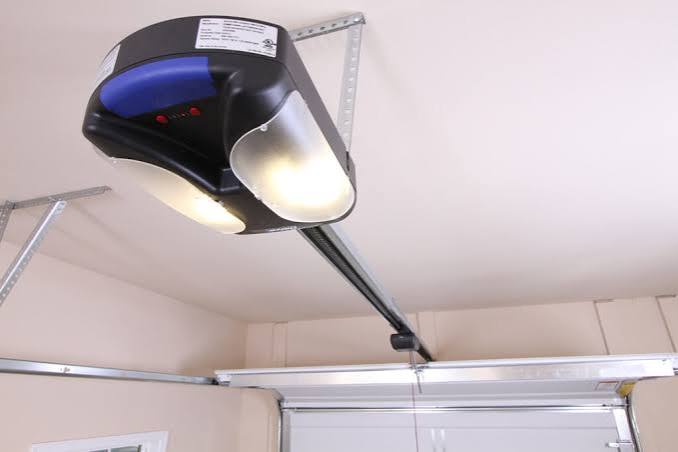
Dealing with a broken or outdated garage door can be incredibly frustrating, especially when you are just trying to get home after a long day. If you are upgrading, you are probably wondering exactly how much is an automatic garage door opener installed to budget correctly without breaking the bank. Let us break down the costs so you can make a confident, informed decision.
How Much Is An Automatic Garage Door Opener Installed on Average?
According to recent home improvement data across the United States, the national average cost to install a new automatic garage door opener ranges between $250 and $650. Most homeowners spend around $450 for a standard 1/2 HP chain-drive model with professional installation.
However, the final price can swing based on the unit’s horsepower, drive mechanism, and smart features. High-end models with battery backups and Wi-Fi connectivity can push the total cost up to $800 or more. Additionally, if you live in a high-cost-of-living area like San Francisco or New York City, expect labor rates to push your total bill toward the higher end of the spectrum.
Average Cost Breakdown by Opener Type
Here is a quick text infographic to help you visualize the price differences based on the mechanism:
| Opener Type | Unit Cost | Labor Cost | Total Installed Cost | Best For |
|---|---|---|---|---|
| Chain Drive | $150 – $300 | $100 – $200 | $250 – $500 | Detached garages, tight budgets |
| Belt Drive | $180 – $350 | $100 – $200 | $280 – $550 | Attached garages, quiet operation |
| Screw Drive | $150 – $280 | $100 – $200 | $250 – $480 | Wide temperature variations |
| Jackshaft | $300 – $600 | $150 – $300 | $450 – $900 | High ceilings, heavy doors |
What Factors Affect the Total Installation Cost?
Before you call a contractor, it helps to understand what drives the price tag. Here are the primary variables that will dictate your final invoice:
- Horsepower (HP): Standard residential doors need 1/2 HP or 3/4 HP. If you have a solid wood or oversized door, you will need a 1 HP or 1.25 HP motor, which costs 20% to 30% more.
- Drive Type: Chain drives are the most affordable but the noisiest. Belt drives cost slightly more but operate whisper-quiet.
- Extra Features: Adding a battery backup, Wi-Fi connectivity, or extra remote controls will add $50 to $150 to your final bill.
- Existing Wiring: If your garage lacks a dedicated electrical outlet near the ceiling, an electrician might need to run new wiring, adding $100 to $250 to the project.
- Disposal Fees: If you want the installation team to haul away your old, broken opener, some companies charge a small disposal fee of $25 to $50.
Chain vs. Belt vs. Screw Drive: Which One Should You Choose?
Choosing the right drive type is crucial for balancing your budget and your sanity. Let us look at the pros and cons of each mechanism to help you decide.
Chain Drive Openers
- Pros: Most budget-friendly, highly durable, and easy to find replacement parts anywhere.
- Cons: Very noisy, making them a poor choice for garages attached directly to bedrooms or living spaces.
Belt Drive Openers
- Pros: Extremely quiet operation, smooth performance, and perfect for attached garages.
- Cons: Costs 15% to 20% more than chain drives, and the rubber belts can eventually degrade over decades of use.
Screw Drive Openers
- Pros: Features fewer moving parts, requires less overall maintenance, and works exceptionally well in extreme temperature climates.
- Cons: Can be moderately noisy and requires regular lubrication of the steel threaded rod.
Step-by-Step: How the Installation Process Impacts Your Bill
Understanding the physical installation helps you see why professional labor costs what it does. Here is a concrete look at the steps a technician takes to ensure your system is safe and functional:
Step 1: Measuring the Clearance The technician will first measure the headroom above your door. You need exactly 2 inches of vertical clearance above the highest point of the garage door travel to mount the opener rail properly.
Step 2: Mounting the Header Bracket They will secure the central mounting bracket above the door using heavy-duty 5/16-inch by 2-inch lag screws. It is critical that these screws are driven deep into the structural wooden header, not just the drywall, to support the motor’s lifting force.
Step 3: Assembling and Hanging the Rail The main rail is attached to the motor and suspended from the ceiling using perforated angle iron and hanging brackets. For screw drive models, the technician will apply a specific, even coat of white lithium grease to the threaded rod to ensure smooth, friction-free operation.
Step 4: Wiring the Safety Sensors The photo-eye safety sensors must be mounted exactly 6 inches above the floor on both sides of the door. The technician will run a low-voltage 2-conductor wire (usually 22-gauge) across the ceiling and connect it to the motor terminals.
Note: For a deeper technical understanding of the mechanics and history involved in these systems, you can read the comprehensive overview of garage door openers on Wikipedia.
Step 5: Calibrating the Force Limits Finally, the technician will program the travel limits. They will adjust the up and down force settings so the door reverses automatically if it encounters an obstruction measuring just 1.5 inches thick (like a 2×4 board laid flat).
DIY vs. Professional Installation: Is It Worth the Extra Cost?
You might be tempted to save money by doing it yourself. But is it worth the risk?
According to John Smith, a certified garage door technician with 15 years of industry experience: “A garage door is the largest moving object in your home. Improper installation of the opener or the torsion springs can lead to severe injury or property damage. Hiring a professional ensures the safety sensors are perfectly aligned and the force limits are correctly calibrated.”
Professional Installation
- Pros: Guaranteed work, safety assurance, warranty validation, and it only takes about 2 to 4 hours.
- Cons: Adds $100 to $200 in labor costs to your total bill.
DIY Installation
- Pros: Saves on labor costs and is a great weekend project for experienced DIYers.
- Cons: Voided manufacturer warranty, high risk of injury, and takes 4 to 6 hours for beginners.
Frequently Asked Questions
How long does it take to install an automatic garage door opener? A professional technician typically takes 2 to 4 hours to remove the old unit and install the new one. If you are doing it yourself for the first time, expect it to take a full weekend afternoon.
Can I install a garage door opener myself to save money? Yes, if you have moderate DIY skills and basic tools like a drill, wrench set, and a sturdy ladder. However, if your door lacks proper balancing or you are uncomfortable working at heights, it is highly recommended to hire a professional.
What is the most common horsepower for a residential garage door opener? The 1/2 HP and 3/4 HP models are the most common. A 1/2 HP motor is sufficient for standard aluminum or steel doors, while a 3/4 HP motor is better for heavier wooden doors or oversized two-car doors.
Do smart garage door openers cost more to install? The smart unit itself costs about $50 to $150 more than a standard model. However, the labor cost for installation remains exactly the same, as the physical wiring and mounting process is identical to a basic model.
How often should I maintain my newly installed garage door opener? You should perform a basic safety and function test every month by placing a roll of paper towels in the door’s path to ensure it reverses. Additionally, lubricate the moving parts (like the chain or screw drive) every 6 to 12 months using a garage-door-specific silicone spray or white lithium grease.
Conclusion
Upgrading your garage access is a fantastic way to improve your home’s security, convenience, and overall property value. While figuring out how much is an automatic garage door opener installed can seem daunting at first, knowing the average costs and variables empowers you to budget effectively. Whether you choose a whisper-quiet belt drive or a budget-friendly chain drive, investing in professional installation ensures your system runs safely and efficiently for years to come.
Leave a Reply