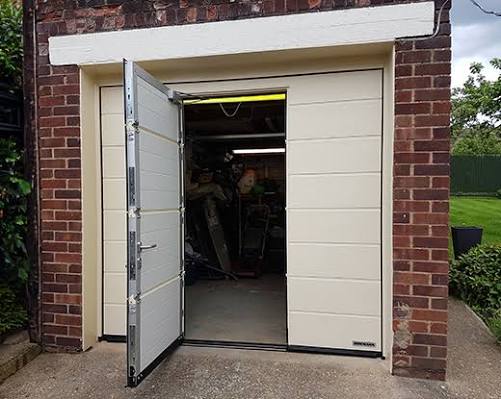
Have you ever stared at your aging single-car garage door, wondering if it’s time for an upgrade, but felt stuck because you had no idea what the bill would look like? You are not alone. Many homeowners delay this essential home improvement project simply because they are unsure how much is a one car garage door installed in today’s market. Understanding the costs upfront can help you budget effectively and avoid unpleasant surprises when the installer arrives.
What Is the Average Cost of a One-Car Garage Door Installation?
When planning your budget, it is crucial to distinguish between the price of the door itself and the total cost of installation. In 2026, the average total cost to install a new one-car garage door ranges from $850 to $2,500. However, this number can fluctuate significantly based on materials, labor rates in your area, and any additional features you choose.
To give you a clearer picture, here is a general breakdown:
- Basic Steel Door (Economy): $850 – $1,200
- Mid-Range Insulated Steel: $1,200 – $1,800
- Premium Wood or Custom Composite: $1,800 – $3,500+
Labor typically accounts for about 30% to 50% of the total bill. While DIY might seem tempting, professional installation ensures proper alignment, safety sensor calibration, and warranty validity. Most manufacturers will void their warranty if the door is not installed by a certified technician.
How Do Material Choices Impact the Final Price?
The material you choose is the single biggest factor influencing how much is a one car garage door installed. Each material offers different benefits regarding durability, maintenance, and aesthetics.
1. Steel Doors
Steel is the most popular choice for American homes due to its affordability and durability.
- Pros: Low maintenance, resistant to warping, available in various styles.
- Cons: Can dent easily; prone to rust if the coating is damaged.
- Cost Factor: Generally the most affordable option.
2. Aluminum Doors
Aluminum is lightweight and resistant to corrosion, making it ideal for coastal areas.
- Pros: Rust-proof, modern look, lightweight.
- Cons: Dents very easily, less insulation value.
- Cost Factor: Mid-range pricing.
3. Wood Doors
For a classic, high-end look, wood is unmatched. However, it requires significant upkeep.
- Pros: Beautiful natural aesthetic, excellent insulation properties.
- Cons: High maintenance (staining/sealing), susceptible to rot and insects.
- Cost Factor: Premium pricing due to material and craftsmanship costs.
4. Fiberglass and Composite
These materials mimic the look of wood but offer better durability.
- Pros: Resistant to dents and corrosion, low maintenance.
- Cons: Can fade over time in direct sunlight.
- Cost Factor: Mid-to-high range.
| Material | Avg. Cost (Door Only) | Maintenance Level | Durability |
|---|---|---|---|
| Steel | $400 – $900 | Low | High |
| Aluminum | $500 – $1,000 | Low | Medium |
| Wood | $1,200 – $3,000+ | High | Medium |
| Fiberglass | $800 – $1,500 | Low | High |
Does Insulation Affect How Much Is A One Car Garage Door Installed?
Yes, insulation plays a major role in both comfort and cost. If your garage is attached to your home or used as a workspace, insulation is highly recommended.
Garage doors are rated by their R-value, which measures thermal resistance.
- Non-Insulated (R-0 to R-2): Cheapest option. Suitable for detached garages or mild climates.
- Polystyrene Insulation (R-4 to R-8): Moderate cost. Provides basic temperature control and noise reduction.
- Polyurethane Insulation (R-12 to R-18): Highest cost. Offers superior energy efficiency, sound dampening, and structural rigidity.
Adding high-quality polyurethane insulation can increase the door’s price by $200 to $500, but it may save you money on heating and cooling bills in the long run. For more details on energy efficiency standards, you can refer to resources like Energy.gov or general building science principles outlined on Wikipedia.
What Are the Hidden Costs in Garage Door Installation?
When asking how much is a one car garage door installed, many homeowners forget to account for “hidden” or additional costs. These can add up quickly if you are not prepared.
- Old Door Removal and Disposal: Most installers charge a fee ($50–$150) to remove and haul away your old door.
- New Hardware and Tracks: If your existing tracks or springs are worn out, they must be replaced. This can add $100–$300 to the bill.
- Opener Installation: If you do not have an existing garage door opener, or if yours is incompatible with the new door, expect to pay an additional $200–$500 for the unit and installation.
- Structural Repairs: If the framing around your garage opening is damaged or not square, carpentry work may be needed before the new door can be installed.
- Permits: Some local municipalities require permits for garage door replacements. Check with your local building department to avoid fines.
How Can I Save Money on My Garage Door Installation?
While you want quality, nobody wants to overpay. Here are proven strategies to reduce the cost of your project without sacrificing safety or durability.
- Get Multiple Quotes: Always obtain at least three estimates from licensed and insured contractors. Prices can vary widely between companies.
- Choose Standard Sizes: Custom-sized doors are significantly more expensive. If possible, stick to standard widths (8 or 9 feet) and heights (7 or 8 feet).
- Time Your Purchase: Installers are often busier in the spring and summer. Scheduling your installation during the off-season (late fall or winter) may lead to discounts or promotional offers.
- Keep Existing Hardware: If your tracks, rollers, and springs are in good condition, ask if they can be reused. However, listen to your installer’s advice—if they recommend replacement for safety reasons, it is worth the investment.
- DIY Preparation: You can save on labor costs by clearing the area around the garage door and removing personal items beforehand. This allows the installers to work faster and more efficiently.
Step-by-Step: What Happens During Professional Installation?
Understanding the process can help you feel more confident in your investment. Here is what a typical professional installation looks like:
- Site Assessment: The technician inspects the opening, checks the level, and verifies measurements.
- Removal of Old Door: The old door panels, springs, and tracks are carefully dismantled and removed.
- Installation of New Tracks: New horizontal and vertical tracks are secured to the wall and ceiling structure. Precision is key here to ensure smooth operation.
- Panel Assembly: The new door panels are connected one by one. Hinges and rollers are attached to each section.
- Spring Installation: Caution: Torsion or extension springs are under extreme tension. This step is dangerous and should only be done by professionals.
- Opener Connection: If included, the garage door opener is mounted and connected to the door arm.
- Testing and Calibration: The technician tests the balance of the door, adjusts the force settings, and calibrates the safety sensors to ensure they reverse properly when an object is detected.
FAQ Section
Q: How long does it take to install a one-car garage door?
A: A professional team can typically complete the installation of a standard one-car garage door in 3 to 5 hours. This includes removing the old door, installing the new one, and testing all safety features. Complex installations or structural repairs may take longer.
Q: Can I install a garage door myself to save money?
A: While it is physically possible, it is not recommended for most homeowners. Garage doors are heavy, and the springs are under high tension, posing serious safety risks. Improper installation can lead to injury, damage to your property, and voided warranties. Professional installation ensures safety and compliance with local codes.
Q: How often should I replace my garage door?
A: Most garage doors last between 15 to 30 years, depending on the material and maintenance. Steel doors tend to last longer than wood if properly maintained. If you notice frequent repairs, excessive noise, or visible damage like rust or warping, it may be time for a replacement.
Q: Does a new garage door increase home value?
A: Yes. According to various real estate studies, replacing a garage door is one of the top home improvement projects for return on investment (ROI). It can recoup up to 90% or more of its cost in added home value by improving curb appeal and energy efficiency.
Q: What size is a standard one-car garage door?
A: The standard width for a single-car garage door is 8 feet or 9 feet, and the standard height is 7 feet or 8 feet. If you have a larger vehicle like an SUV or truck, a 9-foot wide door is recommended for easier entry and exit.
Conclusion
Knowing how much is a one car garage door installed empowers you to make smart financial decisions for your home. With average costs ranging from $850 to $2,500, there is an option for every budget. By choosing the right material, considering insulation, and hiring a reputable professional, you can enhance your home’s security, energy efficiency, and curb appeal.
Don’t let an outdated or malfunctioning door compromise your safety or comfort. Take the next step today: get those quotes, compare your options, and invest in a solution that lasts. If you found this guide helpful, please share it with friends or neighbors who might be facing the same dilemma!
Leave a Reply