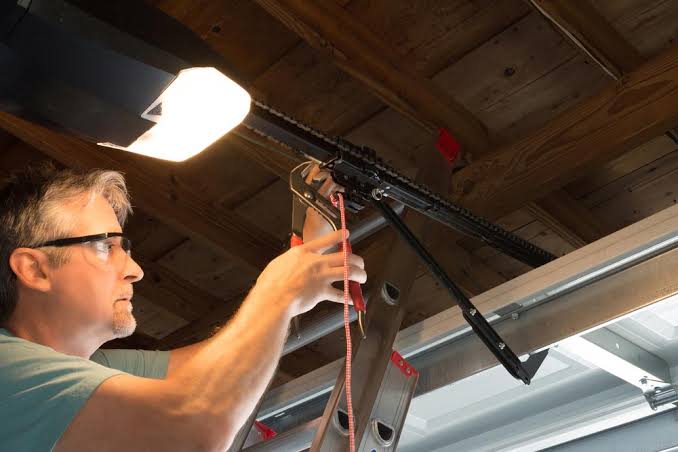
Is your old garage door opener making strange noises or failing to respond to your remote? You are not alone. Many homeowners face this frustration, especially as older models become obsolete or break down completely. If you are wondering how much is a new garage door opener with installation, you have come to the right place. This guide breaks down every cost factor so you can budget accurately and avoid surprise fees.
Understanding the Average Cost Range
When planning for a garage door opener replacement, it is essential to understand that prices vary significantly based on the type of motor, brand, and additional features. In 2026, the average cost for a new garage door opener with professional installation typically ranges between $350 and $650. However, this figure can swing lower for basic models or higher for premium smart systems.
The total cost is generally split into two main components: the hardware itself and the labor for installation. On average, the opener unit costs between $150 and $400, while professional installation fees range from $150 to $300. Keep in mind that these prices can fluctuate based on your geographic location, the complexity of your existing setup, and any necessary electrical upgrades.
For a standard single-car garage with a straightforward replacement, you might find deals closer to the $300 mark. Conversely, if you are upgrading to a high-end belt-drive system with Wi-Fi connectivity and battery backup for a double-car garage, expect to pay upwards of $700. It is crucial to get multiple quotes from licensed technicians to ensure you are getting a fair price.
Factors That Influence Installation Costs
Several variables can impact the final bill when installing a new garage door opener. Understanding these factors will help you anticipate potential extra charges and make informed decisions.
Type of Drive System
The drive mechanism is one of the most significant cost determinants. There are three primary types:
- Chain-Drive: The most affordable option, typically costing $150–$250 for the unit. They are durable but noisy, making them less ideal for garages attached to living spaces.
- Belt-Drive: Priced between $250 and $400, these operate quietly and smoothly. They are a popular choice for homeowners who value peace and quiet.
- Screw-Drive: Falling in the middle at $200–$350, screw-drive openers require less maintenance but may struggle in extreme temperatures.
Horsepower (HP) Requirements
The power of the motor affects both performance and price. Most residential garages use a ½ HP or ¾ HP motor.
- ½ HP: Suitable for standard single-car doors. Cost: $150–$250.
- ¾ HP: Ideal for heavier wooden doors or double-car garages. Cost: $250–$400.
- 1+ HP: Reserved for oversized or custom doors. Cost: $400+.
Choosing the correct horsepower ensures longevity and prevents premature wear on the motor. An underpowered motor will strain and fail faster, leading to higher long-term costs.
Smart Features and Connectivity
Modern garage door openers often come with smart capabilities, such as Wi-Fi connectivity, smartphone app control, and integration with home automation systems like Alexa or Google Home. These features add convenience but also increase the price by $50–$150. While not essential for everyone, smart openers provide enhanced security and remote access, which many homeowners find invaluable.
Additional Hardware and Accessories
Sometimes, the existing rails, sensors, or remotes are incompatible with the new opener. You may need to purchase:
- Extra remote controls ($20–$40 each)
- Keypads for exterior access ($30–$60)
- Battery backup systems ($50–$100)
- New safety sensors if the old ones are damaged
DIY vs. Professional Installation: Which Is Better?
One of the biggest questions homeowners face is whether to install the opener themselves or hire a professional. While DIY can save money, it comes with risks.
Pros and Cons of DIY Installation
- Cost Savings: You avoid labor fees, potentially saving $150–$300.
- Control: You choose the exact timing and pace of the project.
- Risk: Incorrect installation can void warranties, cause safety hazards, or damage the door. Garage doors are heavy and under high tension, making them dangerous to work with without proper knowledge.
Benefits of Professional Installation
- Expertise: Technicians ensure the opener is balanced correctly and safety sensors are aligned.
- Warranty Protection: Most manufacturers require professional installation to honor the warranty.
- Time Efficiency: A pro can complete the job in 2–4 hours, whereas a DIYer might take a full day or more.
- Safety: Professionals have the tools and experience to handle heavy components safely.
For most homeowners, professional installation is recommended. The peace of mind and warranty protection outweigh the initial savings of DIY. If you are handy and experienced with electrical work, DIY might be an option, but proceed with caution.
Step-by-Step Overview of the Installation Process
If you decide to hire a professional, knowing what to expect can help you prepare. Here is a simplified overview of the installation process:
- Removal of Old Opener: The technician disconnects power and removes the existing motor, rails, and hardware.
- Assembly of New Unit: The new opener is assembled according to the manufacturer’s instructions. This includes attaching the rail and motor head.
- Mounting the Bracket: A sturdy bracket is installed on the garage door header to support the opener.
- Installing the Rail: The rail is connected to the motor and secured to the bracket. It must be level and aligned properly.
- Attaching the Trolley: The trolley, which moves along the rail, is connected to the garage door via a J-arm or straight arm.
- Electrical Wiring: The opener is plugged into a nearby outlet or hardwired. Safety sensors are installed near the floor on both sides of the door.
- Programming and Testing: The remote controls and keypad are programmed. The technician tests the door’s movement, force settings, and safety reversal feature.
For more detailed technical specifications on garage door safety standards, you can refer to Wikipedia’s page on Garage Door Openers.
Cost Comparison Table
To help you visualize the differences, here is a comparison of common opener types:
| Feature | Chain-Drive | Belt-Drive | Screw-Drive |
|---|---|---|---|
| Average Unit Cost | $150 – $250 | $250 – $400 | $200 – $350 |
| Noise Level | High | Low | Medium |
| Maintenance | Moderate (Lubrication) | Low | Low |
| Durability | High | High | Medium (Temp sensitive) |
| Best For | Detached garages | Attached garages | Moderate climates |
Frequently Asked Questions (FAQ)
1. How long does a garage door opener last?
Most garage door openers last between 10 to 15 years with regular maintenance. Factors like usage frequency, climate, and build quality affect lifespan. Belt-drive models tend to last longer due to less wear and tear compared to chain drives.
2. Can I install a new opener on my existing rails?
It is generally not recommended. Manufacturers design rails specifically for their motors. Using old rails can lead to misalignment, increased noise, and voided warranties. Always use the new rails provided with your opener.
3. Do I need a permit to install a garage door opener?
In most residential areas, no permit is required for replacing an existing garage door opener. However, if you are adding new electrical wiring or modifying the structure, local codes may apply. Always check with your local building department to be sure.
4. What is the cheapest way to replace a garage door opener?
The most cost-effective approach is to choose a chain-drive model and compare quotes from at least three local installers. Look for seasonal promotions or bundle deals that include installation. Avoid unnecessary smart features if you do not need them.
5. Why is my new garage door opener so loud?
If your new opener is loud, it might be a chain-drive model, which is naturally noisier. Ensure that the chain is properly lubricated and tensioned. If it is a belt-drive and still noisy, check for loose bolts or misaligned rails. Contact the installer if the noise persists.
6. Does insurance cover garage door opener replacement?
Homeowners insurance typically does not cover routine replacement or wear and tear. However, if the opener is damaged due to a covered peril like a storm, fire, or vandalism, your policy may cover the cost. Check your specific policy details for clarification.
Conclusion
Knowing how much is a new garage door opener with installation empowers you to make a smart financial decision. With average costs ranging from $350 to $650, you can choose a model that fits your budget and needs. Whether you opt for a quiet belt-drive system or a budget-friendly chain-drive, professional installation ensures safety and longevity.
Don’t let a broken opener disrupt your daily routine. Take action today by getting quotes from trusted local professionals. If you found this guide helpful, please share it with friends or family who might be facing the same dilemma. A secure and functional garage door is just a click away!
Leave a Reply