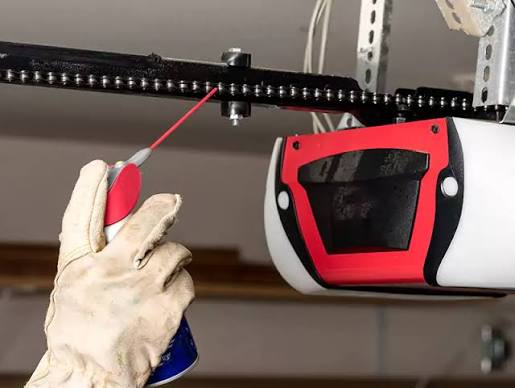
Have you ever been woken up by the loud rumble of your old garage door opener in the middle of the night? Or perhaps you are renovating your home and want a quieter, smoother solution for your garage access. If so, you are likely asking yourself: how much is a belt drive garage door opener? This modern upgrade offers significant noise reduction and durability, but understanding the full cost breakdown is essential before making a purchase.
Understanding the Cost of Belt Drive Garage Door Openers
When budgeting for a new garage door system, it is crucial to look beyond just the sticker price of the unit itself. The total investment includes the hardware, professional installation, and any additional features you might desire. On average, homeowners can expect to pay between $250 and $500 for the unit alone, with high-end models reaching up to $800. However, when you factor in professional installation, the total cost typically ranges from $400 to $900.
Why the variation? Several factors influence the final price tag. Brand reputation, motor horsepower, smart home compatibility, and battery backup options all play a role. For instance, a basic ½ HP model from a standard brand will cost significantly less than a 1.25 HP smart-enabled unit from a premium manufacturer like LiftMaster or Chamberlain.
Breakdown of Costs: Unit vs. Installation
To help you plan your budget, here is a clear comparison of what you might spend:
| Component | Low-End Estimate | High-End Estimate |
|---|---|---|
| Belt Drive Unit Only | $250 | $800+ |
| Professional Installation | $150 | $400 |
| Additional Features (Keypad, Sensors) | $50 | $150 |
| Total Project Cost | $450 | $1,350+ |
Note: Prices may vary based on your location and the complexity of your existing garage setup.
Why Choose a Belt Drive Over Chain Drive?
Before diving deeper into pricing, it is important to understand why belt drive openers are often worth the extra expense compared to traditional chain drive systems. The primary difference lies in the mechanism used to move the door. Chain drives use metal chains, which are durable but noisy. Belt drives use a steel-reinforced rubber belt, which operates almost silently.
Key Advantages of Belt Drive Systems
- Quiet Operation: This is the biggest selling point. If your garage is attached to your home or located beneath a bedroom, a belt drive is ideal. It reduces vibration and noise by up to 70% compared to chain drives.
- Smooth Performance: The rubber belt provides a smoother start and stop motion, reducing wear and tear on the garage door springs and tracks.
- Low Maintenance: Unlike chains that may require periodic lubrication, belts generally need little to no maintenance over their lifespan.
However, there are trade-offs. Belt drives can be slightly more expensive upfront and may not be as suitable for extremely heavy wooden doors unless paired with a high-horsepower motor. For more technical details on garage door mechanisms, you can refer to Wikipedia’s entry on garage door openers.
Factors That Influence the Price
Not all belt drive openers are created equal. Several specific features will drive the cost up or down. Understanding these will help you choose the right model for your needs without overspending.
1. Motor Horsepower (HP)
The power of the motor determines how easily the opener can lift your door.
- ½ HP: Suitable for single-car garages with lightweight aluminum or thin steel doors. Cost: $250–$350.
- ¾ HP: The most common choice for standard two-car garages with insulated steel doors. Cost: $350–$500.
- 1.25 HP: Necessary for heavy wooden doors or oversized custom doors. Cost: $500–$800.
2. Smart Home Integration
Modern openers often come with Wi-Fi connectivity, allowing you to control your garage door via smartphone apps. Brands like MyQ (Chamberlain/LiftMaster) offer seamless integration with Alexa, Google Assistant, and Apple HomeKit. These smart features typically add $50–$100 to the base price.
3. Battery Backup
Power outages happen. A built-in battery backup ensures you can still open and close your garage door during a blackout. This feature is increasingly popular and usually adds $100–$150 to the cost. Given the security implications of being locked out, many experts consider this a worthwhile investment.
4. Brand Reputation
Established brands like LiftMaster, Chamberlain, and Genie tend to charge a premium due to their reliability, warranty support, and availability of replacement parts. Generic or lesser-known brands may offer lower prices but could lack long-term support.
Top Brands and Their Price Ranges
Here is a quick overview of some of the most reputable brands in the market:
- LiftMaster: Known for commercial-grade durability. Their belt drive models range from $400 to $800. They are often considered the gold standard for quiet operation.
- Chamberlain: Offers excellent consumer-friendly features and smart tech. Prices range from $300 to $600. Great for DIY enthusiasts.
- Genie: Provides reliable performance at a competitive price point. Their belt drive models typically cost between $250 and $450.
- Craftsman: A solid mid-range option with good availability at major retailers. Expect to pay $300–$500.
DIY Installation vs. Professional Hiring
One of the biggest questions homeowners face is whether to install the opener themselves or hire a pro.
DIY Installation
If you are handy with tools, you can save $150–$400 by installing the unit yourself. Most modern belt drive openers come with detailed instructions and pre-assembled rails. However, you must be comfortable working with electrical wiring and heavy lifting. Incorrect installation can void warranties and pose safety risks.
Professional Installation
Hiring a licensed technician ensures the job is done correctly and safely. They will also adjust the tension on your garage door springs, which is dangerous for amateurs to handle. Most professional installations include a warranty on labor, giving you peace of mind.
Recommendation: If your garage door is older or if you are unsure about electrical work, opt for professional installation. The extra cost is worth the safety and reliability.
Frequently Asked Questions (FAQ)
1. How long does a belt drive garage door opener last?
With proper maintenance, a belt drive opener can last between 10 to 15 years. The rubber belt may need replacement every 5–7 years depending on usage, but the motor itself is highly durable.
2. Is a belt drive opener worth the extra cost?
Yes, especially if your garage is attached to your living space. The noise reduction alone makes it a valuable upgrade for comfort and quality of life. Additionally, the smoother operation extends the life of your garage door components.
3. Can I replace my chain drive with a belt drive?
In most cases, yes. However, you may need to purchase a new rail system compatible with the belt drive mechanism. It is often easier and more cost-effective to replace the entire unit rather than trying to retrofit just the drive mechanism.
4. Do belt drive openers require special maintenance?
No, they are actually lower maintenance than chain drives. You should inspect the belt annually for signs of wear or cracking and keep the tracks clean. Avoid using oil-based lubricants on the belt, as this can degrade the rubber.
5. What happens if the power goes out?
Standard models will not work without power. However, many mid-to-high-end belt drive openers now come with battery backup systems that allow you to operate the door several times during an outage. Check the specifications before buying if this is a concern for you.
6. Are belt drive openers compatible with all garage doors?
Most belt drive openers are compatible with standard sectional garage doors made of steel, aluminum, or wood. However, if you have an unusually heavy or custom door, ensure you choose a model with sufficient horsepower (at least ¾ HP or higher) to handle the weight.
Conclusion
So, how much is a belt drive garage door opener? While the initial investment is higher than chain drive models, the benefits of quiet operation, smooth performance, and low maintenance make it a smart choice for modern homes. Expect to spend between $400 and $900 for a complete professional installation, depending on the features and brand you choose.
By considering factors like horsepower, smart features, and battery backup, you can find a model that fits both your budget and your lifestyle. Whether you choose to DIY or hire a pro, upgrading to a belt drive system is a step toward a quieter, more convenient home.
Found this guide helpful? Share it with your friends on social media who are also looking to upgrade their garage!
Leave a Reply