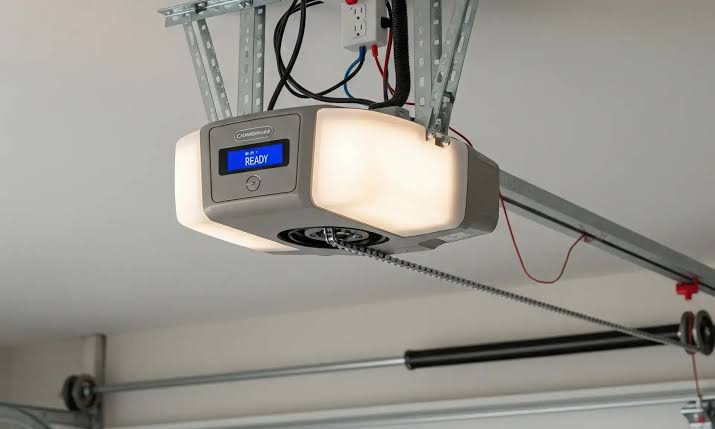
Choosing the wrong garage door opener can lead to premature wear, noisy operation, or even complete failure when you need it most. If you are standing in your driveway asking, “How much horsepower does my garage door opener need?” you are not alone. This guide will help you find the perfect match for your home, ensuring smooth, reliable performance for years to come.
Understanding Garage Door Opener Horsepower Ratings
Horsepower (HP) in garage door openers refers to the motor’s power output. It determines how efficiently the opener can lift and lower your garage door. Most residential openers range from 1/3 HP to 1+ HP, but the “right” choice depends on several factors beyond just raw power.
Why Horsepower Matters
- Door Weight: Heavier doors require more torque to lift.
- Usage Frequency: High-traffic garages benefit from more robust motors.
- Longevity: An underpowered opener works harder, leading to faster burnout.
- Noise Levels: Higher HP motors often operate more quietly because they strain less.
According to industry standards, matching your opener’s horsepower to your door’s specifications is critical for both safety and efficiency. For a deeper understanding of mechanical power ratings, you can refer to general engineering principles on Wikipedia.
What Is the Standard Horsepower for Residential Garage Doors?
For the average American home, the most common garage door opener horsepower is 1/2 HP. This rating is sufficient for most standard single-car and double-car garage doors made of steel or aluminum.
Typical Residential Scenarios
- Single-Car Steel Door: 1/3 HP to 1/2 HP
- Double-Car Steel Door: 1/2 HP
- Wood or Insulated Doors: 1/2 HP to 3/4 HP
If your door is a standard size (7×7 feet or 8×7 feet) and constructed from lightweight materials, a 1/2 HP opener will likely serve you well without breaking the bank.
When Do You Need a 3/4 HP or Higher Garage Door Opener?
Not all garage doors are created equal. If you have a larger, heavier, or frequently used door, stepping up to a 3/4 HP or even 1 HP opener is a smart investment.
Signs You Need More Power
- Heavy Materials: Solid wood, thick insulation, or custom decorative doors add significant weight.
- Large Dimensions: Oversized doors (e.g., 16×7 feet or taller) require more lifting force.
- High Cycle Usage: If you use your garage as a primary entry point multiple times a day, a stronger motor reduces wear and tear.
- Extreme Climates: In areas with high humidity or temperature fluctuations, insulated doors are heavier, necessitating more power.
| Door Type | Recommended HP | Why? |
|---|---|---|
| Single Steel | 1/3 – 1/2 HP | Lightweight, low stress |
| Double Steel | 1/2 HP | Standard weight, balanced load |
| Wood/Insulated | 3/4 HP | Heavier material, better durability |
| Custom/Large | 1 HP+ | Maximum torque for heavy loads |
How to Calculate the Right Horsepower for Your Specific Door
Determining the exact horsepower requirement doesn’t require an engineering degree. Follow these simple steps to assess your needs.
Step 1: Identify Your Door Material
- Steel: Lightest option. Usually works with 1/2 HP.
- Aluminum: Similar to steel, often used for modern designs.
- Wood: Significantly heavier. Requires 3/4 HP or more.
- Fiberglass/Composite: Varies, but generally lighter than wood.
Step 2: Measure Your Door Dimensions
Standard single doors are roughly 7–9 feet wide and 7–8 feet tall. Double doors are typically 16 feet wide. If your door exceeds these dimensions, lean toward a higher HP rating.
Step 3: Check for Insulation
Insulated doors can weigh 20–30% more than non-insulated ones. If your door has a polyurethane or polystyrene core, consider upgrading from 1/2 HP to 3/4 HP for smoother operation.
Step 4: Consider Usage Patterns
- Low Use (1–2 times/day): 1/2 HP is sufficient.
- Medium Use (3–5 times/day): 1/2 HP to 3/4 HP recommended.
- High Use (5+ times/day): 3/4 HP or 1 HP for longevity.
Comparing Garage Door Opener Types: Chain, Belt, and Screw Drive
Horsepower isn’t the only factor; the drive type also impacts performance and noise.
Chain Drive Openers
- Pros: Durable, affordable, widely available.
- Cons: Noisier due to metal-on-metal contact.
- Best For: Detached garages or budget-conscious homeowners.
- Typical HP: 1/2 HP to 3/4 HP.
Belt Drive Openers
- Pros: Quietest operation, smooth movement.
- Cons: Slightly more expensive, belts may need replacement over time.
- Best For: Attached garages or homes with bedrooms above the garage.
- Typical HP: 1/2 HP to 1 HP.
Screw Drive Openers
- Pros: Fewer moving parts, low maintenance.
- Cons: Can be noisy, sensitive to temperature changes.
- Best For: Moderate climates and users seeking low maintenance.
- Typical HP: 1/2 HP to 3/4 HP.
Common Mistakes When Choosing Garage Door Opener Horsepower
Avoid these pitfalls to ensure you make the right choice:
- Assuming Bigger Is Always Better: While a 1 HP opener can lift a light door, it may be overkill and cost more upfront. However, it won’t harm the door.
- Ignoring Door Balance: An unbalanced door puts extra strain on any opener, regardless of HP. Always test your door’s balance before installing a new opener.
- Overlooking Safety Features: Modern openers come with auto-reverse sensors and battery backups. Ensure your chosen model includes these, regardless of horsepower.
FAQ: Frequently Asked Questions About Garage Door Opener Horsepower
Q1: Can I use a 1/2 HP opener for a heavy wood door?
A: It is not recommended. A heavy wood door may cause a 1/2 HP motor to struggle, leading to premature failure. Opt for a 3/4 HP or 1 HP opener for better performance and longevity.
Q2: Does higher horsepower mean faster door operation?
A: Not necessarily. Most residential openers operate at similar speeds (6–8 inches per second). Higher horsepower primarily provides more torque for heavier loads, not increased speed.
Q3: Will a higher HP opener consume more electricity?
A: The difference is negligible. Garage door openers use minimal energy, and a higher HP motor may actually run more efficiently under load, potentially saving energy in the long run by reducing strain.
Q4: How do I know if my current opener is underpowered?
A: Signs include loud grinding noises, slow movement, the door reversing unexpectedly, or the motor feeling hot to the touch after use. These indicate the motor is working too hard.
Q5: Is there a downside to choosing a higher horsepower opener?
A: The main downsides are higher initial cost and potentially larger physical size. However, for heavy doors, the benefits of reliability and quiet operation far outweigh these minor drawbacks.
Q6: Do smart garage door openers require different horsepower?
A: No. Smart features (Wi-Fi connectivity, app control) are independent of the motor’s power. You can find smart openers in all horsepower ratings, from 1/2 HP to 1 HP.
Conclusion: Choose Confidence, Not Just Horsepower
Answering “How much horsepower does my garage door opener need” comes down to understanding your door’s weight, material, and your daily usage. For most standard steel doors, 1/2 HP is the sweet spot. For heavier wood or insulated doors, step up to 3/4 HP or 1 HP for peace of mind.
Investing in the right horsepower ensures quieter operation, longer lifespan, and fewer repairs. Don’t let an underpowered motor ruin your convenience.
Found this guide helpful? Share it with friends or neighbors who might be struggling with their garage door choices! Let’s keep our garages running smoothly together.
Leave a Reply