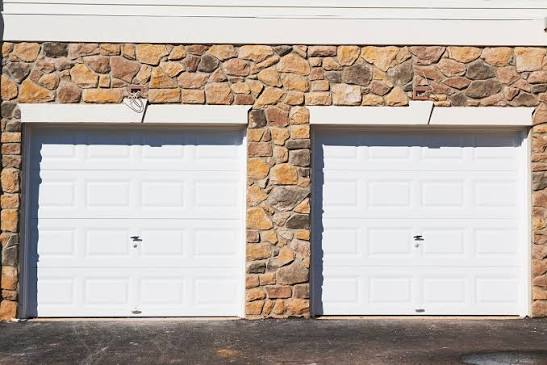
Replacing a garage door is one of those home improvement projects that often catches homeowners off guard. Whether your current door is damaged, outdated, or simply inefficient, knowing the financial commitment upfront is crucial for planning. If you are asking how much does it cost to replace garage doors, you are in the right place to find clear, actionable answers.
This guide breaks down every expense, from basic steel models to high-end custom wood options, ensuring you make an informed decision without overspending.
Understanding the Average Cost Breakdown
When budgeting for a new garage door, it is essential to look beyond just the price tag of the door itself. The total cost typically includes the door unit, hardware, labor, and any necessary structural adjustments.
On average, homeowners in the United States spend between $850 and $3,500 for a standard single-car garage door replacement. For double-car doors, the range usually falls between $1,200 and $4,500. However, these figures can vary significantly based on material choice and insulation levels.
Key Cost Factors
- Material Type: Steel is generally the most affordable, while wood and composite materials command higher prices.
- Insulation: Insulated doors cost more upfront but save money on energy bills over time.
- Labor Rates: Professional installation fees vary by region and contractor expertise.
- Additional Features: Windows, decorative hardware, and smart openers add to the final bill.
How Material Choice Impacts Your Budget
The material you choose is the single biggest driver of cost. Each option offers different benefits in terms of durability, maintenance, and aesthetics.
1. Steel Garage Doors
Steel is the most popular choice due to its affordability and low maintenance.
- Cost Range: $850 – $2,500
- Pros: Durable, resistant to warping, available in many styles.
- Cons: Can dent easily; prone to rust if not properly coated.
2. Wood Garage Doors
Wood offers a classic, high-end look that boosts curb appeal.
- Cost Range: $2,000 – $5,000+
- Pros: Beautiful natural aesthetic, customizable.
- Cons: Requires regular staining or painting, susceptible to weather damage.
3. Aluminum and Glass
Modern and sleek, these doors are ideal for contemporary homes.
- Cost Range: $1,500 – $3,500
- Pros: Lightweight, rust-resistant, allows natural light.
- Cons: Less insulated, can dent easily.
4. Composite and Fiberglass
These materials mimic wood but offer better durability.
- Cost Range: $1,200 – $3,000
- Pros: Low maintenance, resistant to rot and insects.
- Cons: Can fade over time in direct sunlight.
| Material | Average Cost | Durability | Maintenance Level |
|---|---|---|---|
| Steel | $850 – $2,500 | High | Low |
| Wood | $2,000 – $5,000+ | Medium | High |
| Aluminum | $1,500 – $3,500 | Medium | Low |
| Composite | $1,200 – $3,000 | High | Low |
Does Insulation Affect the Price?
Yes, insulation significantly impacts both the upfront cost and long-term value. Garage doors come with different R-values, which measure thermal resistance.
- Non-Insulated (R-value 0–2): Cheapest option, suitable for detached garages or mild climates.
- Standard Insulation (R-value 4–7): Moderate price, good for attached garages in temperate zones.
- High-Performance Insulation (R-value 10+): Most expensive, ideal for extreme climates and energy efficiency.
Adding insulation can increase the door’s price by $200 to $500, but it reduces noise and helps regulate temperature in your home. For more details on energy efficiency standards, you can refer to Energy Star guidelines.
Labor Costs: DIY vs. Professional Installation
While some homeowners consider DIY installation to save money, professional installation is highly recommended for safety and warranty purposes.
Professional Installation Costs
Labor typically accounts for $200 to $500 of the total project cost. This fee includes:
- Removal and disposal of the old door.
- Installation of new tracks, springs, and hardware.
- Calibration of safety sensors and openers.
Why Avoid DIY?
Garage doors are heavy and under high tension. Incorrect installation can lead to serious injury or property damage. Moreover, many manufacturers void warranties if the door is not installed by a certified professional.
Hidden Costs to Watch Out For
When calculating how much does it cost to replace garage doors, do not forget these potential additional expenses:
- Old Door Disposal: Some contractors charge $50–$100 for haul-away services.
- Structural Repairs: If the frame or surrounding drywall is damaged, repairs can add $100–$300.
- New Opener Installation: If your existing opener is incompatible, expect to pay $150–$400 for a new unit.
- Permits: Certain municipalities require permits for garage door replacements, costing $50–$150.
Steps to Replace Your Garage Door
If you decide to hire a professional, here is what the process typically looks like:
- Measurement and Selection: Accurately measure the width and height of your opening. Choose a door style and material that fits your budget and aesthetic.
- Removal of Old Door: The technician will disconnect the opener and carefully remove the old panels and tracks.
- Installation of New Hardware: New tracks, hinges, and springs are installed. This is the most critical step for safety.
- Panel Assembly: The new door sections are assembled and hung on the tracks.
- Testing and Calibration: The door is tested for balance, and safety sensors are aligned to ensure proper operation.
Frequently Asked Questions
How long does it take to replace a garage door?
A professional team can typically complete the installation in 4 to 6 hours. Complex custom doors or structural repairs may take longer.
Can I replace just the garage door panels?
Yes, if only one or two panels are damaged, you can replace them individually. This costs between $250 and $500 per panel, which is cheaper than a full replacement. However, matching older styles can be difficult.
What is the most durable garage door material?
Steel is generally considered the most durable and low-maintenance option. It resists warping and cracking better than wood and is less prone to denting than aluminum.
Does a new garage door increase home value?
Absolutely. According to real estate experts, a new garage door can offer a return on investment (ROI) of up to 90% by improving curb appeal and energy efficiency.
How often should I replace my garage door?
Most garage doors last 15 to 30 years, depending on material and maintenance. If you notice frequent repairs, excessive noise, or visible damage, it may be time for a replacement.
Conclusion
Understanding how much does it cost to replace garage doors empowers you to make a smart investment in your home. While the average cost ranges from $850 to $4,500, the right choice depends on your specific needs, climate, and budget. By choosing the appropriate material and insulation level, you can enhance both the functionality and aesthetic appeal of your home.
Leave a Reply