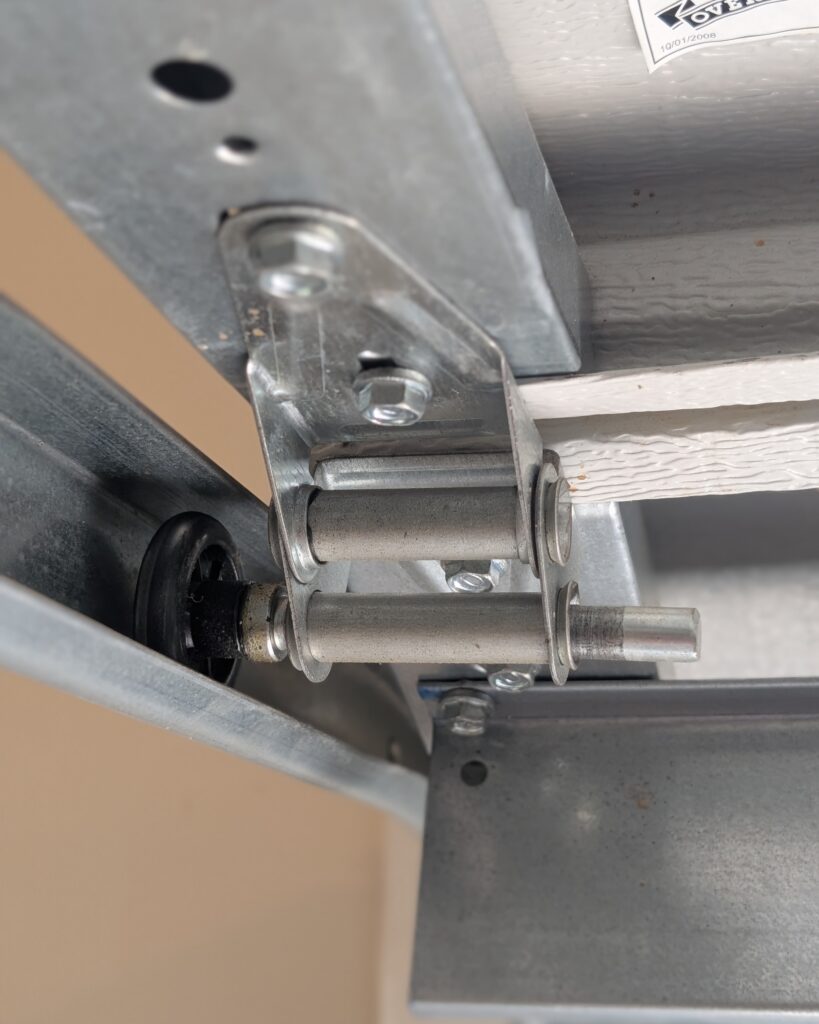
Have you noticed your garage door making grinding noises or getting stuck halfway? A bent or misaligned track is often the culprit, leaving you stranded and frustrated. If you are wondering how much does it cost to replace garage door tracks, you are in the right place to find clear, upfront answers without the hidden fees.
Garage doors are heavy, complex machines that we rely on every single day. When they fail, it disrupts our routine and can even pose a safety risk. Understanding the costs involved helps you make an informed decision quickly, whether you choose to call a professional or tackle the job yourself. In this guide, we will break down every dollar so you know exactly what to expect in 2026.
Average Cost Breakdown for Track Replacement
The cost to replace garage door tracks varies significantly based on the type of door, the material of the tracks, and your location. On average, homeowners in the United States spend between $150 and $350 for a professional replacement of standard straight tracks. However, this price can fluctuate.
For a more detailed look, consider the following components of the cost:
- Parts Only: If you buy the tracks yourself, you will pay between $40 and $120 depending on the gauge (thickness) and length.
- Labor Costs: Professional technicians typically charge $75 to $150 per hour. Most track replacements take 1–2 hours.
- Service Call Fee: Many companies charge a flat fee of $50 to $80 just to show up, which may be waived if you proceed with the repair.
| Item | Low-End Cost | High-End Cost | Average Cost |
|---|---|---|---|
| Straight Tracks (Parts) | $40 | $80 | $60 |
| Curved/Radius Tracks | $60 | $120 | $90 |
| Labor (1-2 Hours) | $75 | $300 | $150 |
| Total Professional Cost | $150 | $400+ | $275 |
Note: Prices may be higher in major metropolitan areas like New York City or San Francisco due to higher living costs and demand.
Why Do Garage Door Tracks Need Replacement?
Before diving into the repair, it is essential to understand why tracks fail. This knowledge can help you prevent future issues and determine if replacement is truly necessary or if a simple adjustment will suffice.
Common Causes of Track Damage
- Accidental Impact: The most common cause is a vehicle backing into the track or hitting it with a ladder. Even a slight bend can derail the rollers.
- Wear and Tear: Over time, metal fatigues. Constant opening and closing can loosen brackets and cause misalignment.
- Rust and Corrosion: In humid climates or coastal areas, moisture can eat away at steel tracks, weakening their structural integrity.
- Poor Installation: If the tracks were not aligned perfectly during the initial installation, the door will put uneven pressure on them, leading to premature failure.
According to industry experts, regular maintenance can extend the life of your tracks by up to 50%. For more technical details on garage door mechanics, you can refer to the general overview on Wikipedia.
DIY vs. Professional Replacement: Which Is Right for You?
One of the biggest questions homeowners face is whether to do it themselves or hire a pro. Here is a comparison to help you decide.
Option 1: DIY Replacement
Cost: $40 – $120 (Parts only) Time: 3 – 5 hours for beginners Difficulty: Moderate to Hard
Pros:
- Significant cost savings.
- Sense of accomplishment.
- Flexibility to work on your own schedule.
Cons:
- Safety Risk: Garage doors are under high tension. Incorrect handling can lead to serious injury.
- Tool Requirements: You need specific tools like locking pliers, a level, a socket set, and possibly a drill.
- Potential for Error: Misalignment by even a fraction of an inch can cause the door to fall off the tracks again.
Option 2: Professional Replacement
Cost: $150 – $400 Time: 1 – 2 hours Difficulty: Easy (for you)
Pros:
- Safety: Technicians are trained to handle heavy springs and cables safely.
- Warranty: Most pros offer a warranty on both parts and labor.
- Precision: Professionals have the tools to ensure perfect alignment.
Cons:
- Higher upfront cost.
- Scheduling dependencies.
Expert Verdict: If you are comfortable using tools and understand basic mechanical principles, DIY is viable for straight tracks. However, for curved tracks or if your door uses high-tension torsion springs, always hire a professional. The risk of injury is not worth the savings.
Step-by-Step Guide to Replacing Garage Door Tracks
If you decide to proceed with a DIY replacement, follow these steps carefully. Safety is paramount.
Tools You Will Need
- Socket wrench set
- Adjustable wrench
- Locking pliers (Vise-Grips)
- Level (4-foot level is best)
- Rubber mallet
- Ladder
- Safety glasses and gloves
The Process
- Disconnect the Opener: Pull the red emergency release cord to disconnect the door from the automatic opener. Manually close the door completely.
- Secure the Door: Use locking pliers to clamp the track below the bottom roller. This prevents the door from sliding down unexpectedly. Do not skip this step.
- Remove the Old Track:
- Unscrew the bolts holding the track to the wall brackets and the ceiling hangers.
- Carefully detach the track from the rollers. You may need to gently tap it with a rubber mallet if it is stuck.
- Install the New Track:
- Position the new track against the wall. Ensure it aligns perfectly with the existing vertical section.
- Insert the rollers into the new track.
- Bolt the track to the brackets loosely at first. Do not tighten them completely yet.
- Align and Tighten:
- Use your level to ensure the track is perfectly vertical and plumb.
- Check the gap between the track and the rollers. It should be consistent.
- Once aligned, tighten all bolts securely.
- Test the Door:
- Remove the locking pliers.
- Manually lift the door halfway. It should stay in place without sliding.
- Open and close it fully to check for smooth movement.
- Reconnect the opener and test the automatic function.
Factors That Influence the Final Price
Several variables can push your cost toward the higher end of the spectrum. Being aware of these helps you budget accurately.
1. Type of Track
Standard straight tracks are cheaper. However, if you have a low-headroom door or a custom setup requiring curved or radius tracks, the parts cost more due to specialized manufacturing.
2. Material Quality
Tracks come in different gauges. Standard residential tracks are usually 16-gauge steel. Heavy-duty doors may require 14-gauge or even 12-gauge steel, which is thicker and more expensive but offers greater durability.
3. Additional Repairs
Often, a bent track damages the rollers or hinges. If your rollers are worn out, you will need to replace them simultaneously. Adding new nylon rollers can add $20 to $50 to your total bill but ensures smoother operation.
4. Emergency Service
If your door is stuck open overnight or during a storm, you might need emergency service. Expect to pay a premium of 50% to 100% above standard rates for after-hours or weekend calls.
FAQ Section
How long does it take to replace garage door tracks?
For a professional, the job typically takes 1 to 2 hours. For a DIYer with moderate experience, it can take 3 to 5 hours, including setup and cleanup.
Can I bend the track back into shape instead of replacing it?
While minor bends can sometimes be hammered out with a rubber mallet, it is rarely a permanent fix. Metal that has been bent loses its structural integrity and is likely to bend again or cause uneven wear on rollers. Replacement is recommended for any visible damage.
Is it dangerous to replace garage door tracks myself?
Yes, there are risks. The primary danger comes from the torsion springs and the weight of the door. If you do not secure the door properly, it can fall. If you are unsure about handling the springs or supporting the door’s weight, hire a professional.
How often should garage door tracks be replaced?
Tracks do not have a fixed lifespan. With proper maintenance, they can last 10 to 15 years or more. They should only be replaced when they are bent, severely rusted, or cracked. Regular lubrication and inspection can prevent premature replacement.
Does homeowners insurance cover garage door track replacement?
It depends on the cause of the damage. If the track was damaged by a covered peril, such as a storm or a vehicle accident (if you have comprehensive auto coverage), it might be covered. However, damage due to wear and tear or lack of maintenance is typically not covered. Check with your insurance provider for specific policy details.
Conclusion
Knowing how much does it cost to replace garage door tracks empowers you to take control of your home maintenance. Whether you choose the DIY route to save money or hire a pro for peace of mind, the key is to address the issue promptly. Ignoring a bent track can lead to more expensive repairs, such as replacing the entire door system or fixing damage to your vehicle.
Remember, safety always comes first. If you feel uncomfortable at any stage of the process, do not hesitate to call a licensed technician. A smoothly operating garage door is not just a convenience; it is a vital part of your home’s security and functionality.
Found this guide helpful? Share it with your neighbors on Facebook or Twitter to help them save time and money on their home repairs!
Leave a Reply