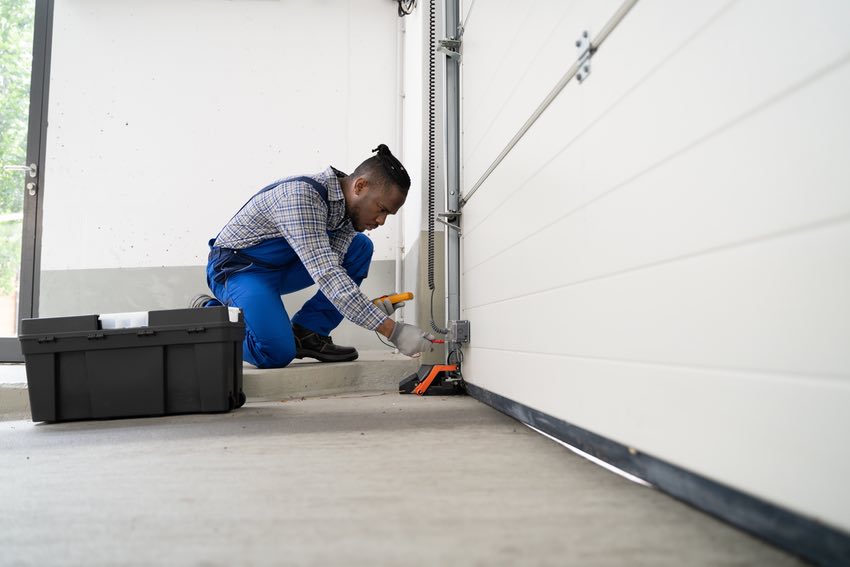
Replacing a garage door is one of those home improvement projects that sits at the intersection of necessity and curb appeal. Whether your current door is stuck, noisy, or simply outdated, you are likely looking for clarity on pricing before committing to a contractor. Understanding how much does it cost to install new garage door can help you budget accurately and avoid unexpected surprises during the renovation process.
In this guide, we will break down the average costs, hidden fees, and key factors that influence the final price tag, ensuring you make an informed decision for your home.
Average Cost Breakdown: What Should You Expect to Pay?
When planning your budget, it is essential to look beyond just the price of the door itself. The total cost includes materials, labor, removal of the old door, and any necessary hardware upgrades.
According to recent industry data from 2025–2026, the national average cost to install a new standard single-car garage door ranges between $800 and $1,500. For a double-car garage door, homeowners typically spend between $1,200 and $2,500. However, these figures can vary significantly based on material choice and customization.
Cost by Garage Door Type
| Door Type | Average Material Cost | Installation Labor | Total Estimated Cost |
|---|---|---|---|
| Steel (Single) | $400 – $800 | $300 – $500 | $700 – $1,300 |
| Aluminum (Single) | $500 – $900 | $300 – $500 | $800 – $1,400 |
| Wood (Single) | $800 – $1,500 | $400 – $600 | $1,200 – $2,100 |
| Fiberglass (Single) | $600 – $1,000 | $300 – $500 | $900 – $1,500 |
| Custom/High-End | $1,500+ | $500+ | $2,000+ |
Note: Prices are estimates and may vary by region and contractor.
What Factors Influence the Cost of Garage Door Installation?
Several variables can push your project cost higher or lower. Understanding these factors helps you prioritize where to spend and where to save.
1. Material Selection
The material is the biggest driver of cost. Steel remains the most popular choice due to its durability, low maintenance, and affordability. Wood offers a premium aesthetic but requires regular staining and sealing, making it more expensive both upfront and over time. Aluminum is lightweight and rust-resistant, ideal for coastal areas, while fiberglass mimics wood grain without the maintenance hassle.
2. Size and Style
A standard single-car door (usually 8×7 feet) is cheaper than a double-car door (16×7 feet). Additionally, custom sizes or unique styles like carriage-house designs require specialized manufacturing, which increases the price. Insulated doors also cost more than non-insulated ones but offer better energy efficiency and noise reduction.
3. Labor and Location
Labor costs depend on your geographic location. Urban areas with higher living costs typically have higher hourly rates for contractors. Furthermore, if your existing framework needs repair or modification to fit the new door, labor hours will increase. Always ask for a detailed quote that separates material costs from labor.
4. Additional Features and Hardware
Upgrading to a smart opener, adding windows, or choosing high-cycle springs can add $200–$500 to your total bill. While these features enhance convenience and longevity, they are optional and should be weighed against your budget.
DIY vs. Professional Installation: Which Is Right for You?
Many homeowners consider installing a garage door themselves to save money. However, this decision comes with significant risks and considerations.
The Case for Professional Installation
Hiring a professional ensures the job is done safely and correctly. Garage doors are heavy and under high tension, making them dangerous to handle without proper tools and training. Professionals also offer warranties on both parts and labor, providing peace of mind. According to Wikipedia’s entry on garage doors, modern doors use complex spring systems that can cause serious injury if mishandled.
The Reality of DIY
While you might save $300–$500 on labor, DIY installation requires specific tools, technical knowledge, and often a helper. Mistakes can lead to improper alignment, premature wear, or safety hazards. If you are not experienced with structural home repairs, professional installation is strongly recommended.
Step-by-Step Overview of the Installation Process
Understanding what happens during installation can help you prepare your home and schedule. Here is a typical timeline for a professional install:
- Removal of Old Door: The technician removes the existing door panels, tracks, and springs. This usually takes 1–2 hours.
- Preparation of Opening: The frame is inspected for damage. Any necessary repairs to the header or side jambs are completed.
- Track Installation: New horizontal and vertical tracks are mounted securely to the wall and ceiling. Precision here is critical for smooth operation.
- Panel Assembly: Door panels are connected and lifted into place. Hinges and rollers are attached to ensure seamless movement.
- Spring and Cable Setup: Torsion or extension springs are installed. Caution: This step involves high tension and should only be done by trained professionals.
- Opener Integration: If included, the garage door opener is mounted and programmed. Safety sensors are tested to ensure they reverse the door if an obstacle is detected.
- Final Testing and Cleanup: The door is cycled multiple times to check balance and noise levels. The work area is cleaned, and the homeowner receives a walkthrough.
How to Save Money on Your Garage Door Replacement
You don’t have to break the bank to get a quality garage door. Here are some proven strategies to reduce costs:
- Choose Standard Sizes: Custom sizes incur higher manufacturing and shipping fees. Stick to standard dimensions if possible.
- Opt for Steel: Steel doors offer the best balance of cost, durability, and insulation.
- Get Multiple Quotes: Obtain at least three quotes from licensed contractors. Compare not just the total price, but also the warranty terms and included services.
- Time Your Purchase: Some contractors offer discounts during slower seasons, such as late fall or winter, when demand is lower.
- Keep Existing Hardware: If your current tracks and opener are in good condition, ask if they can be reused. This can save on both material and labor costs.
Frequently Asked Questions (FAQ)
How long does it take to install a new garage door?
A professional installation typically takes 4 to 6 hours for a standard single or double-car door. Complex custom doors or situations requiring structural repairs may take longer, potentially up to a full day.
Do I need a permit to replace my garage door?
In most jurisdictions, replacing a garage door with a similar size and type does not require a permit. However, if you are changing the size of the opening or modifying the structure, a permit may be necessary. Always check with your local building department to confirm requirements.
What is the lifespan of a new garage door?
With proper maintenance, a steel garage door can last 15–20 years, while wood doors may last 10–15 years depending on climate and upkeep. Regular lubrication of moving parts and annual inspections can extend the life of your door significantly.
Can I install a new door on my existing tracks?
It is generally not recommended. Tracks wear out over time and may not align perfectly with new panels. Using old tracks can lead to operational issues and void the warranty on your new door. Most professionals recommend replacing tracks along with the door.
Is an insulated garage door worth the extra cost?
Yes, especially if your garage is attached to your home or used as a workspace. Insulated doors provide better temperature regulation, reduce noise, and are more durable. They can also improve your home’s overall energy efficiency, potentially lowering heating and cooling bills.
Conclusion
Knowing how much does it cost to install new garage door empowers you to make a smart investment in your home. While the average cost ranges from $800 to $2,500, the final price depends on material, size, and labor. By choosing the right material, getting multiple quotes, and hiring a qualified professional, you can ensure a smooth installation process and a door that enhances both security and curb appeal.
If you found this guide helpful, please share it with friends or family who are considering a garage door replacement. Your network might thank you for saving them from costly mistakes!
Leave a Reply