Introduction
Upgrading your home’s security and daily convenience is a smart move, but budgeting for it can sometimes feel overwhelming. If you are wondering how much does it cost to install automatic garage doors, you are certainly not alone. This comprehensive guide breaks down every expense—from hardware choices to professional labor—so you can make a confident, informed decision for your home.
How Much Does It Cost To Install Automatic Garage Doors? (The Short Answer)
On average, homeowners in the United States can expect to pay between $450 and $900 to install a new automatic garage door opener. This total typically includes:
- The Opener Unit: $300 to $600
- Professional Labor: $150 to $300
- Additional Materials: $50 to $100 (for new rails, sensors, or mounting hardware)
However, this is a baseline. The final price tag depends heavily on the type of opener you choose, the size of your garage door, and your local labor rates. Let’s dive deeper into the specific factors that shape this cost.
What Factors Influence Garage Door Opener Installation Costs?
Understanding the variables helps you avoid unexpected surprises on your final bill. Here are the primary cost drivers:
- Type of Drive Mechanism:
- Chain-Drive: The most affordable option ($300–$400). It is durable but tends to be noisier, making it better for detached garages.
- Belt-Drive: Priced at $400–$600. It uses a rubber belt, offering whisper-quiet operation. Ideal for garages attached to living spaces.
- Screw-Drive: Costs around $350–$500. It has fewer moving parts and requires less maintenance, though it can be moderately noisy.
- Direct-Drive (Jackshaft): The premium choice ($500–$800+). Mounted on the wall beside the door, it frees up ceiling space and is exceptionally quiet.
- Motor Horsepower (HP): A standard single-car door usually requires a ½ HP motor. Heavier double-car wooden doors may require a ¾ HP or 1.25 HP motor, which adds $50 to $150 to the unit cost.
- Smart Features: Modern openers with Wi-Fi connectivity, battery backups, and smartphone app integration (like myQ technology) typically add $50 to $150 to the base price.
- Old Unit Removal: If a professional needs to safely disconnect and dispose of an old, heavy opener, expect a removal fee of $50 to $100.
Labor Costs: What Do Professionals Charge?
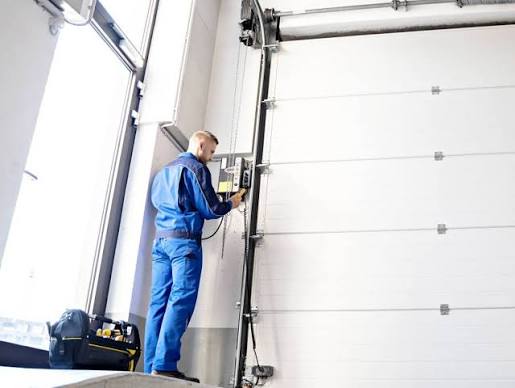
While the hardware is a significant portion of the expense, professional installation ensures safety and proper calibration. According to recent home improvement data, professional labor for garage door opener installation averages $150 to $300.
This fee generally covers:
- Safely unboxing and assembling the new opener.
- Mounting the motor unit to the ceiling joists or wall.
- Installing and aligning the safety reversal sensors (a critical legal and safety requirement).
- Wiring the wall console and testing the automatic reversal mechanism.
Pro Tip: Always request a detailed, itemized quote from at least three licensed local contractors to ensure you are getting a fair market rate.
Smart Garage Door Openers: Are They Worth the Extra Cost?
Upgrading to a smart garage door opener is no longer just a luxury; it is a practical security enhancement. For an additional $50 to $150, you gain features like:
- Remote Monitoring: Check if your garage door is closed from anywhere in the world via your smartphone.
- Temporary Access: Grant digital access to dog walkers or delivery drivers without handing over a physical remote.
- Integration: Sync with smart home ecosystems like Amazon Alexa, Google Home, or Apple HomeKit.
Given the relatively low upfront cost compared to the security and convenience provided, smart openers offer an excellent return on investment for most US homeowners.
DIY vs. Professional Installation: A Quick Comparison
Some homeowners consider installing the opener themselves to save on labor costs. However, garage doors are the largest moving objects in a home, and improper installation can lead to severe safety hazards.
| Feature | DIY Installation | Professional Installation |
|---|---|---|
| Estimated Cost | $300 – $600 (Parts only) | $450 – $900 (Parts + Labor) |
| Time Required | 4 to 6 hours (for beginners) | 2 to 3 hours (experienced tech) |
| Safety Risk | High (heavy lifting, electrical wiring) | Low (handled by trained experts) |
| Warranty | May be voided if installed incorrectly | Fully protected by labor warranty |
| Tools Needed | Drill, wrenches, ladder, level, helper | All specialized tools provided |
Verdict: Unless you have advanced DIY experience and a helper, professional installation is highly recommended for safety and warranty preservation.
Step-by-Step Guide to Preparing for Installation
If you are hiring a professional, proper preparation can speed up the process and prevent delays. Follow these concrete steps before the technician arrives:
- Clear the Workspace: Remove all vehicles, bicycles, and storage items from at least a 6-foot by 6-foot area directly beneath the existing garage door track.
- Verify Power Supply: Ensure there is a standard 120-volt electrical outlet installed on the ceiling or high on the back wall of the garage. If not, you may need to hire an electrician beforehand (costing an additional $150–$250).
- Check Ceiling Clearance: Measure the space between the top of the garage door and the ceiling. You need a minimum of 10 to 12 inches of clearance for a standard overhead opener, or 4 to 6 inches for a wall-mounted jackshaft opener.
- Inspect the Existing Door: Manually open and close the garage door. It should move smoothly without binding. If the springs or tracks are damaged, the technician will need to repair them first, which will adjust the final quote.
For a deeper historical and technical understanding of how these systems evolved, you can explore the comprehensive background on garage doors.
Frequently Asked Questions (FAQ)
Q1: How much does labor cost to install a garage door opener?
A: Professional labor typically ranges from $150 to $300. This covers the physical mounting, electrical connection, sensor alignment, and safety testing of the new unit.
Q2: Can I install a garage door opener myself?
A: Yes, it is possible if you are highly comfortable with power tools, electrical wiring, and working on a ladder. However, because garage doors are heavy and under high tension, professional installation is strongly advised to avoid injury and ensure the safety sensors function correctly.
Q3: How long does it take to install an automatic garage door?
A: A professional technician can usually complete the installation in 2 to 3 hours. A DIY installation for a first-timer may take 4 to 6 hours, especially if assembling the rail and mounting brackets from scratch.
Q4: Does installing an automatic garage door increase home value?
A: Yes. While it may not drastically spike the appraisal value, an updated, quiet, and smart-enabled garage door opener significantly boosts curb appeal and buyer confidence. It is often highlighted as a modern convenience in real estate listings.
Q5: What is the lifespan of an automatic garage door opener?
A: With proper maintenance, a high-quality garage door opener will last between 10 to 15 years. Belt-drive and direct-drive models often outlast chain-drive models due to reduced friction and wear.
Conclusion
Understanding how much does it cost to install automatic garage doors empowers you to budget effectively and choose the right system for your household. Whether you opt for a budget-friendly chain-drive model or a premium, Wi-Fi-enabled belt-drive system, the investment pays off in daily convenience, enhanced security, and peace of mind.
Remember to prioritize professional installation to ensure your family’s safety and to keep your manufacturer’s warranty intact.
Found this guide helpful? Share it with your friends and family on Facebook, Twitter, or Pinterest to help them make informed home improvement decisions too!
Leave a Reply