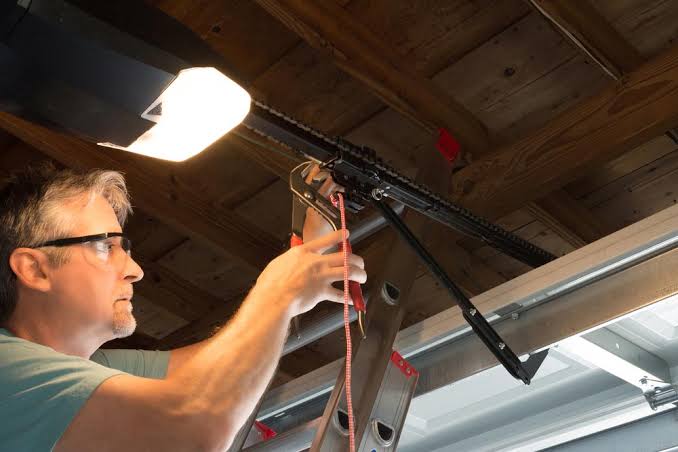
Have you ever struggled with a heavy manual garage door, especially when your hands are full of groceries or during a rainstorm? You are not alone. Many homeowners are upgrading to automated systems for convenience, security, and increased property value. If you are considering this upgrade, you are likely asking, “How much does it cost to install automatic garage door?” This guide breaks down every expense so you can plan your budget with confidence.
Understanding the Total Installation Cost
The short answer is that installing an automatic garage door typically costs between $1,200 and $4,500. However, this wide range depends on several variables, including the type of opener, the condition of your existing door, and labor rates in your area.
It is crucial to distinguish between installing a new garage door with an automatic mechanism versus retrofitting an existing manual door with an opener. Most homeowners opt for the latter, which is significantly cheaper.
| Component | Average Cost Range |
|---|---|
| Basic Chain-Drive Opener | $150 – $300 |
| Mid-Range Belt-Drive Opener | $300 – $600 |
| Premium Smart/Wi-Fi Opener | $500 – $900+ |
| Professional Labor | $150 – $400 |
| Additional Hardware/Sensors | $50 – $150 |
| Total Estimated Cost | $1,200 – $4,500 |
Note: Prices are estimates based on national averages for 2026. Local variations may apply.
What Factors Influence the Price of Automatic Garage Door Installation?
When calculating how much does it cost to install automatic garage door, you must consider these key factors:
1. Type of Garage Door Opener
The motor mechanism is the heart of the system. There are four main types:
- Chain-Drive: The most affordable and durable but also the noisiest. Ideal for detached garages.
- Belt-Drive: Quieter than chain-drive due to rubber belts. Great for garages attached to living spaces.
- Screw-Drive: Fewer moving parts mean less maintenance. Performance can vary with temperature changes.
- Direct-Drive (Jackshaft): Mounted on the wall beside the door, saving ceiling space. Typically the most expensive option.
2. Horsepower (HP) Requirements
Heavier doors (like solid wood or insulated steel) require more power.
- ½ HP: Suitable for single, lightweight aluminum or thin steel doors.
- ¾ HP: The standard for most double-car garage doors.
- 1+ HP: Necessary for heavy wooden doors or high-use commercial settings.
3. Smart Features and Connectivity
Modern openers often come with Wi-Fi connectivity, allowing you to control the door via smartphone apps. While convenient, these smart garage door openers add $100–$300 to the initial cost. They also enable integration with home security systems and voice assistants like Alexa or Google Home.
4. Labor and Professional Installation
While DIY installation is possible, professional installation ensures safety and warranty validity. Labor costs vary by region. In high-cost-of-living areas like California or New York, expect to pay more for certified technicians. According to industry standards, professional installation usually takes 2–4 hours.
DIY vs. Professional Installation: Which Is Better?
Many homeowners wonder if they can save money by installing the opener themselves. Let’s compare the two approaches.
DIY Installation
- Pros: Saves $150–$400 in labor costs. Provides a sense of accomplishment.
- Cons: Risk of improper alignment, which can damage the door or opener. Voided warranties if installed incorrectly. Safety hazards involving high-tension springs.
- Best For: Handy individuals with experience in basic electrical work and mechanical assembly.
Professional Installation
- Pros: Expertise in handling heavy components and tension springs. Warranty protection on both parts and labor. Faster completion time.
- Cons: Higher upfront cost.
- Best For: Most homeowners, especially those with complex door systems or limited technical skills.
Expert Insight: “Garage doors are the largest moving object in most homes. Incorrect installation can lead to serious injury or property damage. Always prioritize safety over savings.” — International Door Association (IDA)
For more detailed safety guidelines, you can refer to the U.S. Consumer Product Safety Commission resources on garage door safety. (Note: External link to authoritative source)
Step-by-Step Overview of the Installation Process
If you hire a professional, here is what you can expect during the installation process:
- Assessment: The technician evaluates your existing door’s balance, spring tension, and track alignment.
- Removal of Old Hardware: If replacing an old opener, it is safely disconnected and removed.
- Mounting the Motor Unit: The new opener is secured to the ceiling joists using sturdy brackets.
- Installing the Rail: The drive rail is attached to the motor and connected to the door trolley.
- Electrical Wiring: The unit is plugged into a grounded outlet. Safety sensors are installed near the floor on both sides of the door.
- Programming and Testing: Remote controls and keypads are synced. The force limits and travel distances are adjusted to ensure smooth operation.
- Safety Check: The auto-reverse feature is tested to ensure the door stops and reverses if it encounters an obstacle.
Common Mistakes to Avoid When Budgeting
To avoid unexpected expenses, keep these pitfalls in mind:
- Ignoring Door Condition: If your existing door is unbalanced or has worn rollers, the new opener will strain and fail prematurely. Budget for minor door repairs first.
- Underestimating Electrical Needs: Older garages may lack nearby outlets. Adding an electrical circuit can cost $150–$300.
- Choosing the Cheapest Option: Low-quality openers often have shorter lifespans (5–7 years) compared to premium models (10–15 years).
FAQ Section
Q1: How long does it take to install an automatic garage door opener?
A professional installation typically takes 2 to 4 hours. DIY installations may take a full day for beginners, especially if troubleshooting is required.
Q2: Can I install an automatic opener on any garage door?
Most sectional garage doors can be automated. However, one-piece tilt-up doors may require specific jackshaft openers. A technician can assess compatibility during a consultation.
Q3: Do I need a permit to install a garage door opener?
In most U.S. jurisdictions, replacing or installing a garage door opener does not require a building permit. However, if you are installing a new electrical circuit, a permit may be necessary. Check with your local building department.
Q4: How often should I maintain my automatic garage door?
Annual maintenance is recommended. This includes lubricating moving parts, testing safety sensors, and checking spring tension. Regular maintenance extends the lifespan of your opener and prevents costly repairs.
Q5: What is the average lifespan of an automatic garage door opener?
With proper maintenance, a quality garage door opener lasts 10 to 15 years. Chain-drive models may wear out faster due to friction, while belt-drive and direct-drive models tend to last longer.
Q6: Are smart garage door openers secure?
Reputable brands use encryption protocols (like rolling code technology) to prevent hacking. Ensure you change default passwords and keep the firmware updated to maintain security.
Conclusion
Understanding how much does it cost to install automatic garage door empowers you to make an informed decision. While the initial investment ranges from $1,200 to $4,500, the benefits of convenience, security, and increased home value are substantial. Whether you choose a basic chain-drive model or a premium smart opener, prioritizing professional installation and regular maintenance will ensure years of reliable service.
Ready to upgrade your home? Share this guide with friends and family who are considering the same improvement! Don’t forget to follow us on social media for more home improvement tips and exclusive deals.
Leave a Reply