Replacing a broken garage door spring is one of those household emergencies that can stop your day in its tracks. You press the button, hear a loud bang, and suddenly your heavy door is stuck shut. It is frustrating, potentially dangerous, and leaves you wondering about the immediate financial impact. If you are asking how much does it cost to change garage door springs, you are not alone; this is a common concern for homeowners across the US who want to balance safety, quality, and budget.
In this guide, we will break down the exact costs, explain why prices vary, and help you decide whether to tackle this job yourself or call a professional. By the end, you will have a clear understanding of what to expect from local service providers and how to avoid overpaying.
Understanding the Average Cost Range
The short answer to “how much does it cost to change garage door springs” is that most homeowners pay between $150 and $350 for a standard replacement. However, this figure can fluctuate based on several critical factors, including your location, the type of spring, and the weight of your door.
For a typical single-car garage with a standard torsion spring system, the average cost sits around $200 to $250. This usually includes the price of the new springs, labor, and any necessary hardware adjustments. For larger double-car garages or heavier wooden doors, the cost can rise to $400 or more because these doors require heavier-duty springs that are more expensive to manufacture and install.
It is important to note that these prices are estimates for 2026. Inflation and supply chain dynamics can cause minor variations, but the labor component remains the most significant part of the bill. A professional technician typically spends 30 to 60 minutes on the job, but their hourly rate reflects the high-risk nature of the work.
Torsion Springs vs. Extension Springs: Price Differences
Not all garage door springs are created equal. The two main types are torsion springs and extension springs, and they differ significantly in cost, lifespan, and installation complexity.
Torsion Springs
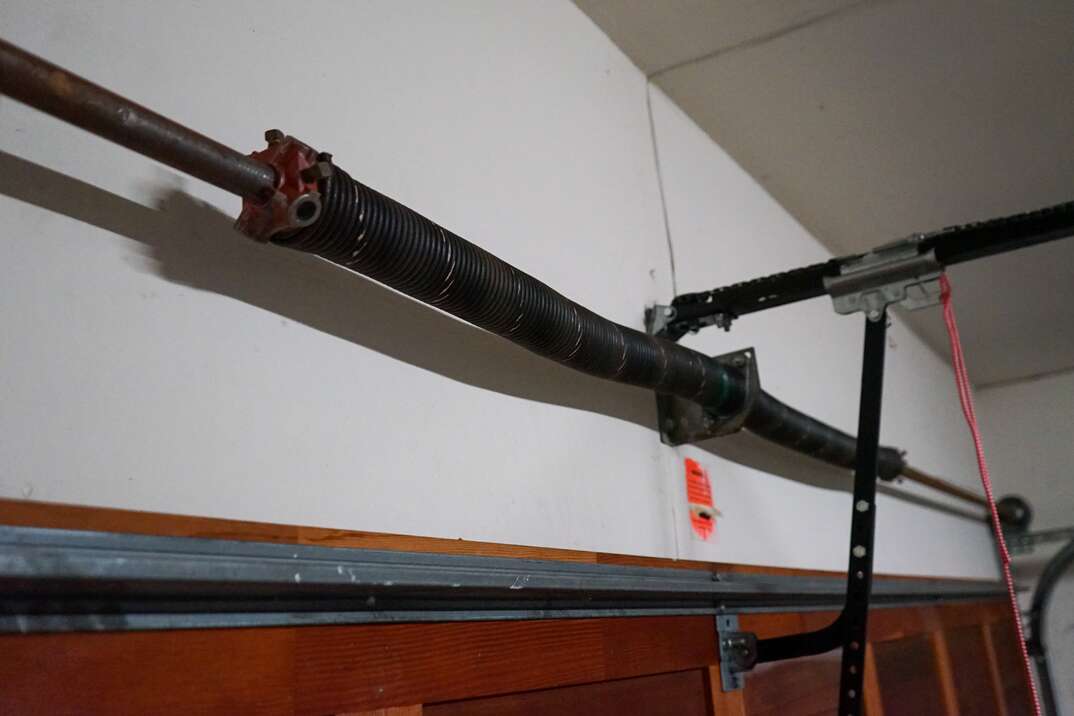
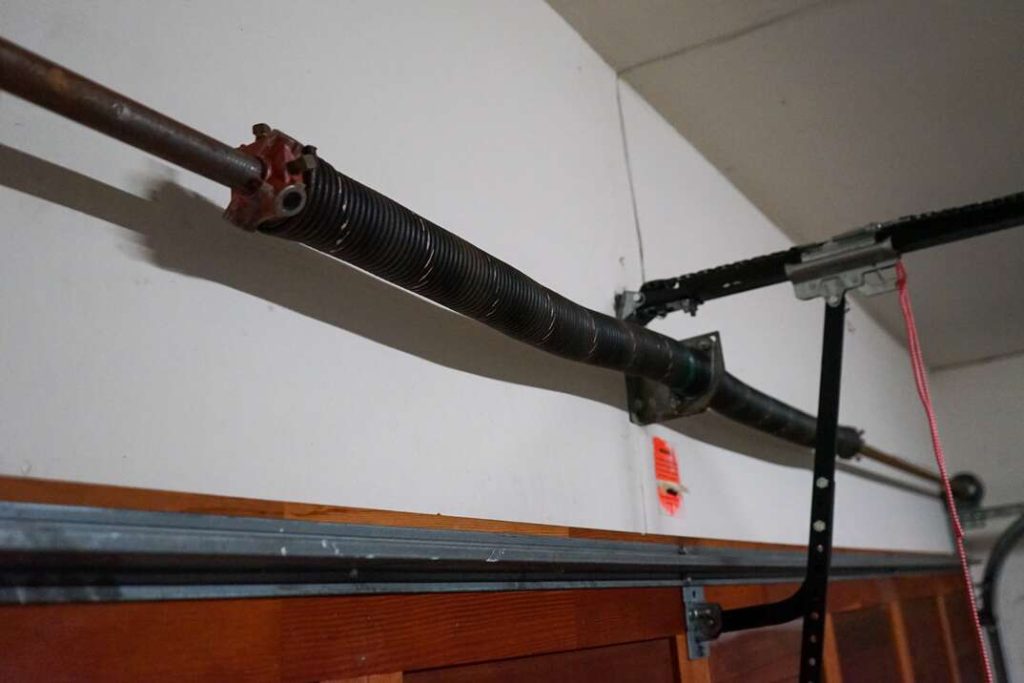
Torsion springs are mounted horizontally above the garage door opening. They are wound tightly to store energy, which lifts the door when released.
- Cost: Generally more expensive, ranging from $200 to $350 installed.
- Lifespan: Last longer, typically 15,000 to 20,000 cycles (one cycle is one open/close).
- Safety: Considered safer because they are contained within a metal shaft, reducing the risk of flying debris if they break.
Extension Springs
Extension springs are located on both sides of the door, running parallel to the horizontal tracks. They stretch to lift the door.
- Cost: Cheaper upfront, usually $150 to $250 installed.
- Lifespan: Shorter lifespan, around 10,000 cycles.
- Safety: Higher risk. If an extension spring breaks without a safety cable, it can snap back violently, causing property damage or injury.
| Feature | Torsion Springs | Extension Springs |
|---|---|---|
| Average Installed Cost | $200 – $350 | $150 – $250 |
| Location | Above door header | Sides of door tracks |
| Durability | High (15k-20k cycles) | Moderate (10k cycles) |
| Installation Difficulty | High (Professional recommended) | Moderate (DIY possible with caution) |
If you are looking for long-term value, torsion springs are often the better investment despite the higher initial cost. They provide smoother operation and require less frequent replacement.
Why Professional Installation Costs More
You might wonder why a 30-minute job costs so much. The answer lies in the extreme danger associated with garage door springs. These components are under immense tension—enough to lift hundreds of pounds of steel and wood.
According to safety guidelines, a broken spring can release energy equivalent to a small explosion. Professional technicians undergo rigorous training to handle this tension safely using specialized tools like winding bars and clamps. When you hire a pro, you are paying for:
- Liability Insurance: Protection in case of accidents.
- Specialized Tools: Proper winding bars and vice grips.
- Expertise: Correctly calculating the spring weight and size for your specific door.
- Warranty: Most reputable companies offer a 1- to 5-year warranty on parts and labor.
Attempting to save money by ignoring these factors can lead to severe injuries or further damage to your garage door opener and tracks. For more information on garage door mechanics and safety standards, you can refer to general engineering principles outlined on Wikipedia.
DIY vs. Hiring a Pro: Is It Worth the Risk?
Many homeowners consider replacing garage door springs themselves to save money. While it is technically possible, it is strongly discouraged for torsion springs due to the high risk of injury.
The DIY Approach
- Cost: $50 to $100 for parts only.
- Risk: Extremely high for torsion springs; moderate for extension springs.
- Time: 2–4 hours for a first-timer.
- Tools Needed: Winding bars, socket set, ladder, clamps.
The Professional Approach
- Cost: $150 to $350.
- Risk: Minimal (handled by trained techs).
- Time: 30–60 minutes.
- Benefits: Warranty, safety, correct sizing.
If you have extension springs and feel confident in your mechanical abilities, you might save roughly $100 by doing it yourself. However, ensure you install safety cables if they are not already present. For torsion springs, the consensus among experts is clear: hire a professional. The potential medical bills from an accident far outweigh the savings on labor.
Factors That Influence Replacement Costs
Several variables can cause the final bill to deviate from the average. Understanding these can help you budget more accurately.
- Door Weight and Size: Heavier doors (solid wood or insulated steel) require stronger, more expensive springs.
- Spring Cycle Rating: Standard springs last 10,000 cycles. High-cycle springs (25,000+ cycles) cost 20–30% more but last twice as long.
- Geographic Location: Labor rates in urban areas like New York or San Francisco are higher than in rural regions.
- Emergency Service Fees: If you need a repair on a weekend, holiday, or after hours, expect to pay an additional $50 to $100 in emergency fees.
- Additional Repairs: Often, a broken spring puts stress on other components. Technicians may recommend replacing rollers, cables, or hinges at the same time, which adds to the total cost.
Step-by-Step: What to Expect During a Professional Visit
Knowing the process can help you feel more comfortable when hiring a technician. Here is what typically happens:
- Inspection: The technician arrives and inspects the door, springs, cables, and opener to confirm the issue.
- Quote: They provide a written estimate including parts and labor.
- Safety Setup: They secure the door in the open position using clamps to release tension safely.
- Removal: The old, broken springs are unwound and removed.
- Installation: New springs are installed and wound to the correct tension based on the door’s weight.
- Testing: The door is cycled several times to ensure smooth operation and balance.
- Cleanup: Old parts are removed, and the area is tidied up.
The entire process is efficient, and most technicians will also lubricate moving parts as part of the service, extending the life of your new springs.
Frequently Asked Questions (FAQ)
How long do garage door springs last?
Most standard garage door springs last between 7 to 10 years, depending on usage. If you open and close your door multiple times a day, they may wear out sooner. High-cycle springs can last up to 15 years.
Can I replace just one spring?
It is highly recommended to replace both springs at the same time. Since they were installed together and have undergone the same wear and tear, the second spring is likely to fail soon after the first. Replacing both saves you from paying for another service call in the near future.
What are the signs that my garage door springs are breaking?
Look for these warning signs:
- A loud bang from the garage.
- The door feels extremely heavy when lifted manually.
- The door opens only a few inches and stops.
- Visible gaps in the torsion spring coils.
Is it safe to drive my car if the garage door won’t open?
If your car is trapped inside, you cannot drive it out unless you have an alternative exit. Do not attempt to force the door open manually if the springs are broken, as the door is unbalanced and could fall. Call a professional for emergency service.
How can I extend the life of my garage door springs?
Regular maintenance is key. Lubricate the springs with a silicone-based lubricant every six months. Avoid slamming the door, and ensure the door is balanced correctly. Keeping the tracks clean and aligned also reduces stress on the springs.
Conclusion
Understanding how much does it cost to change garage door springs empowers you to make informed decisions when faced with this common household issue. With average costs ranging from $150 to $350, the investment ensures your safety and restores convenience to your daily routine.
While DIY options exist for extension springs, the risks associated with torsion springs make professional installation the wisest choice for most homeowners. Remember to ask for warranties, consider high-cycle springs for long-term savings, and never ignore the warning signs of wear.
If you found this guide helpful, please share it with your friends and neighbors on social media. Helping others stay informed about home maintenance safety is a great way to build a stronger community. Stay safe, and keep your garage door running smoothly!
Leave a Reply