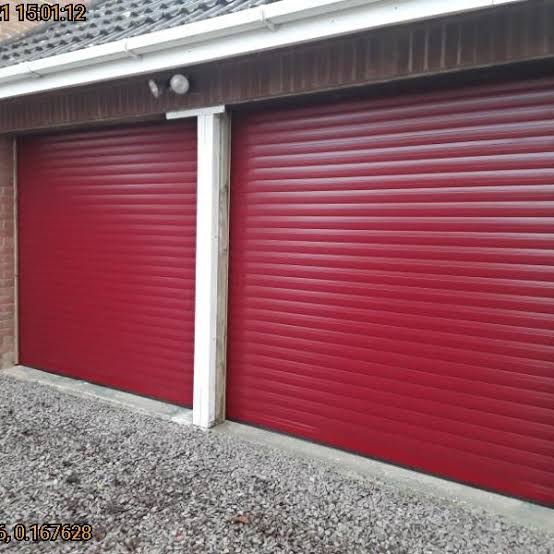
Replacing a worn-out or damaged entry point is one of the most impactful home improvements you can make. It enhances curb appeal, improves security, and boosts energy efficiency. If you are wondering how much does it cost for a garage door, you are not alone; this is a common question for homeowners looking to balance quality with budget.
This guide breaks down every expense, from the basic steel models to high-end custom wood options, ensuring you have all the data needed to make an informed decision in 2026.
Understanding the Average Garage Door Costs
The price of a new garage door varies significantly based on material, size, style, and insulation. In 2026, the national average for a standard single-car garage door replacement ranges between $1,200 and $4,500, including professional installation.
For a double-car garage door, expect to pay between $2,500 and $7,500. These figures include the door itself, hardware, tracks, and labor. However, luxury materials or smart-home integrated systems can push costs above $10,000.
Breakdown by Material Type
The material you choose is the biggest factor in determining the final price. Here is a quick comparison of the most popular options:
| Material | Average Cost (Single Car) | Pros | Cons |
|---|---|---|---|
| Steel | $1,200 – $3,500 | Durable, low maintenance, affordable | Prone to dents, can rust if scratched |
| Aluminum | $1,500 – $4,000 | Rust-proof, lightweight, modern look | Dents easily, less insulating |
| Wood | $3,000 – $10,000+ | Beautiful, natural aesthetic, customizable | High maintenance, prone to warping/rot |
| Fiberglass | $2,000 – $4,500 | Resists salt air, mimics wood grain | Can crack in extreme cold, fades over time |
| Vinyl | $1,800 – $4,000 | Extremely durable, dent-resistant | Limited color options, heavy |
Note: Prices include standard installation. Custom sizes or intricate designs will increase these estimates.
What Factors Influence the Final Price?
Beyond the material, several variables can cause the price tag to fluctuate. Understanding these helps you avoid unexpected bills during the project.
1. Insulation and R-Value
If your garage is attached to your home or used as a workspace, insulation is crucial. Insulated doors have a higher R-value (resistance to heat flow).
- Non-insulated (R-0 to R-4): Cheapest option, best for detached garages.
- Moderately Insulated (R-6 to R-12): Good for attached garages in mild climates.
- Highly Insulated (R-13 to R-19+): Essential for extreme weather conditions and energy savings.
Adding insulation typically adds $200 to $500 to the total cost but can lower your energy bills significantly.
2. Size and Style
Standard single doors are usually 8×7 feet or 9×7 feet. Double doors are typically 16×7 feet. Non-standard sizes require custom ordering, which increases lead time and cost. Additionally, styles like carriage-house doors with decorative windows or hardware add $500 to $1,500 to the base price.
3. Labor and Installation Complexity
Professional installation is highly recommended due to the high tension of garage door springs. Labor costs typically range from $300 to $800. If your existing tracks or opener need replacement, or if structural repairs are needed to the frame, labor costs will rise.
DIY vs. Professional Installation: Is It Worth It?
Many homeowners ask if they can save money by installing the door themselves. While a DIY approach might save you the $300–$800 labor fee, it comes with significant risks.
Why Professionals Are Recommended:
- Safety: Garage door springs are under extreme tension. Incorrect handling can cause severe injury or property damage.
- Warranty: Most manufacturers void the warranty if the door is not installed by a certified professional.
- Precision: Proper alignment ensures smooth operation and longevity. Misaligned tracks wear out rollers and motors quickly.
According to industry experts, the risk of injury and potential voided warranties make professional installation the smarter financial choice in the long run. For more details on safety standards, you can refer to the Consumer Product Safety Commission guidelines regarding garage door openers and safety mechanisms.
Hidden Costs to Watch Out For
When budgeting for “how much does it cost for a garage door,” do not forget these potential additional expenses:
- Old Door Removal: Some companies charge $50–$100 to haul away your old door. Always ask if this is included in the quote.
- Permits: Certain municipalities require permits for structural changes. Check local regulations; fees usually range from $50 to $200.
- Smart Openers: Upgrading to a Wi-Fi-enabled opener with battery backup adds $200–$500.
- Reinforcement: If you are installing a heavy wood door, you may need reinforced struts or heavier-duty springs, adding $100–$300.
Step-by-Step Guide to Budgeting for Your New Door
To ensure you get the best value, follow these steps:
- Measure Accurately: Measure the width and height of your current opening. Note the headroom and side room available.
- Choose Your Material: Decide between steel, wood, or composite based on your climate and aesthetic preference.
- Select Insulation Level: Determine if you need thermal protection based on your garage usage.
- Get Multiple Quotes: Contact at least three licensed installers. Ask for itemized quotes that separate material and labor.
- Check Reviews: Look for companies with high ratings on BBB or Google Reviews to ensure reliability.
- Ask About Warranties: Ensure you understand both the manufacturer’s warranty on the door and the installer’s warranty on labor.
Frequently Asked Questions (FAQ)
How long does a garage door last?
Most steel garage doors last 15 to 30 years with proper maintenance. Wood doors may last 10–20 years depending on how well they are sealed and maintained against weather elements.
Can I install a new door on old tracks?
It is generally not recommended. New doors come with new tracks and hardware designed specifically for that model. Using old tracks can lead to misalignment, noise, and premature failure of the new door.
Does a new garage door increase home value?
Yes. According to real estate studies, a new garage door offers one of the highest returns on investment (ROI) for home improvements, often recouping 85% to 95% of its cost in increased home value due to improved curb appeal.
How often should I maintain my garage door?
You should perform a basic visual inspection monthly and lubricate moving parts (rollers, hinges, springs) every 6 months. A professional tune-up is recommended once a year to check spring tension and cable integrity.
What is the cheapest way to replace a garage door?
The most cost-effective option is a non-insulated, single-layer steel door in a standard size. Choosing a plain design without windows or decorative hardware also keeps costs down. However, consider the long-term energy savings of insulation before opting for the cheapest model.
Leave a Reply