Is your garage door stuck halfway, leaving your car trapped inside? Dealing with a broken spring is incredibly frustrating, and you are probably wondering how much does it cost for a garage door spring to get things moving again. Don’t worry, we are here to break down the exact costs, hidden fees, and smart ways to save on your repair.
How Much Does It Cost For A Garage Door Spring?
When you start researching, you will quickly realize that the price depends heavily on the type of spring you have. On average, homeowners spend between $150 and $350 for the spring itself, while professional labor adds another $200 to $300.
Let’s look at the two main types of springs and their specific price ranges.
Torsion Springs vs. Extension Springs
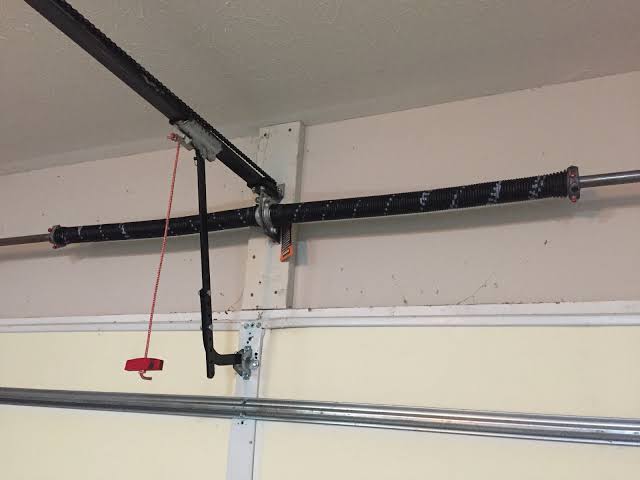
- Torsion Springs: These are mounted horizontally above the door. They are more durable and provide smoother operation, but they cost more. Expect to pay $150 to $350 for parts alone.
- Extension Springs: These sit parallel to the ceiling tracks on both sides of the door. They are cheaper, usually ranging from $50 to $150 for parts, but they wear out faster.
| Spring Type | Average Part Cost | Average Labor Cost | Total Estimated Cost |
|---|---|---|---|
| Torsion Spring | $150 – $350 | $200 – $300 | $350 – $650 |
| Extension Spring | $50 – $150 | $150 – $200 | $200 – $350 |
What Factors Affect the Final Garage Door Spring Price?
Several variables can push your final bill higher or lower. Understanding these will help you budget accurately.
- Door Size and Weight: A heavy, insulated double-car door requires thicker, heavier-duty springs. These custom-sized springs cost significantly more than standard single-door springs.
- Spring Cycle Rating: Standard springs are rated for 10,000 cycles. If you upgrade to premium springs rated for 100,000 cycles, you will pay more upfront but save money in the long run.
- Geographic Location: Labor rates vary wildly. Hiring a technician in major US cities like New York or San Francisco will cost much more than in rural Midwest areas.
According to a 2025 home repair industry study, the national average for a complete spring replacement is $250 to $400. However, extreme cases involving custom wooden doors can easily exceed $600.
Should You DIY or Hire a Professional?
Many homeowners ask if they can save money by doing it themselves. Here is a quick look at the pros and cons to help you decide.
Pros vs. Cons: DIY vs. Professional Installation
| Feature | DIY Installation | Professional Installation |
|---|---|---|
| Cost | $50 – $350 (Parts only) | $200 – $600 (Parts + Labor) |
| Safety | High risk of severe injury | 100% safe, handled by experts |
| Time Required | 2 to 4 hours | 30 to 60 minutes |
| Warranty | None on labor | 1 to 5 years on parts and labor |
Expert Insight: “Garage door springs are under extreme tension. A snapping torsion spring can release enough kinetic force to cause serious injury or even be fatal. Always prioritize safety over saving a few bucks.” — Mike Davis, Certified Garage Door Technician with 15 years of experience.
Because of the extreme danger, we highly recommend hiring a licensed professional. If you want to understand the mechanical physics behind how these systems store and release energy, you can read more about the physical principles of torsion springs on Wikipedia.
Step-by-Step: What Happens During a Professional Replacement?
If you decide to hire a pro, here is exactly what you should expect during the service call. Knowing the process helps you ensure the job is done correctly.
- Safety Inspection (10 Minutes): The technician will disconnect the garage door opener and lock the door tracks with clamps to prevent any accidental movement.
- Releasing the Tension (15 Minutes): For torsion springs, they use specialized solid steel winding bars to safely unwind the tension. Never attempt this without proper steel bars; standard screwdrivers can bend, slip, and cause severe injury.
- Removing the Old Spring (10 Minutes): The broken spring is unmounted from the center bracket and safely disposed of.
- Installing the New Spring (20 Minutes): The new spring is slid onto the torsion tube and secured tightly with set screws.
- Winding and Testing (15 Minutes): The technician uses winding bars to apply the exact number of quarter-turns required for your specific door height. They will then test the door’s balance by lifting it manually to the halfway point. If it stays perfectly in place, the tension is correct.
How to Extend the Lifespan of Your New Spring
Once you have paid for a replacement, you want it to last as long as possible. Here are three quick maintenance tips to maximize your investment.
- Lubricate Regularly: Apply a silicone-based lubricant or white lithium grease to the springs every six months. Avoid standard WD-40, as it attracts dust and grime, which can cause premature wear.
- Check the Balance: Once a month, disconnect the opener and lift the door manually. It should lift smoothly with minimal effort and stay open at chest height. If it slams shut, your springs are losing tension.
- Keep Tracks Clean: Wipe down the metal tracks with a damp cloth to prevent debris from straining the spring system and the opener motor.
Frequently Asked Questions (FAQ)
1. How much does it cost for a garage door spring if I replace both? Most professionals strongly recommend replacing both springs at the same time, even if only one is broken. If you replace both, expect to pay between $300 and $500 for parts and labor. This ensures the door remains perfectly balanced and prevents the second spring from breaking a month later.
2. Can I claim a broken garage door spring on my home insurance? Generally, no. Homeowners insurance typically covers sudden, accidental damage like a fallen tree or fire. However, it considers broken springs to be standard wear and tear. You will likely have to pay out of pocket for the repair.
3. How long do garage door springs usually last? A standard torsion spring is rated for about 10,000 cycles (one cycle equals opening and closing the door). For an average family that uses the door four times a day, this translates to roughly 7 to 9 years of daily use before it breaks.
4. What are the warning signs of a failing garage door spring? You might notice the door is unusually heavy to lift manually. You may also hear a loud “bang” from the garage when the spring snaps, or see a visible gap in the metal spring coil. Another sign is if the door only opens a few inches before reversing.
5. Is it cheaper to repair or replace the entire garage door? Replacing the springs is almost always cheaper than buying a new door. A full garage door replacement can cost anywhere from $800 to $3,000, whereas a spring replacement is a fraction of that cost. Always opt for repair unless the door panels themselves are severely damaged.
Conclusion
Dealing with a broken spring is a major headache, but knowing how much does it cost for a garage door spring helps you avoid overpaying and make smart decisions. By understanding the difference between torsion and extension springs, and recognizing the immense value of professional installation, you can get your garage running smoothly again without breaking the bank.
Remember, safety should always come first when dealing with high-tension garage parts. If you found this guide helpful, please share it on your social media to help your friends and family avoid costly repair mistakes!
Leave a Reply