Is your garage door refusing to open, or does it slam shut with a terrifying bang? A broken spring is likely the culprit, and knowing how much does a spring on a garage door cost can help you budget for this urgent repair without stress. In this guide, we break down current 2026 pricing, types of springs, and whether you should tackle this job yourself or call a professional.
Understanding Garage Door Springs: Torsion vs. Extension
Before diving into costs, it is crucial to understand which type of spring your garage door uses. The two main types are torsion springs and extension springs, and they differ significantly in price, lifespan, and safety requirements.
Torsion Springs
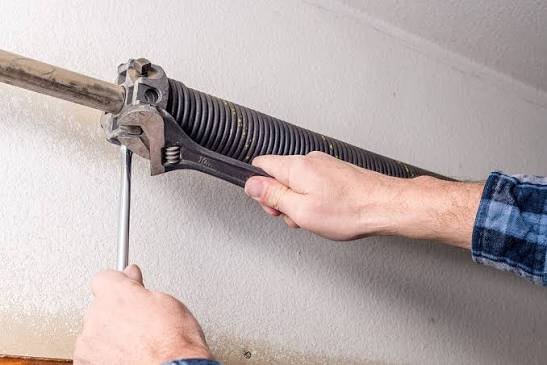
Torsion springs are mounted horizontally above the garage door opening on a metal shaft. They work by twisting (torque) to lift the heavy door. These are more common in modern homes because they are safer, last longer, and provide smoother operation.
- Average Cost: $150–$350 per spring (parts only).
- Lifespan: 15,000–20,000 cycles (approx. 7–10 years).
- Safety Risk: High. These springs are under extreme tension and can cause severe injury if handled incorrectly.
Extension Springs
Extension springs are located on both sides of the door, running parallel to the horizontal tracks. They stretch to counterbalance the door’s weight. While cheaper upfront, they are generally considered less safe and have a shorter lifespan.
- Average Cost: $50–$100 per spring (parts only).
- Lifespan: 10,000–15,000 cycles (approx. 5–7 years).
- Safety Risk: Moderate to High. If they snap, they can fly across the garage unless secured with safety cables.
Pro Tip: Most professionals recommend replacing springs in pairs, even if only one is broken. This ensures balanced lifting and prevents the older spring from failing shortly after.
Breakdown: How Much Does a Spring on a Garage Door Cost?
When asking how much does a spring on a garage door cost, you must consider both parts and labor. Prices vary based on your location, the weight of your door, and the quality of the spring.
Parts Cost Only
| Spring Type | Single Spring Cost | Pair Cost | Lifespan (Cycles) |
|---|---|---|---|
| Standard Torsion | $150 – $250 | $300 – $500 | 10,000 |
| High-Cycle Torsion | $200 – $350 | $400 – $700 | 25,000+ |
| Extension Spring | $50 – $100 | $100 – $200 | 10,000 |
Note: High-cycle springs are worth the investment if you use your garage door frequently (e.g., more than 4 times a day).
Labor Costs
Labor typically accounts for 50–60% of the total bill. Most technicians charge a flat rate for spring replacement rather than an hourly fee.
- Average Labor Cost: $100–$200.
- Service Call Fee: $50–$100 (often waived if you proceed with the repair).
- Total Professional Cost: Expect to pay $250–$500 for a complete torsion spring replacement (parts + labor). For extension springs, the total is usually $150–$300.
According to industry standards, the complexity of the job—such as dealing with double-car doors or heavy wooden doors—can push prices toward the higher end of these ranges. For more technical details on spring mechanics, you can refer to Wikipedia’s entry on torsion springs.
Factors That Influence Garage Door Spring Prices
Several variables can affect the final quote you receive from a garage door company. Understanding these can help you avoid unexpected charges.
1. Door Weight and Size
Heavier doors (like solid wood or insulated steel) require stronger, thicker springs. These custom-sized springs cost more than standard ones used for lightweight aluminum doors.
2. Cycle Life Rating
Springs are rated by “cycles,” where one cycle equals one opening and one closing.
- Standard (10,000 cycles): Cheaper but may need replacement every 5–7 years.
- High-Cycle (25,000+ cycles): More expensive upfront but lasts 2–3 times longer. This is often the best value long-term.
3. Geographic Location
Labor rates vary by region. Homeowners in major metropolitan areas like New York or San Francisco will pay more for labor compared to those in rural areas.
4. Emergency Service
If your door breaks on a weekend, holiday, or late at night, expect to pay an emergency surcharge of $50–$100 on top of the standard rate.
DIY vs. Professional Replacement: Is It Worth the Risk?
Many homeowners ask if they can save money by replacing the spring themselves. While a DIY approach might save $100–$150 in labor, it comes with significant risks.
The Dangers of DIY Spring Replacement
Garage door springs are under immense tension—enough to lift hundreds of pounds. If a torsion spring slips off its winding cone during installation, it can release energy violently, potentially causing:
- Severe hand or finger injuries.
- Broken bones.
- Damage to property or vehicles.
Extension springs are slightly easier to handle but still require careful removal of safety cables and proper re-tensioning.
When to Call a Pro
You should definitely hire a professional if:
- You have torsion springs.
- You lack specialized tools (winding bars, vice grips, clamps).
- You are unsure about the correct spring size (wire size, inner diameter, length).
- Your door is heavy or part of a double-car setup.
Safety First: The International Door Association (IDA) strongly advises against untrained individuals attempting torsion spring repairs. The risk of injury far outweighs the cost savings.
Step-by-Step: What to Expect During Professional Repair
If you decide to hire a technician, here is what the process typically looks like. Knowing this can help you feel more confident and ensure the job is done correctly.
- Inspection: The technician will inspect the entire door system, including cables, rollers, and hinges, to identify any other wear and tear.
- Disconnection: The garage door opener is disconnected, and the door is secured in the open position using clamps.
- Release Tension: Using winding bars, the tech carefully releases the tension from the old torsion spring. This is the most dangerous step.
- Removal: The broken spring is removed from the shaft.
- Installation: The new spring(s) are installed. If replacing in pairs, both are swapped out.
- Winding: The new spring is wound to the correct number of turns based on the door’s weight and height.
- Testing: The door is tested manually to ensure it balances perfectly at mid-height. The opener is reconnected, and final adjustments are made.
The entire process usually takes 30–60 minutes for a skilled professional.
Maintenance Tips to Extend Spring Life
While springs will eventually fail, proper maintenance can help them reach their full lifespan expectancy.
- Lubricate Regularly: Use a silicone-based lubricant or white lithium grease on the springs every 6 months. Avoid WD-40 as it attracts dust and dries out.
- Visual Inspections: Look for gaps in torsion springs (a sign of stretching) or rust. For extension springs, check for fraying safety cables.
- Balance Test: Disconnect the opener and lift the door halfway. If it stays in place, it’s balanced. If it falls or rises, the springs may be losing tension.
- Keep Tracks Clean: Debris in the tracks puts extra strain on the springs and opener.
FAQ Section
Q1: How do I know if my garage door spring is broken?
A: Common signs include a loud “bang” noise, the door feeling extremely heavy when lifted manually, the opener struggling or failing to lift the door, or a visible gap in a torsion spring.
Q2: Can I replace just one torsion spring?
A: It is highly recommended to replace both springs if they were installed at the same time. If one breaks, the other is likely near the end of its life. Replacing both ensures balanced operation and saves you from another service call soon.
Q3: How long do garage door springs last?
A: Standard springs last about 7–10 years (10,000 cycles). High-cycle springs can last 15–20 years (25,000+ cycles). Frequent use, extreme temperatures, and lack of lubrication can shorten this lifespan.
Q4: Is it safe to use my garage door if the spring is broken?
A: No. Do not attempt to open or close the door. The opener is not designed to lift the full weight of the door without spring assistance. Forcing it can damage the opener, bend the tracks, or cause the door to fall unexpectedly.
Q5: Why are torsion springs more expensive than extension springs?
A: Torsion springs are more complex to manufacture, require precise calibration, and are generally made from higher-grade steel to handle greater torque. They also offer better safety and performance, which justifies the higher cost.
Q6: Does homeowners insurance cover broken garage door springs?
A: Typically, no. Spring failure is considered normal wear and tear, which is excluded from most standard homeowners insurance policies. However, if the spring broke due to a covered event like a storm or vandalism, it might be covered. Check with your provider.
Conclusion
Knowing how much does a spring on a garage door cost empowers you to make informed decisions when faced with this common household issue. While parts may range from $50 to $350, the total professional installation typically falls between $250 and $500. Given the high safety risks involved, especially with torsion springs, hiring a certified technician is the wisest choice for most homeowners.
Investing in high-cycle springs and regular maintenance can save you money and hassle in the long run. Don’t wait until your door is stuck—schedule a maintenance check today!
Found this guide helpful? Share it with your neighbors on Facebook or Twitter to help them prepare for unexpected garage door repairs!
Leave a Reply