Introduction
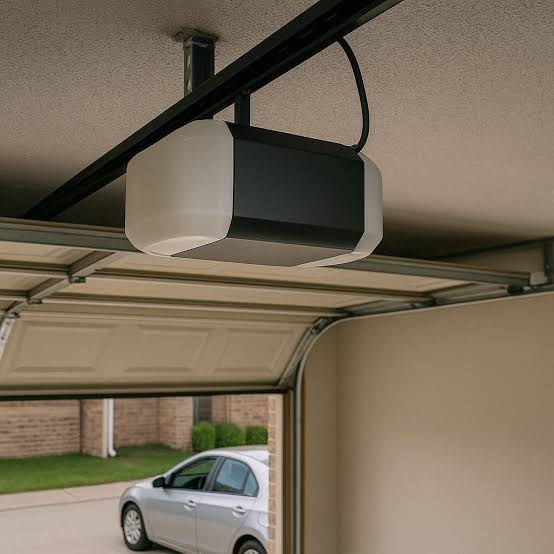
Is your old garage door opener making strange noises, struggling to lift the door, or simply refusing to work altogether? You are not alone; thousands of homeowners face this inconvenience every year, often wondering about the financial impact of a replacement. Understanding how much does a new garage door opener cost installed is the first step toward restoring convenience and security to your home without breaking the bank.
In this guide, we will break down the real costs involved in 2026, from basic chain-drive models to advanced smart systems, helping you make an informed decision that fits your budget and lifestyle.
Average Cost Breakdown: What to Expect in 2026
When planning your budget, it is essential to look at both the hardware and the labor. The total cost varies significantly based on the type of opener, the brand, and the complexity of the installation.
On average, homeowners in the United States spend between $350 and $650 for a complete garage door opener installation. However, this range can expand depending on your specific choices.
| Opener Type | Average Unit Cost | Average Installation Labor | Total Estimated Cost |
|---|---|---|---|
| Chain Drive | $150 – $250 | $150 – $250 | $300 – $500 |
| Belt Drive | $250 – $400 | $150 – $250 | $400 – $650 |
| Screw Drive | $200 – $350 | $150 – $250 | $350 – $600 |
| Direct Drive (Jackshaft) | $400 – $600 | $200 – $350 | $600 – $950 |
| Smart/Wi-Fi Enabled | $300 – $500 | $150 – $250 | $450 – $750 |
Note: Prices may vary by region and local labor rates.
Why Do Prices Vary So Much?
The primary driver of cost is the mechanism used to lift the door. Chain drives are the most affordable but also the noisiest. Belt drives offer a quieter operation, making them ideal for garages attached to living spaces. Direct drive openers, which mount on the wall rather than the ceiling, are premium options often used when ceiling space is limited or for extra-heavy doors.
Factors That Influence Installation Costs
While the base price gives you a starting point, several variables can push your final bill higher or lower. Understanding these factors helps you avoid unexpected surprises.
1. Horsepower (HP) Requirements
Not all garage doors are created equal. A standard single-car door might only need a 1/2 HP motor, while a heavy double-car wooden door may require 3/4 HP or even 1 HP. Higher horsepower units cost more upfront but ensure longevity and smoother operation for heavier doors.
2. Additional Features and Technology
Modern openers come packed with features. If you want Wi-Fi connectivity to control your door via smartphone, expect to pay a premium. Battery backup systems, which allow you to open the door during power outages, also add to the cost. According to industry standards, adding a battery backup can increase the unit price by $100 to $150.
3. Condition of Existing Hardware
If your current garage door tracks, springs, or rollers are worn out, a professional installer may recommend replacing them simultaneously. This is not just an upsell; it ensures the new opener doesn’t strain against faulty components. Replacing torsion springs, for example, can add $200–$400 to the total project cost.
4. Geographic Location
Labor rates differ across the US. Homeowners in major metropolitan areas like New York or San Francisco will typically pay more for installation services compared to those in rural areas or smaller towns.
DIY vs. Professional Installation: Is It Worth Saving Money?
One of the most common questions homeowners ask is whether they should install the opener themselves to save on labor costs. Let’s weigh the pros and cons.
DIY Installation
- Cost Savings: You save roughly $150–$250 in labor fees.
- Time Commitment: Expect to spend 4–6 hours if you are experienced with tools.
- Risks: Incorrect installation can void the warranty, damage the door, or create safety hazards. Garage doors are under high tension, and mistakes can be dangerous.
Professional Installation
- Peace of Mind: Certified technicians ensure the opener is balanced correctly and safety sensors are aligned.
- Warranty Protection: Most manufacturers require professional installation to validate the full warranty.
- Speed: Pros can usually complete the job in 2–3 hours.
- Expert Advice: They can spot potential issues with your door structure that you might miss.
Verdict: Unless you are highly skilled with mechanical systems and electrical wiring, professional installation is recommended. The risk of injury and potential warranty voidance often outweighs the modest savings of a DIY approach.
Top Brands and Reliability Ratings
Choosing a reputable brand ensures durability and easier access to replacement parts. Here are some of the top contenders in the US market:
- LiftMaster: Known for robust commercial-grade residential units. Their belt-drive models are particularly praised for quietness.
- Chamberlain: A consumer-friendly brand offering excellent smart home integration via the myQ app.
- Genie: Offers a wide range of options, including their unique Aladdin Connect smart technology.
- Sommer: A premium European brand known for direct-drive technology and exceptional build quality.
For more detailed technical specifications on garage door mechanisms, you can refer to general engineering principles on Wikipedia.
Step-by-Step: What Happens During Professional Installation?
Understanding the process helps you prepare your home and know what to expect from the technician.
- Assessment: The technician inspects your existing door, springs, and tracks to ensure they are in good working order.
- Removal: The old opener is disconnected from power and unmounted from the ceiling bracket.
- Assembly: The new opener rail is assembled and attached to the motor head.
- Mounting: The header bracket is installed above the door, and the opener is mounted to the ceiling joists using sturdy lag screws.
- Connection: The trolley is connected to the door arm, and the safety reversal sensors are installed near the floor.
- Programming: The remote controls, keypad, and Wi-Fi features are programmed.
- Testing: The technician tests the force settings and safety reversal system to ensure the door stops and reverses if it hits an obstacle.
Maintenance Tips to Extend Lifespan
Once your new opener is installed, proper maintenance can extend its life from the average 10–15 years to even longer.
- Lubricate Moving Parts: Use a silicone-based lubricant on the chain or belt and rollers every six months. Avoid WD-40 as it attracts dust.
- Test Safety Sensors: Monthly, place a box in the door’s path while closing. The door should reverse immediately upon contact.
- Tighten Hardware: Vibration can loosen bolts over time. Check the mounting brackets annually.
- Keep Tracks Clean: Wipe down the metal tracks to remove debris that could hinder smooth movement.
FAQ Section
Q1: How long does a garage door opener last?
A: On average, a well-maintained garage door opener lasts between 10 to 15 years. Chain drives may wear out slightly faster due to friction, while belt and direct drives often last longer.
Q2: Can I install a smart opener on an old garage door?
A: Yes, in most cases. As long as your garage door is balanced and the springs are functional, you can retrofit a modern smart opener. However, if the door is excessively heavy or damaged, repairs may be needed first.
Q3: Does insurance cover garage door opener replacement?
A: Typically, no. Homeowners insurance covers sudden and accidental damage (like a storm hitting the door), but it does not cover wear and tear or mechanical failure. Replacement is considered a home maintenance expense.
Q4: What is the most quiet garage door opener?
A: Belt-drive and direct-drive openers are the quietest options. Belt drives use a rubber belt instead of a metal chain, significantly reducing noise. Direct drives have fewer moving parts, making them nearly silent.
Q5: Do I need a permit to install a garage door opener?
A: In most US jurisdictions, you do not need a permit for a simple replacement of an existing opener. However, if you are installing a new door system or modifying electrical wiring extensively, local codes may apply. Always check with your local building department.
Q6: Why is my new opener making a grinding noise?
A: A grinding noise could indicate loose hardware, lack of lubrication, or misaligned gears. If the noise persists after checking these basics, contact the installer immediately, as it may signal a defective gear set.
Conclusion
Knowing how much does a new garage door opener cost installed empowers you to budget effectively and choose the right system for your home. While the average cost ranges from $350 to $650, investing in a quality belt-drive or smart opener can provide years of quiet, reliable service.
Remember, the cheapest option isn’t always the best value. Consider the noise level, horsepower, and smart features that matter most to your daily life. By hiring a professional installer, you ensure safety, warranty validity, and peace of mind.
Did you find this guide helpful? Share it with friends or neighbors who might be struggling with their own noisy garage doors! Let’s help everyone enjoy a smoother, safer entry into their homes.
Leave a Reply