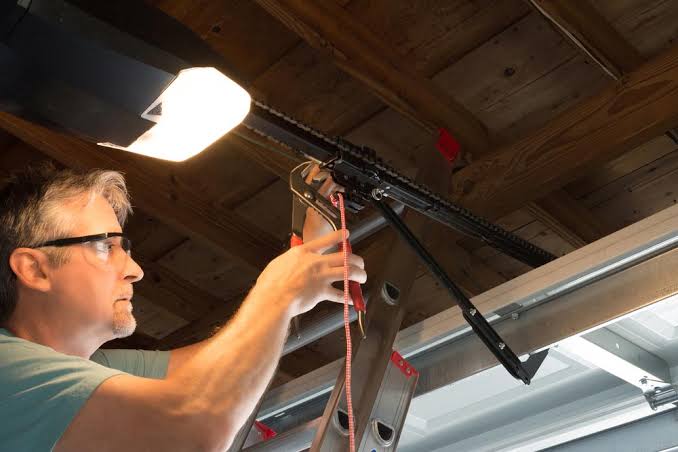
Is your old garage door opener making strange grinding noises or failing to respond to the remote? You are not alone, and figuring out how much to install a new garage door opener is the first step to getting your daily routine back on track. Let us break down the exact costs so you can budget confidently without any surprise fees.
How Much To Install A New Garage Door Opener on Average?
When homeowners ask how much to install a new garage door opener, the answer depends on the unit and the labor. According to recent 2026 industry data, the national average cost ranges from $350 to $550 for a complete professional installation.
To understand this number, we need to split it into two main categories:
- The Opener Unit: A standard, reliable garage door opener costs between $150 and $350. High-end smart models with battery backups can push this closer to $400.
- Professional Labor: Hiring a certified technician typically costs between $200 and $300. This usually takes them about 2 to 3 hours to complete.
If you choose the DIY route, you will only pay for the unit and materials, saving you roughly $250 in labor. However, improper installation can void your warranty or create a safety hazard.
What Factors Affect the Final Garage Door Opener Cost?
Several variables dictate your final bill. Understanding these helps you avoid overspending on features you do not need.
1. Horsepower (HP) Requirements
The weight and size of your door determine the motor size you need.
- 1/2 HP: Ideal for standard, lightweight single-car doors. It is the most affordable option.
- 3/4 HP: The sweet spot for most modern two-car garage doors. It offers a great balance of power and price.
- 1.25 HP or higher: Necessary for heavy wooden doors or oversized custom doors. These units cost significantly more.
2. Drive Type Mechanism
The mechanism that moves the door heavily influences the price. Chain drives are the cheapest, while belt drives are more expensive but much quieter. We will compare these in detail below.
3. Smart Features and Add-ons
Modern openers come with Wi-Fi connectivity, allowing you to control the door via a smartphone app. Adding a battery backup (crucial for power outages) or extra safety sensors will add $50 to $100 to your total bill.
Chain Drive vs. Belt Drive: Which Offers the Best Value?
Choosing the right drive type is crucial for your budget and comfort. Here is a quick comparison to help you decide.
| Feature | Chain Drive Opener | Belt Drive Opener |
|---|---|---|
| Average Unit Cost | $150 – $220 | $200 – $300 |
| Noise Level | Loud (metal-on-metal) | Very Quiet (rubber/fiberglass) |
| Durability | Extremely High | High |
| Best For | Detached garages | Attached garages (near bedrooms) |
| Pros | Most affordable, heavy-duty | Smooth, quiet operation |
| Cons | Noisy, vibrates the ceiling | Slightly higher price point |
Expert Insight: “If your garage is attached to your house and located directly below a bedroom, always recommend a belt drive. The extra $50 is worth the peace and quiet,” says Mark Davis, a certified garage door technician with 15 years of field experience.
Is DIY Installation Cheaper Than Hiring a Professional?
Yes, doing it yourself saves the $200 to $300 labor fee. However, it requires mechanical aptitude, a helper, and about 4 to 6 hours of your weekend.
For context on the mechanics involved, you can review the general operational history and components of these systems on Wikipedia’s Garage Door Opener page.
Step-by-Step DIY Installation Guide
If you decide to tackle this yourself, here are the concrete steps and details you need to follow:
- Prep the Area: Disconnect the old opener and unplug the power. Use a stepladder to safely remove the old motor and rail.
- Assemble the Rail: Lay the new rail pieces on the floor. Use the provided bolts to connect them, ensuring the joints are perfectly flush.
- Mount the Header Bracket: Secure the center bracket above the garage door. Use a level to ensure it is perfectly straight, then bolt it into the wooden header using 5/16-inch lag screws.
- Hang the Motor: With a partner’s help, lift the motor unit. Hang it on the mounting plate exactly 2 to 4 inches below the ceiling joist.
- Secure the Rail: Use a 7/16-inch socket wrench to attach the rail to the header bracket. Tighten the nuts firmly, but do not over-torque them.
- Attach the Trolley and Arm: Connect the emergency release rope to the trolley. Attach the straight and curved door arms to the top panel of the door using the provided clevis pins.
- Program the Limits: Plug in the unit. Press the “Up” and “Down” limit setting buttons on the motor head. Adjust the dials so the door closes fully without banging into the floor.
- Test the Safety Reverse: Place a 2×4 piece of wood on the ground under the door. Close the door. It must immediately reverse upon touching the wood. If it does not, adjust the force settings.
What Are the Hidden Costs to Watch Out For?
When budgeting, keep an eye out for these potential extra expenses:
- Old Opener Disposal: Some companies charge a $30 to $50 haul-away fee to recycle your old unit.
- Electrical Upgrades: If your garage lacks a dedicated grounded outlet near the ceiling, hiring an electrician to install one will cost $150 to $300.
- New Rails: You cannot reuse the old rail with a new opener. The new rail is always included in the box, but if you buy a used opener, buying a replacement rail separately costs about $75.
FAQ Section
How long does it take to install a new garage door opener?
A professional technician typically takes 2 to 3 hours to remove the old unit and install the new one. If you are doing it yourself for the first time, expect it to take 4 to 6 hours.
Do I need to replace the rail when installing a new opener?
Yes. Garage door opener rails are not universal. The new rail is specifically designed to match the tension and travel distance of your new motor. You must use the rail provided in the new box.
What is the best horsepower for a standard two-car garage door?
A 3/4 HP motor is the industry standard for a standard two-car garage door. It provides enough power to lift the door smoothly without straining the motor, which extends the lifespan of the unit.
Does a new garage door opener increase my home’s value?
While it may not drastically increase your appraisal value, a modern, smart garage door opener is a highly attractive feature for buyers. It improves daily convenience, security, and energy efficiency, making your home much more appealing on the market.
Conclusion
Understanding how much to install a new garage door opener empowers you to make the right financial decision. Whether you choose a budget-friendly chain drive and DIY it, or invest in a quiet, smart belt drive installed by a pro, you are upgrading your home’s security and convenience.
By knowing the average costs, hidden fees, and technical requirements, you can ensure a smooth, stress-free installation process.
Did you find this cost breakdown helpful? Please share this article on your favorite social media platforms like Facebook, X (Twitter), or Pinterest to help your friends and family budget for their next home improvement project!
Leave a Reply