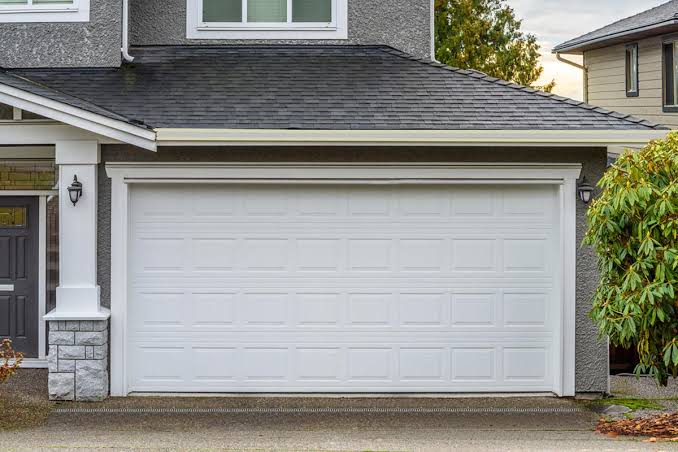
Replacing a garage door is one of those home improvement projects that sits right at the intersection of necessity and curb appeal. Whether your current door is stuck, noisy, or simply outdated, you are likely looking for clarity on the financial commitment required. Understanding how much does a new garage door and installation cost can help you avoid unexpected bills and ensure you get the best value for your investment.
In this guide, we will break down the costs associated with materials, labor, and additional features, providing you with a clear roadmap for your project.
What Is the Average Cost of a New Garage Door in 2026?
When planning your budget, it is essential to look at the national averages. As of 2026, the typical homeowner spends between $1,200 and $4,500 for a complete garage door replacement, including both the unit and professional installation.
However, this range can vary significantly based on several factors:
- Low-end projects: Single-car, non-insulated steel doors may cost as little as $800–$1,200.
- High-end projects: Custom wood doors with smart technology and premium insulation can exceed $10,000.
According to recent industry data, the average cost hovers around $2,800. This figure typically includes the removal of the old door, disposal fees, the new door unit, hardware, and labor. It is important to note that prices have stabilized after the supply chain fluctuations of previous years, but regional labor rates continue to influence the final bill.
How Do Material Choices Affect Garage Door Prices?
The material you choose is the single biggest driver of cost. Each option offers different benefits regarding durability, maintenance, and aesthetics. Here is a breakdown of the most common materials:
1. Steel (Most Popular)
- Cost: $1,200 – $4,000
- Pros: Durable, low maintenance, affordable, and available in various styles.
- Cons: Can dent easily; prone to rust if the coating is damaged.
- Best For: Homeowners seeking a balance of cost and longevity.
2. Aluminum
- Cost: $1,500 – $4,500
- Pros: Lightweight, rust-resistant, and modern aesthetic.
- Cons: Dents very easily; less insulating than steel.
- Best For: Coastal areas where salt air causes corrosion, or modern-style homes.
3. Wood
- Cost: $3,000 – $10,000+
- Pros: Unmatched natural beauty, customizable, high curb appeal.
- Cons: High maintenance (requires staining/sealing), susceptible to warping and rot.
- Best For: Historic homes or luxury properties where aesthetics are paramount.
4. Fiberglass/Composite
- Cost: $2,500 – $6,000
- Pros: Mimics wood grain without the maintenance, resistant to dents and rust.
- Cons: Can crack in extreme cold; higher initial cost than steel.
- Best For: Humid climates or homeowners who want the look of wood without the upkeep.
For more detailed information on material properties and manufacturing standards, you can refer to Wikipedia’s entry on Garage Doors, which provides a comprehensive overview of historical and technical developments in door construction.
How Much Does Labor and Installation Add to the Total Cost?
While the door itself is a significant expense, labor is a critical component of the total price. Professional installation typically costs between $300 and $800, depending on the complexity of the job and your location.
Why Hire a Professional?
Installing a garage door is not a simple DIY task for most homeowners. The springs involved are under extreme tension and can cause serious injury if handled incorrectly. Professionals bring:
- Safety Expertise: Proper handling of high-tension springs and cables.
- Precision Alignment: Ensuring the tracks are perfectly aligned to prevent future wear.
- Warranty Protection: Most manufacturers void warranties if the door is not installed by a certified technician.
Factors That Increase Labor Costs
- Removal of Old Door: If the existing door is heavy or difficult to remove, expect an additional fee.
- Structural Repairs: If the frame or header needs reinforcement, this will add to the labor time.
- Electrical Work: Installing new openers or smart home integration may require an electrician.
Does Insulation Impact the Cost of a Garage Door?
Yes, insulation is a major price factor, but it also impacts long-term energy savings. Garage doors are rated by their R-value, which measures thermal resistance.
| Insulation Type | R-Value Range | Cost Impact | Best Use Case |
|---|---|---|---|
| Non-Insulated | R-0 to R-2 | Lowest Cost | Detached garages, mild climates |
| Polystyrene (Styrofoam) | R-4 to R-7 | Moderate Cost | Attached garages, basic temperature control |
| Polyurethane Foam | R-12 to R-18 | Highest Cost | Living spaces above garage, extreme climates |
Key Insight: If your garage is attached to your home, investing in a door with an R-value of at least R-12 can help regulate indoor temperatures and reduce heating and cooling bills. While polyurethane doors cost more upfront, they often pay for themselves through energy efficiency over time.
What Are the Hidden Costs of Garage Door Replacement?
When asking how much does a new garage door and installation cost, many homeowners forget to account for “hidden” or optional expenses. Being aware of these can prevent budget shocks.
- Garage Door Opener: If your current opener is incompatible or old, you may need a new one. Costs range from $200 to $500 for standard models, and up to $800 for smart, battery-backup units.
- Hardware Upgrades: Decorative handles, hinges, and windows can add $100–$300 to the bill.
- Permits: Some municipalities require permits for structural changes. Check with your local building department; fees usually range from $50 to $150.
- Disposal Fees: Removing and hauling away the old door may incur a fee of $50–$100 if not included in the installation quote.
How Can I Save Money on Garage Door Installation?
While you should never compromise on safety or quality, there are legitimate ways to manage costs:
- Choose Standard Sizes: Custom-sized doors are significantly more expensive. Stick to standard widths (8, 9, 16, or 18 feet) if possible.
- Shop During Off-Seasons: Late fall and winter are slower periods for installers. You may find discounts or promotional offers during these months.
- Get Multiple Quotes: Always obtain at least three quotes from licensed and insured contractors. This ensures you are paying a fair market rate.
- Keep Existing Hardware: If your tracks and rollers are in good condition, ask if they can be reused. However, follow the installer’s advice—if they recommend replacement, it is usually for a good reason.
FAQ Section
Q: How long does it take to install a new garage door?
A: A professional team can typically remove the old door and install a new one in 3 to 5 hours. Complex installations or custom doors may take a full day.
Q: Can I install a garage door myself to save money?
A: While technically possible, it is strongly discouraged due to the high risk of injury from tensioned springs. Additionally, DIY installation often voids the manufacturer’s warranty.
Q: How often should I replace my garage door?
A: Most garage doors last 15 to 30 years, depending on the material and maintenance. Steel doors tend to last longer than wood, which requires regular upkeep.
Q: Does a new garage door increase home value?
A: Yes. According to real estate studies, replacing a garage door offers one of the highest returns on investment (ROI) for home improvements, often recouping 90–95% of the cost in increased home value.
Q: What is the most durable garage door material?
A: Steel is generally considered the most durable and low-maintenance option. It resists warping, cracking, and rotting, making it ideal for most climates.
Conclusion
Understanding how much does a new garage door and installation cost empowers you to make informed decisions that balance budget, aesthetics, and functionality. With average costs ranging from $1,200 to $4,500, there is an option for every homeowner. By choosing the right material, considering insulation values, and hiring qualified professionals, you can enhance your home’s curb appeal and security for years to come.
If you found this guide helpful, please share it with friends or neighbors who might be planning their own garage upgrades. Your network will thank you for the heads-up on pricing and best practices!
Leave a Reply