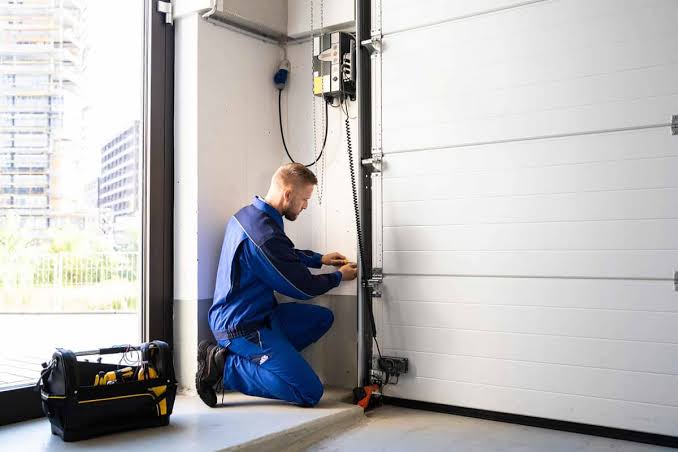
Is your garage door making strange noises or struggling to open smoothly? You are not alone. Many homeowners face this issue, but regular maintenance can prevent costly repairs down the line. If you are wondering how much does a garage door tune up cost, you have come to the right place. This guide breaks down everything you need to know about pricing, services included, and how to keep your garage door running safely and efficiently.
What Is Included in a Standard Garage Door Tune-Up?
Before diving into costs, it is essential to understand what you are paying for. A professional garage door tune-up is not just a quick look; it is a comprehensive inspection and maintenance service designed to extend the life of your door system.
Typically, a standard tune-up includes:
- Safety Inspection: Checking sensors, auto-reverse mechanisms, and cables for wear and tear.
- Lubrication: Applying high-quality silicone or lithium-based lubricant to rollers, hinges, springs, and tracks.
- Hardware Tightening: Securing loose bolts, brackets, and screws that vibrate loose over time.
- Balance Test: Ensuring the door is properly balanced so the opener does not strain.
- Track Alignment: Checking for bends or misalignments that could cause jerky movement.
- Opener Check: Testing the remote, wall button, and battery backup if applicable.
According to industry standards, these steps help prevent sudden failures. For more detailed technical specifications on garage door components, you can refer to Wikipedia’s entry on Garage Doors, which provides a solid overview of the mechanical systems involved.
Average Cost of a Garage Door Tune-Up in 2026
So, how much does a garage door tune up cost? In 2026, the national average ranges between $75 and $150 for a single-car garage door. For double-car doors or heavier custom doors, expect to pay between $100 and $200.
Several factors influence this price:
| Factor | Impact on Cost |
|---|---|
| Location | Urban areas with higher living costs may charge 20–30% more. |
| Door Type | Heavy wood or custom steel doors require more effort than standard aluminum. |
| Service Provider | Licensed insured companies charge more than handymen but offer warranties. |
| Additional Repairs | If parts need replacement during the tune-up, costs will increase. |
Why Prices Vary by Region
In states like California or New York, labor rates are higher, pushing the average tune-up cost toward the $150–$200 range. In contrast, homeowners in the Midwest or South might find reliable services for as low as $75–$100. Always get at least three quotes to ensure you are getting a fair local rate.
DIY vs. Professional Tune-Up: Which Is Better?
Many homeowners consider doing their own maintenance to save money. While basic lubrication is safe for DIY, a full tune-up involves risks that require professional expertise.
Pros and Cons of DIY Maintenance
Pros:
- Cost Savings: You only pay for lubricant ($10–$15).
- Convenience: No need to schedule an appointment.
- Learning Opportunity: You become familiar with your door’s mechanics.
Cons:
- Safety Risks: Garage door springs are under extreme tension and can cause severe injury if mishandled.
- Missed Issues: Amateurs may overlook subtle signs of wear in cables or rollers.
- Voided Warranties: Some manufacturers require professional maintenance to keep warranties valid.
When to Call a Professional
You should always hire a certified technician if:
- The door is unbalanced or falls quickly when disconnected from the opener.
- You hear grinding, scraping, or loud banging noises.
- The door reverses unexpectedly or fails to close completely.
- Springs appear stretched, rusted, or broken.
Expert Insight: “Garage door springs store enough energy to lift a car. Attempting to adjust them without proper tools and training is one of the most dangerous DIY projects a homeowner can undertake,” says John Miller, a certified garage door technician with 15 years of experience.
Signs Your Garage Door Needs a Tune-Up
Ignoring minor issues can lead to major expenses. Here are common signs that indicate it is time to schedule a tune-up:
- Slow Response Time: If there is a delay between pressing the button and the door moving, the opener or sensors may need adjustment.
- Unusual Noises: Squeaking, grinding, or popping sounds suggest lack of lubrication or worn rollers.
- Uneven Movement: If one side of the door moves faster than the other, the tracks may be misaligned or the springs unbalanced.
- Visible Wear: Look for frayed cables, rusted hinges, or cracks in the panels.
- Increased Energy Bills: A poorly sealed or insulated garage door can affect your home’s energy efficiency, especially if the garage is attached.
Addressing these issues early through a tune-up can save you hundreds of dollars in future repairs.
How Often Should You Schedule a Garage Door Tune-Up?
Most manufacturers and professional technicians recommend scheduling a tune-up once a year. However, if you live in an area with extreme weather conditions—such as heavy snow, high humidity, or salt air near the coast—you may benefit from bi-annual maintenance.
Regular annual maintenance offers several benefits:
- Extended Lifespan: Properly maintained doors can last 15–30 years, compared to 10–15 years for neglected ones.
- Improved Safety: Regular checks ensure safety features like auto-reverse are functioning correctly.
- Quieter Operation: Lubricated parts reduce friction and noise.
- Higher Home Value: A well-maintained garage door enhances curb appeal and buyer confidence.
FAQ Section
Q1: Can I negotiate the price of a garage door tune-up?
Yes, many companies offer seasonal discounts, especially in spring and fall. You can also ask if they have package deals for multiple services, such as combining a tune-up with opener installation.
Q2: Does a tune-up include replacing broken parts?
No, a standard tune-up covers inspection, lubrication, and adjustments. If parts like springs, cables, or rollers need replacement, these will be quoted separately. Always ask for a detailed estimate before authorizing additional work.
Q3: How long does a typical garage door tune-up take?
A professional tune-up usually takes between 45 minutes to 1.5 hours, depending on the condition of the door and any minor adjustments needed.
Q4: Is a garage door tune-up tax-deductible?
Generally, no. Routine maintenance is considered a personal expense. However, if you use your garage for business purposes, consult a tax professional to see if partial deductions apply.
Q5: What questions should I ask a garage door technician?
Ask about their licensing, insurance, warranty on labor, and whether they provide a written estimate. Also, inquire about their experience with your specific door brand and model.
Q6: Will a tune-up fix a noisy garage door?
Often, yes. Noise is frequently caused by dry rollers or hinges. Lubrication during a tune-up can significantly reduce squeaking and grinding. However, if the noise persists, it may indicate worn bearings or track issues requiring further repair.
Conclusion
Understanding how much does a garage door tune up cost helps you budget effectively for home maintenance. With average prices ranging from $75 to $200, this small investment can prevent costly repairs and ensure your family’s safety. Remember, regular maintenance extends the life of your door, improves performance, and keeps your home secure.
Do not wait until your garage door fails. Schedule your annual tune-up today and enjoy peace of mind knowing your door is operating at its best. If you found this guide helpful, please share it with friends and neighbors on social media to help them keep their homes safe and efficient!
Leave a Reply