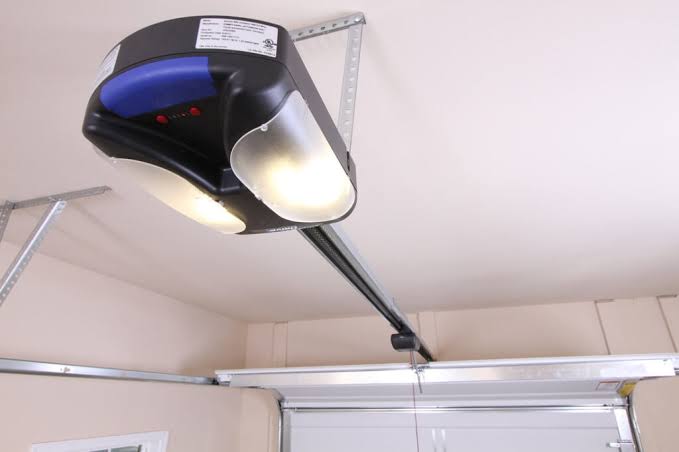
Replacing a malfunctioning garage door opener is often an unexpected expense that disrupts your daily routine. Whether your current unit is making grinding noises, failing to respond to remote commands, or simply reaching the end of its lifespan, knowing the financial commitment upfront is crucial for budgeting. If you are asking, “How much does a garage door opener cost to replace?” you are in the right place to find clear, actionable answers tailored to the US market.
Understanding the Average Replacement Costs in 2026
When planning your budget, it is essential to distinguish between the cost of the hardware itself and the labor required for professional installation. In 2026, the total cost to replace a garage door opener typically ranges from $350 to $850, with most homeowners spending around $500 to $600 for a standard mid-range model with professional installation.
The price variation depends heavily on the type of opener, the brand, and the complexity of the installation. Basic chain-drive models are the most affordable, while advanced belt-drive or smart-enabled systems command a higher premium.
| Opener Type | Hardware Cost (Unit Only) | Professional Installation Cost | Total Estimated Cost |
|---|---|---|---|
| Chain Drive | $150 – $250 | $150 – $250 | $300 – $500 |
| Belt Drive | $250 – $400 | $150 – $250 | $400 – $650 |
| Screw Drive | $200 – $350 | $150 – $250 | $350 – $600 |
| Direct Drive | $300 – $500 | $200 – $300 | $500 – $800 |
| Smart/Wi-Fi Enabled | $300 – $600+ | $150 – $250 | $450 – $850+ |
Note: Prices may vary based on your location in the US and specific contractor rates.
What Factors Influence the Cost of a New Garage Door Opener?
Several variables can cause the final bill to fluctuate. Understanding these factors helps you make an informed decision rather than just picking the cheapest option.
1. Drive Type and Noise Level
The mechanism that moves the door along the track significantly impacts the price. Chain-drive openers are the most common and affordable but tend to be noisier. They are ideal for detached garages. Belt-drive openers use rubber belts, offering quieter operation, which is perfect for garages attached to living spaces. Screw-drive units have fewer moving parts and require less maintenance, sitting in the middle price range.
2. Horsepower (HP) Rating
The power of the motor matters, especially if you have a heavy wooden or insulated steel door.
- 1/3 HP: Suitable for single, lightweight doors.
- 1/2 HP: The standard for most average-sized double doors.
- 3/4 HP to 1+ HP: Necessary for heavy, custom, or oversized doors. Higher horsepower units cost more but ensure longevity and smoother operation.
3. Smart Features and Connectivity
Modern homeowners increasingly prefer openers with Wi-Fi connectivity. These allow you to control your garage door via smartphone apps, receive alerts if the door is left open, and integrate with smart home ecosystems like Amazon Alexa or Google Home. While convenient, these features add $50 to $150 to the hardware cost.
4. Labor and Installation Complexity
If you are replacing an existing opener with a similar model, labor costs are lower because the mounting brackets and rails may be reusable. However, if you are switching drive types (e.g., from chain to belt) or installing an opener for the first time, the technician will need more time to install new rails and headers, increasing labor charges.
DIY vs. Professional Installation: Which Is Right for You?
One of the biggest decisions you will face is whether to install the opener yourself or hire a professional. This choice dramatically affects the total cost.
The Case for DIY Installation
If you are handy with tools and have experience with basic electrical wiring, DIY can save you $150 to $300 in labor costs. Many modern openers come with detailed manuals and video tutorials.
- Pros: Significant cost savings; sense of accomplishment.
- Cons: Risk of improper alignment; potential voiding of warranty if installed incorrectly; safety hazards if springs or cables are mishandled.
The Case for Professional Installation
Hiring a licensed technician ensures the job is done safely and correctly. Professionals can also identify underlying issues with your garage door tracks or springs that might cause future problems.
- Pros: Warranty protection; expert adjustment of safety sensors; faster completion (usually 2–4 hours).
- Cons: Higher upfront cost.
According to industry standards, garage door springs are under extreme tension and can be dangerous to handle. While opener replacement is generally safer than spring replacement, professional installation is recommended for those unfamiliar with garage door mechanics. For more information on garage door safety standards, you can refer to Wikipedia’s page on Garage Doors.
Step-by-Step Guide to Replacing Your Garage Door Opener
If you decide to proceed with a replacement, here is a general overview of the process. Always consult your specific model’s manual for detailed instructions.
- Disconnect Power: Unplug the old opener from the electrical outlet. If it is hardwired, turn off the circuit breaker.
- Release the Door: Pull the emergency release cord to disconnect the door from the opener carriage. Manually lift the door to ensure it is balanced and moves smoothly.
- Remove the Old Unit: Support the old motor unit with a ladder or assistant. Unscrew the mounting brackets from the ceiling joists. Disconnect the wiring from the wall console and safety sensors.
- Install New Brackets: If reusing old brackets, ensure they are secure. If installing new ones, mark the center of the garage door and mount the header bracket above the door. Attach the rail to the motor unit and secure the other end to the header bracket.
- Hang the Motor: Lift the new motor unit and attach it to the ceiling mounting brackets. Ensure it is level and securely fastened.
- Connect the Carriage: Attach the trolley carriage to the door using the provided arm. Adjust the length so the door opens and closes fully without strain.
- Wire the Components: Connect the wall console, safety sensors, and power source. Follow the color-coded wiring diagram in the manual carefully.
- Program and Test: Plug in the unit. Program the remote controls and keypad. Test the safety reversal feature by placing a 2×4 piece of wood on the floor in the door’s path. The door should reverse immediately upon contact.
Frequently Asked Questions (FAQ)
How long does a garage door opener last?
Most garage door openers have a lifespan of 10 to 15 years. Regular maintenance, such as lubricating the chain or screw and checking the safety sensors, can extend this life. If your opener is older than 10 years and requires frequent repairs, replacement is often more cost-effective.
Can I replace just the motor unit and keep the old rails?
In many cases, yes. If the new opener is from the same brand and uses a similar drive system, you may be able to reuse the existing rails and brackets. This “head unit only” replacement can save on both hardware and labor costs. However, mixing brands or drive types usually requires a full rail replacement.
Why is my new garage door opener so expensive?
High-end models include advanced features like battery backups (for power outages), ultra-quiet belt drives, and robust smart home integration. Additionally, if your garage door is unusually heavy or large, you may need a high-horsepower commercial-grade unit, which costs more than residential standard models.
Does homeowners insurance cover garage door opener replacement?
Typically, no. Homeowners insurance covers sudden and accidental damage caused by covered perils (like fire or storm damage). It does not cover mechanical failure due to wear and tear or age. However, if the opener was damaged during a covered event, you may file a claim.
What is the most reliable garage door opener brand?
Brands like Chamberlain, LiftMaster, and Genie are widely recognized for their reliability and widespread availability of parts. Chamberlain and LiftMaster are actually owned by the same parent company and share many components. Genie is known for its durable screw-drive models. Choosing a reputable brand ensures better customer support and easier future repairs.
Conclusion
Understanding how much does a garage door opener cost to replace empowers you to make a smart investment in your home’s security and convenience. With total costs ranging from $350 to $850, the price depends on your choice of drive type, horsepower, and whether you choose DIY or professional installation.
Don’t let a failing opener compromise your daily routine. Assess your needs, consider the noise level and smart features that matter to you, and decide if you have the skills for a DIY project or if you prefer the peace of mind that comes with professional installation.
Found this guide helpful? Share it with your neighbors or on social media to help others navigate their garage door replacement journey!
Leave a Reply