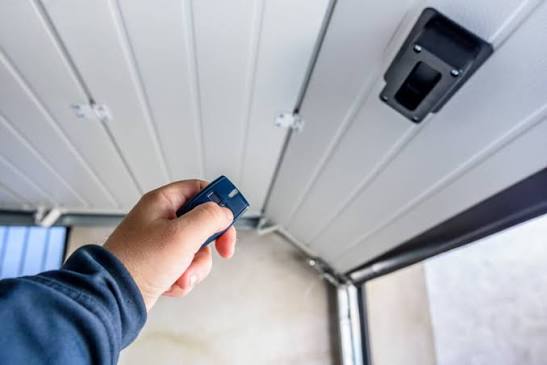
Have you ever stood in your driveway, remote in hand, only to realize your garage door opener has given up the ghost? It is a frustrating scenario that disrupts your daily routine and raises immediate questions about your home’s security and convenience. If you are facing this issue or simply planning an upgrade, understanding how much does a garage door opener and installation cost is the first step toward a smooth, stress-free solution.
In this guide, we will break down the current market prices for 2026, explore the different types of openers available, and help you decide whether to tackle the project yourself or hire a professional.
Understanding the Total Cost Breakdown
When budgeting for a new garage door system, it is essential to look beyond just the price tag of the motor unit. The total expense is typically divided into two main categories: the hardware itself and the labor required to install it.
On average, homeowners in the US can expect to pay between $350 and $1,200 for a complete garage door opener and installation package. However, this range can fluctuate significantly based on the type of drive system, the brand, and the complexity of your existing garage setup.
Hardware Costs
The opener unit itself usually ranges from $150 to $500. Basic chain-drive models are at the lower end of this spectrum, while advanced belt-drive or smart-enabled models command higher prices.
Labor Costs
Professional installation typically costs between $150 and $400. This fee covers the technician’s time, expertise, and any necessary adjustments to ensure the door operates safely and efficiently. If your garage requires new wiring or structural modifications, these costs may increase.
Factors That Influence Garage Door Opener Prices
Not all garage door openers are created equal. Several key factors determine where your project will fall within the price range. Understanding these variables will help you make an informed decision that aligns with your budget and needs.
1. Type of Drive System
The drive mechanism is the heart of the opener and significantly impacts both performance and price.
- Chain-Drive Openers: These are the most common and affordable option, typically costing $150–$250 for the unit. They use a metal chain to move the trolley. While durable and powerful, they are known for being noisier, making them less ideal for garages attached to living spaces.
- Belt-Drive Openers: Priced between $250–$400, these models use a rubber belt instead of a chain. They operate much more quietly and smoothly, making them a popular choice for homes with bedrooms above or adjacent to the garage.
- Screw-Drive Openers: These units cost around $200–$350. They use a threaded steel rod to move the trolley. They require less maintenance than chain drives but can be sensitive to temperature changes.
- Direct-Drive (Jackshaft) Openers: These are premium models, often costing $400–$600+. They mount directly to the wall beside the door rather than the ceiling, saving headroom. They are extremely quiet and durable but come with a higher price tag.
2. Horsepower (HP) Rating
The horsepower rating indicates the lifting power of the opener. Most standard residential doors work well with a ½ HP motor. However, if you have a heavy wooden door or a double-car garage, you may need a ¾ HP or 1 HP model. Higher horsepower units generally cost more but offer better longevity and performance for heavier loads.
3. Smart Features and Connectivity
In 2026, smart home integration is no longer a luxury but a standard expectation for many homeowners. Openers with Wi-Fi connectivity, smartphone app control, and voice assistant compatibility (Alexa, Google Home) tend to cost $50–$100 more than basic models. These features allow you to monitor your garage status remotely, receive alerts, and grant access to guests without handing over a physical remote.
4. Brand Reputation
Established brands like LiftMaster, Chamberlain, Genie, and Ryobi often charge a premium for their reliability and customer support. While generic brands may offer lower upfront costs, investing in a reputable brand can save you money in the long run through fewer repairs and better warranty coverage.
DIY vs. Professional Installation: Which Is Right for You?
One of the biggest decisions you will face is whether to install the opener yourself or hire a professional. Both options have distinct advantages and drawbacks.
| Feature | DIY Installation | Professional Installation |
|---|---|---|
| Cost | Saves $150–$400 in labor fees. | Includes labor cost but ensures quality. |
| Time | Can take 4–8 hours for beginners. | Typically completed in 2–4 hours. |
| Safety | Risk of injury if springs or cables are mishandled. | Technicians are trained in safety protocols. |
| Warranty | May void manufacturer warranty if installed incorrectly. | Often includes a service warranty on labor. |
| Tools | Requires specific tools (ladder, wrenches, drill). | Technician brings all necessary equipment. |
Expert Insight: According to industry standards, garage door springs are under extreme tension and can cause serious injury if handled improperly. If your installation involves adjusting or replacing springs, it is highly recommended to hire a professional. For simple opener replacements where the existing infrastructure is sound, a confident DIYer can manage the task with careful attention to the manual.
Step-by-Step Guide to Estimating Your Project Cost
To get a precise estimate for your specific situation, follow these steps:
- Measure Your Door: Determine the size and weight of your garage door. Standard single-car doors are usually 8×7 feet, while double-car doors are 16×7 feet. Heavier doors require more powerful (and expensive) openers.
- Check Existing Infrastructure: Inspect your current setup. Do you have a power outlet near the ceiling? Is the mounting bracket intact? If you need new electrical wiring added, expect to pay an additional $100–$200 for an electrician.
- Choose Your Features: Decide if you need basic functionality or advanced smart features. List your must-haves versus nice-to-haves.
- Get Multiple Quotes: Contact at least three local garage door companies for installation quotes. Prices can vary widely by region and company.
- Factor in Disposal Fees: Some installers charge a small fee ($20–$50) to remove and dispose of your old opener. Ask if this is included in their quote.
For more detailed technical specifications on garage door systems, you can refer to resources like Wikipedia’s page on Garage Door Openers to understand the mechanical principles behind different drive types.
Maintenance Tips to Extend Lifespan and Save Money
Investing in a quality opener is only half the battle. Proper maintenance can extend its lifespan from the average 10–15 years to even longer, saving you from premature replacement costs.
- Lubricate Moving Parts: Every six months, apply a silicone-based lubricant to the chain, belt, or screw drive. Avoid using grease, which can attract dirt.
- Test Safety Sensors: Monthly, place an object in the door’s path to ensure it reverses automatically. This is a critical safety feature that prevents accidents.
- Tighten Hardware: Vibration from regular use can loosen bolts and brackets. Check and tighten them annually.
- Keep Tracks Clean: Wipe down the metal tracks with a damp cloth to remove debris that could hinder smooth operation.
Frequently Asked Questions (FAQ)
1. How long does a garage door opener last?
Most high-quality garage door openers last between 10 to 15 years with proper maintenance. Chain-drive models may wear out slightly faster due to metal-on-metal friction, while belt-drive and direct-drive models often have longer lifespans.
2. Can I install a smart garage door opener myself?
Yes, many smart openers are designed for DIY installation. They often come with user-friendly apps and step-by-step video guides. However, if you are not comfortable working with electrical connections or ladders, hiring a professional is safer.
3. Is it worth paying more for a belt-drive opener?
If your garage is attached to your home or has living spaces nearby, yes. The noise reduction provided by belt-drive openers is significant and can greatly improve your comfort level. For detached garages, a chain-drive may be a more cost-effective choice.
4. What happens if my garage door opener breaks during a storm?
Many modern openers come with battery backup systems that allow you to open and close the door during power outages. If your model does not have this feature, consider installing one, especially if you live in an area prone to severe weather.
5. Are there any hidden costs in garage door installation?
Potential hidden costs include electrical upgrades, disposal fees for the old unit, and permits if your local municipality requires them for electrical work. Always ask for a detailed breakdown before signing a contract.
Conclusion
Understanding how much does a garage door opener and installation cost empowers you to make a smart investment in your home’s security and convenience. With prices ranging from $350 to $1,200 depending on features and labor, there is an option for every budget. Whether you choose a quiet belt-drive smart opener or a sturdy chain-drive model, prioritizing quality installation and regular maintenance will ensure your system serves you well for years to come.
Don’t let a broken opener disrupt your life. Take the time to research your options, get multiple quotes, and choose the solution that best fits your needs. If you found this guide helpful, please share it with friends or family who might be facing similar garage door dilemmas!
Leave a Reply