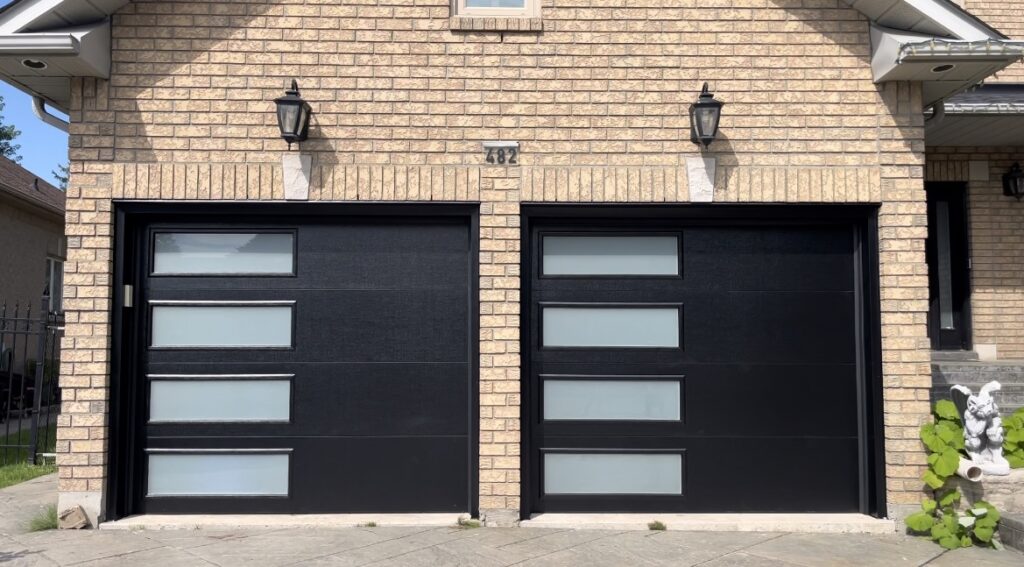
Replacing an old, noisy, or broken garage door is one of those home improvement projects that can significantly boost your curb appeal and security. However, budgeting for it can be tricky because the final price tag depends on many variables, from materials to labor rates. If you are wondering how much does a garage door cost with installation, you are in the right place to get clear, actionable answers.
In this guide, we will break down the current market rates for 2026, explain what drives the costs up or down, and help you decide whether to DIY or hire a professional. By the end, you will have a solid understanding of what to expect financially when upgrading your garage entryway.
Average Garage Door Installation Costs in 2026
When planning your budget, it is essential to look at the national averages while remembering that local factors play a huge role. In 2026, the typical homeowner spends between $1,200 and $4,500 for a new garage door including professional installation.
However, this range is broad. A basic, single-car steel door might cost as little as $800 installed, while a custom-made, insulated wooden door for a double-car garage can easily exceed $6,000. According to recent industry data, the national average sits around $2,800. This figure usually includes the door itself, hardware, tracks, springs, and labor.
It is important to note that labor typically accounts for about 30% to 50% of the total cost. While the door unit is a significant expense, the expertise required to safely install heavy tension springs and align tracks ensures that professional installation is worth the investment for most homeowners.
Factors That Influence Garage Door Prices
Understanding why prices vary can help you make smarter purchasing decisions. Here are the primary factors that will determine your final bill:
1. Material Type
The material you choose is the biggest cost driver. Each option offers different benefits regarding durability, maintenance, and aesthetics.
- Steel: The most popular choice due to its affordability and durability. Prices range from $800 to $2,500. It requires minimal maintenance but can dent.
- Wood: Offers a classic, high-end look but comes with a higher price tag ($2,500–$6,000+). Wood requires regular staining or painting to prevent warping and rot.
- Aluminum: Lightweight and rust-resistant, making it ideal for coastal areas. Costs range from $1,500 to $3,500. However, it dents more easily than steel.
- Fiberglass/Composite: Mimics the look of wood without the maintenance. These doors are durable but can be brittle in cold climates. Prices range from $1,800 to $4,000.
2. Insulation Level
If your garage is attached to your home or used as a workspace, insulation is crucial. Insulated doors help regulate temperature and reduce noise.
- Non-Insulated: Cheapest option, best for detached garages.
- Single-Layer Insulation: Provides basic thermal resistance.
- Double-Layer/Polyurethane Core: Offers superior R-value (thermal resistance) and sound dampening. Expect to pay 20–30% more for insulated models.
3. Size and Style
Standard single-car doors (8×7 feet) are less expensive than double-car doors (16×7 feet). Custom sizes, such as extra-high doors for RVs, will incur additional manufacturing and installation fees. Additionally, styles with windows or decorative hardware will increase the cost.
4. Labor and Location
Labor rates vary significantly by region. Urban areas with a higher cost of living generally have higher installation fees. Furthermore, if your existing frame needs repair or modification, this will add to the labor cost.
Comparison: Popular Garage Door Materials
To help you visualize the differences, here is a quick comparison of the most common materials:
| Material | Avg. Cost (Installed) | Durability | Maintenance | Best For |
|---|---|---|---|---|
| Steel | $800 – $2,500 | High | Low | Most homeowners, budget-conscious buyers |
| Wood | $2,500 – $6,000+ | Medium | High | Historic homes, luxury aesthetics |
| Aluminum | $1,500 – $3,500 | Medium | Low | Coastal areas, modern designs |
| Fiberglass | $1,800 – $4,000 | High | Low | Humid climates, wood-look appeal |
DIY vs. Professional Installation: Is It Worth It?
One of the most common questions homeowners ask is whether they can save money by installing the door themselves. While a DIY approach might save you $300–$500 in labor, it comes with significant risks.
Garage doors are heavy, often weighing hundreds of pounds. More importantly, the torsion springs are under extreme tension. If handled incorrectly, these springs can release energy violently, causing serious injury or property damage. For more details on safety standards and technical specifications, you can refer to the Wikipedia page on Garage Doors, which outlines the mechanical complexities involved.
Professional installation is recommended because:
- Safety: Experts have the tools and training to handle high-tension springs safely.
- Warranty: Most manufacturers void the warranty if the door is not installed by a certified professional.
- Precision: Proper alignment ensures smooth operation and longevity. Misaligned tracks can wear out rollers and motors quickly.
If you are handy and experienced with heavy machinery, you might consider DIY for simple roller-door replacements. However, for standard sectional doors, hiring a pro is the safer and smarter long-term investment.
Hidden Costs to Watch Out For
When getting quotes, ensure you ask about potential additional fees. These “hidden” costs can surprise you if not discussed upfront:
- Old Door Removal: Some companies charge $50–$150 to haul away your old door.
- Frame Repair: If the wooden framing around your garage opening is rotted or damaged, it must be repaired before the new door can be installed. This can cost $200–$500.
- New Opener Installation: If your current opener is incompatible with the new door, you may need to buy a new one. Basic models start at $150, while smart Wi-Fi-enabled openers can cost $300+.
- Permits: Some local municipalities require permits for garage door replacements, especially if you are changing the size or structure. Check with your local building department.
How to Save Money on Garage Door Installation
You do not have to break the bank to get a quality garage door. Here are some proven strategies to keep costs down:
- Choose Steel: It is the most cost-effective material with the best balance of durability and price.
- Stick to Standard Sizes: Custom sizes require special orders and longer wait times, which increase costs.
- Get Multiple Quotes: Always get at least three quotes from licensed installers. Prices can vary widely between companies.
- Look for Seasonal Deals: Many companies offer discounts in the late fall or winter when demand is lower.
- Bundle Services: If you need a new opener or maintenance on other doors, ask for a package deal.
Frequently Asked Questions (FAQ)
1. How long does it take to install a new garage door?
A professional team can typically install a standard garage door in 3 to 5 hours. This includes removing the old door, installing the new sections, tracks, springs, and testing the balance. If frame repairs are needed, it may take longer.
2. Do I need to replace the tracks and springs too?
Yes, it is highly recommended. Old tracks may be bent or worn, and old springs are likely near the end of their lifecycle. Installing new hardware ensures the door operates smoothly and safely. Most installers include new springs and tracks in the installation package.
3. What is the lifespan of a garage door?
With proper maintenance, a steel garage door can last 15 to 30 years. Wooden doors may last 10–20 years depending on how well they are maintained against weather elements. Springs typically last 7–10 years or 10,000 cycles.
4. Can I install a smart garage door opener later?
Absolutely. Most modern garage door openers are compatible with smart home systems like MyQ, Alexa, or Google Home. You can install a basic opener now and add a smart controller later, or choose a Wi-Fi-enabled opener from the start.
5. Does a new garage door increase home value?
Yes. According to real estate experts, replacing a garage door is one of the top home improvement projects for return on investment (ROI). It can recoup 80–90% of its cost in increased home value due to improved curb appeal.
Conclusion
Knowing how much does a garage door cost with installation empowers you to plan your budget effectively and avoid unexpected expenses. While the average cost ranges from $1,200 to $4,500, your final price will depend on material, size, insulation, and labor rates in your area.
Investing in a quality door and professional installation not only enhances your home’s security and energy efficiency but also boosts its market value. Remember to get multiple quotes, check warranties, and prioritize safety over saving a few hundred dollars on DIY risks.
If you found this guide helpful, please share it with friends or family who are considering a garage upgrade. Your network might just thank you for helping them save time and money on their next home improvement project!
Leave a Reply