Replacing an old, drafty entryway is a fantastic home upgrade, but figuring out how much does a 2 car garage door cost can feel completely overwhelming. We understand that balancing top-tier quality with a realistic budget is tough, so we have broken down every single expense to make your planning stress-free.
How Much Does A 2 Car Garage Door Cost? (The Real Numbers)
When homeowners ask, “How much does a 2 car garage door cost?”, the answer depends heavily on the materials and features you choose. On average, you can expect to pay between $800 and $3,500 for a standard 16×7 foot double door, including professional installation.
If you opt for a custom-sized or high-end carriage house design, prices can easily climb to $5,000 or more.
Here is a quick breakdown of what you can expect to pay based on the material:
| Material Type | Average Cost (Door Only) | Total Cost (With Installation) |
|---|---|---|
| Standard Steel (Non-insulated) | $400 – $800 | $800 – $1,200 |
| Insulated Steel | $800 – $1,800 | $1,200 – $2,500 |
| Faux Wood / Aluminum | $1,500 – $2,500 | $2,000 – $3,500 |
| Real Wood (Custom) | $2,500 – $5,000+ | $3,500 – $6,000+ |
What Factors Affect the Price of a Double Garage Door?
Several key variables will dictate your final bill. Understanding these will help you avoid unexpected charges.
1. Material Choice
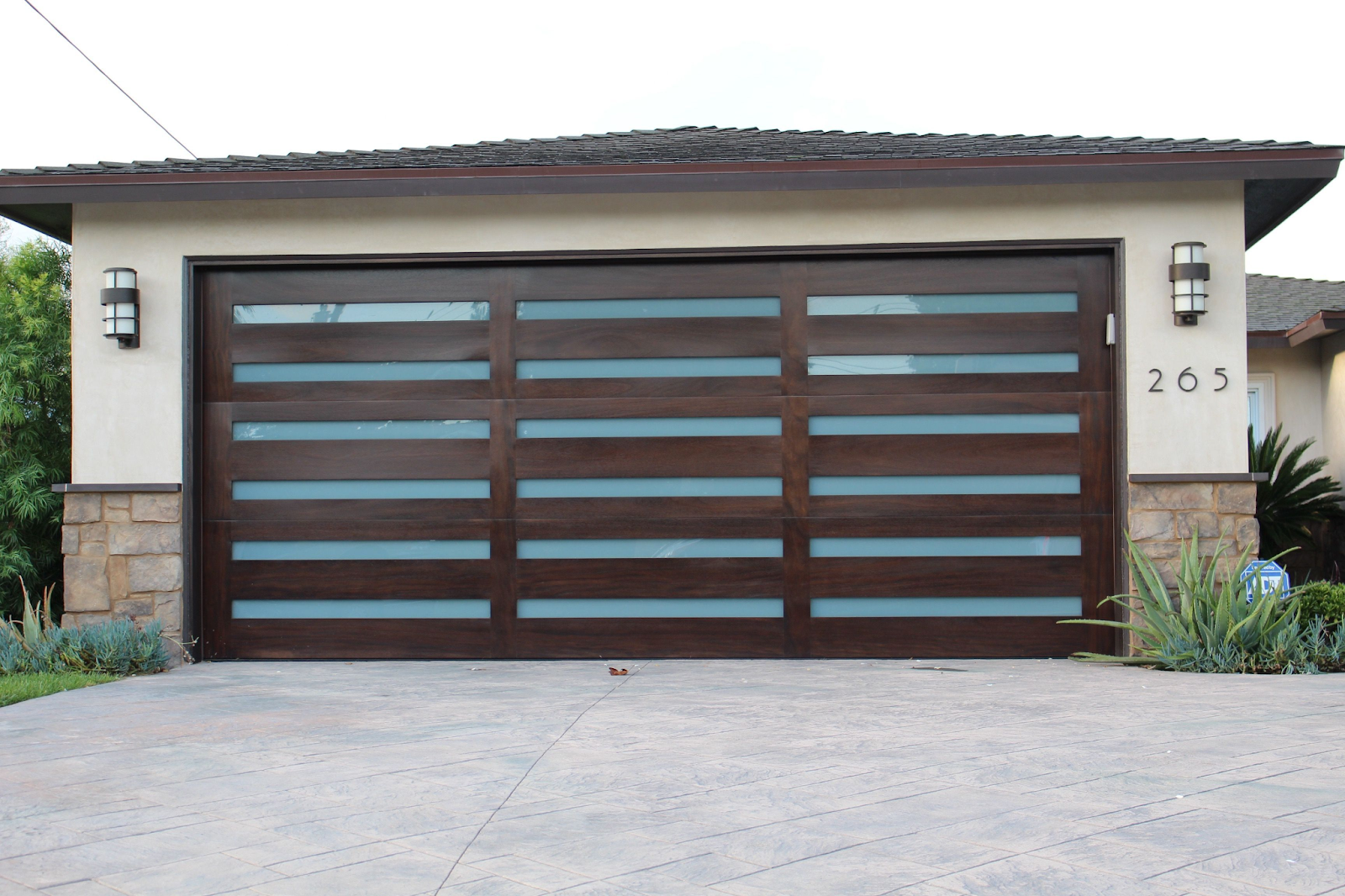
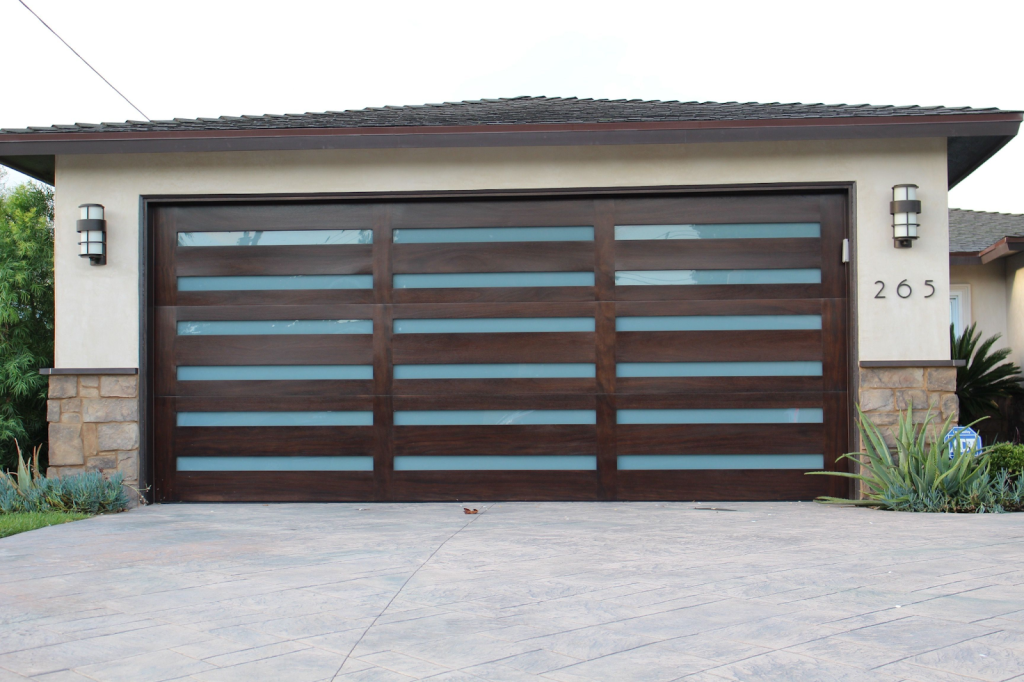
Steel is the most budget-friendly and popular option in the US. Natural wood offers stunning curb appeal but comes with a premium price tag. Aluminum and glass combinations are perfect for modern homes but cost more due to the custom framing.
2. Insulation Levels
If you use your garage as a workspace or it is attached to your house, insulation is critical. Look for an R-value between 12 and 18 for proper temperature control. Polyurethane foam insulation is more expensive than polystyrene boards, but it offers double the thermal efficiency.
3. Window Inserts and Hardware
Adding decorative glass panels or custom hardware (like faux hinges and handles) adds $250 to $800 to your total. While they look beautiful, they also reduce the structural strength of the panels slightly.
4. Smart Openers
Upgrading to a Wi-Fi enabled smart garage door opener allows you to control the door from your phone. This convenience usually costs an extra $200 to $400 for the unit and setup.
Pros and Cons of Popular Garage Door Materials
Choosing the right material is the most important decision you will make. Here is a quick text infographic to help you weigh your options:
Steel Doors
- Pros: Highly durable, very low maintenance, budget-friendly, and excellent for insulation.
- Cons: Can dent if hit by a car or baseball, prone to rust if the paint is deeply scratched.
Wood Doors
- Pros: Stunning natural curb appeal, highly customizable, and adds a premium, luxury feel to your home.
- Cons: Very expensive, requires annual sealing or painting to prevent warping, and is extremely heavy.
Aluminum & Glass Doors
- Pros: Sleek modern aesthetic, completely rust-proof, and lets beautiful natural light into your garage.
- Cons: Poor insulation value (unless specially treated), and the glass panels can break upon heavy impact.
For a deeper historical and technical background on how these mechanisms and materials have evolved over the decades, you can read more about the general mechanics on the Wikipedia page for Garage doors.
Step-by-Step: How to Budget and Buy Your New Door
Ready to make a purchase? Follow this step-by-step guide to ensure you get the perfect fit and price.
Step 1: Measure Your Opening Accurately Use a metal tape measure to check the width and height of your existing opening. A standard 2-car opening is exactly 16 feet wide by 7 feet high.
- Measure the side room: You need at least 3.75 inches of clearance on each side for the vertical tracks.
- Measure the headroom: Ensure you have at least 12 inches of clearance from the top of the door opening to the ceiling for the spring and opener system.
Step 2: Choose Your Insulation R-Value Evaluate your local climate. If you live in a cold northern state, select a polyurethane insulated door with an R-value of 16 to 18 to keep heating costs down. For mild southern climates, a polystyrene board with an R-value of 8 to 12 is perfectly sufficient.
Step 3: Select the Panel Design and Windows Decide between raised panel, flush, or carriage house styles. To maintain structural integrity and keep costs down, limit window inserts to the top row of panels only.
Step 4: Get Three Local Quotes Contact at least three licensed local installers. Ensure their written quote explicitly breaks down the door cost, labor (usually $200 to $500), and old door removal fees. Never accept a vague, single-number estimate.
Frequently Asked Questions (FAQ)
Q1: Is it cheaper to repair or replace a 2-car garage door? If the repair costs more than 50% of the price of a new door, or if your current door is over 15 years old, replacement is usually the more cost-effective and safer choice.
Q2: Does a new 2-car garage door increase home value? Absolutely! According to real estate remodeling studies, replacing your garage door yields a massive return on investment. It frequently recoups nearly 100% of the cost when you sell your home because it drastically improves curb appeal.
Q3: How long does it take to install a double garage door? A professional two-person team can typically remove the old door, assemble the new panels, and install the new spring system in about 6 to 8 hours for a standard setup.
Q4: Can I install a 2-car garage door myself to save money? While DIY installation is technically possible, it is highly discouraged. The torsion springs are under extreme physical tension and can cause severe, life-threatening injury if handled incorrectly. Hiring a professional ensures your safety and keeps your manufacturer’s warranty valid.
Conclusion
Upgrading your entryway is one of the smartest investments you can make for your home’s aesthetics and energy efficiency. By understanding how much does a 2 car garage door cost, you can confidently choose the right materials, insulation, and design without blowing your budget.
Leave a Reply