Replacing a garage door is one of those home improvement projects that can feel overwhelming until you break it down. You want something durable, stylish, and within budget, but the quotes you receive vary wildly. If you are asking how much does a 16 foot garage door cost, you are not alone; this is a critical question for homeowners planning renovations or repairs in 2026.
A 16-foot garage door is typically a “double car” size, designed to fit two vehicles side-by-side or provide ample space for larger trucks and SUVs. Because of its size and structural requirements, the price tag is higher than standard single-car doors. In this guide, we will dissect the costs, explore material options, and help you avoid common budgeting pitfalls.
What Is The Average Price Range For A 16-Foot Garage Door?
When budgeting for a new 16-foot garage door, it is essential to distinguish between the cost of the door unit itself and the total installed price. Most homeowners are surprised to find that labor and hardware often account for a significant portion of the final bill.
In 2026, the average cost for a 16×7 foot garage door ranges from $1,200 to $4,500+ for the door only. However, when you include professional installation, springs, tracks, and openers, the total project cost typically falls between $2,500 and $6,000.
Breakdown by Material Type
The material you choose is the biggest driver of cost. Here is a realistic look at what you can expect to pay:
| Material | Door Only Cost | Installed Cost | Best For |
|---|---|---|---|
| Steel (Single Layer) | $800 – $1,500 | $1,800 – $2,800 | Budget-conscious buyers |
| Steel (Insulated) | $1,200 – $2,500 | $2,500 – $4,000 | Energy efficiency & durability |
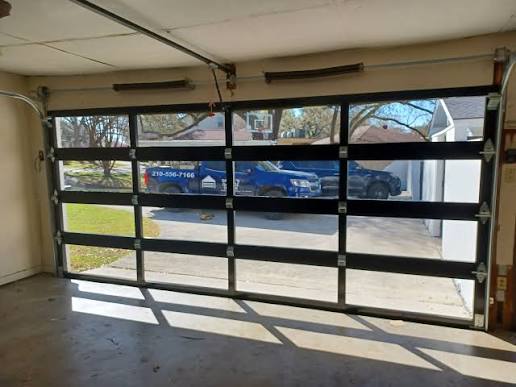
| Aluminum/Glass | $2,000 – $3,500 | $3,500 – $5,500 | Modern aesthetics & coastal areas |
| Wood Composite | $1,500 – $3,000 | $3,000 – $5,000 | Wood look with less maintenance |
| Real Wood | $2,500 – $5,000+ | $4,500 – $8,000+ | Luxury homes & custom designs |
Note: Prices vary based on region, brand, and specific design features like windows or decorative hardware.
Why Do 16-Foot Doors Cost More Than Standard Sizes?
You might wonder why a 16-foot door isn’t just twice the price of an 8-foot door. The answer lies in engineering and logistics. A 16-foot span requires heavier-duty springs, thicker tracks, and often a more powerful opener to lift the weight safely.
According to industry standards, wider doors require reinforced backstruts to prevent bowing or warping over time. These structural reinforcements add to the manufacturing cost. Additionally, because 16-foot doors are heavier, installation teams often need extra manpower or specialized equipment, which increases labor charges.
For a deeper understanding of garage door mechanics and safety standards, you can refer to general engineering principles outlined on Wikipedia.
How Does Insulation Impact The Cost?
One of the most common questions we hear is whether insulation is worth the extra expense. The short answer is: it depends on your climate and garage usage.
R-Value Explained
Insulation is measured by R-value, which indicates thermal resistance.
- R-8 to R-12: Basic polystyrene foam. Adds modest rigidity and slight temperature control. Cost increase: ~$200–$400.
- R-13 to R-16: Polyurethane foam injected between steel panels. Provides superior sound dampening and energy efficiency. Cost increase: ~$400–$800.
If your garage is attached to your home or used as a workshop, investing in higher R-value insulation can reduce heating and cooling bills. In extreme climates, the energy savings may offset the initial cost within a few years.
What Are The Hidden Costs Of Installation?
The sticker price of the door rarely tells the whole story. When calculating how much does a 16 foot garage door cost, you must account for these potential hidden fees:
- Old Door Removal: Most contractors charge $50–$150 to haul away your old door.
- Structural Repairs: If the framing around your garage opening is rotted or damaged, repairs can add $200–$500.
- New Opener Compatibility: A heavy 16-foot door may require a ¾ HP or 1 HP opener. If your current opener is weak, budget an additional $300–$600 for a new unit.
- Permits: Some municipalities require permits for garage door replacements, costing $50–$200.
- Custom Colors: Standard white or brown doors are cheapest. Custom colors or finishes can add 10–15% to the door price.
DIY vs. Professional Installation: Is It Worth Saving Money?
While DIY projects can save money, garage doors are dangerous. The torsion springs store immense kinetic energy and can cause severe injury if handled incorrectly.
Pros of Professional Installation
- Safety: Trained technicians handle high-tension springs safely.
- Warranty: Most manufacturers void warranties if the door is not installed by a certified pro.
- Speed: A pro team can install a 16-foot door in 3–5 hours.
Pros of DIY
- Cost Savings: You save $300–$800 in labor.
- Learning Experience: Great for handy homeowners with mechanical skills.
Verdict: For a 16-foot door, we strongly recommend professional installation. The risk of injury and potential damage to the door mechanism outweighs the labor savings.
How To Choose The Right Style For Your Home?
Your garage door accounts for up to 30% of your home’s curb appeal. Choosing the right style enhances value and aesthetics.
- Traditional Raised Panel: Timeless, works with Colonial and Ranch styles.
- Carriage House: Mimics swing-out doors with decorative hardware; perfect for Craftsman or Farmhouse homes.
- Contemporary Full-View: Aluminum frames with glass panels; ideal for Modern architecture.
When selecting a style, consider your home’s architectural era. A mismatched door can detract from resale value. Many manufacturers offer visualizers on their websites to help you preview different styles on your home.
FAQ Section
Q1: How long does it take to install a 16-foot garage door?
A professional team typically completes the installation in 4 to 6 hours. This includes removing the old door, installing new tracks, springs, and panels, and testing the balance.
Q2: Can I install a garage door opener myself after the door is installed?
Yes, installing an opener is generally safer and easier than installing the door itself. However, ensure the opener’s horsepower rating matches the weight of your 16-foot door. Check the manufacturer’s specifications carefully.
Q3: Do I need a permit to replace my garage door?
It depends on your local building codes. In many US jurisdictions, a simple like-for-like replacement does not require a permit. However, if you are changing the size of the opening or modifying structural elements, a permit is likely required. Always check with your local building department.
Q4: What is the lifespan of a 16-foot garage door?
With proper maintenance, a steel garage door can last 15–30 years. Wood doors may last 10–20 years depending on climate and upkeep. Regular lubrication of springs and rollers can extend the life significantly.
Q5: Are there tax credits for energy-efficient garage doors?
Occasionally, federal or state tax credits are available for high-R-value insulated doors. Check the Energy Star website or consult a tax professional for current year incentives.
Q6: How often should I maintain my garage door?
Perform a basic inspection every 6 months. Lubricate moving parts, check spring tension, and test the auto-reverse safety feature. Annual professional tune-ups are recommended for heavy-use doors.
Conclusion
Understanding how much does a 16 foot garage door cost empowers you to make informed decisions without overspending. While the initial investment ranges from $2,500 to $6,000+, the right door enhances security, energy efficiency, and curb appeal.
Remember to prioritize quality materials and professional installation to avoid costly repairs down the road. Whether you choose insulated steel for practicality or wood for elegance, your garage door is a long-term asset to your home.
Found this guide helpful? Share it with friends on Facebook or Pinterest who are planning their own home upgrades! Don’t forget to bookmark this page for future reference as you compare quotes.
Leave a Reply