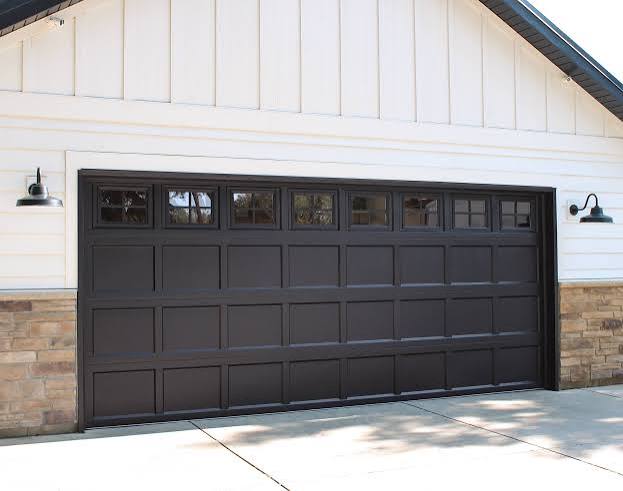
How Much Does A 16 Foot Garage Door Cost Installed?
Replacing an old, drafty garage door is a fantastic way to boost your home’s curb appeal and energy efficiency. However, before you call a contractor, you are probably asking yourself: How Much Does A 16 Foot Garage Door Cost Installed? We understand that home improvement budgets can be stressful, so we have broken down every expense to help you plan with confidence.
How Much Does A 16 Foot Garage Door Cost Installed?
On average, the total cost to install a 16-foot double garage door ranges between $1,200 and $3,500. The exact price depends heavily on the material you choose, the level of insulation, and your local labor rates.
For a basic, non-insulated steel door, you might pay as low as $800 for the unit and $300 for professional installation. On the higher end, a custom wood or high-R-value insulated door can push the total price past $4,500. According to recent home improvement data, homeowners typically spend around $2,100 for a mid-range, insulated steel door with professional installation.
What Factors Affect the Cost of a 16-Foot Garage Door?
Several variables dictate your final bill. Understanding these will help you avoid unexpected charges and make the best choice for your home.
- Material: Steel is the most affordable, while real wood and custom aluminum are premium choices.
- Insulation: Adding polyurethane or polystyrene insulation increases the upfront cost but lowers your energy bills.
- Design and Windows: Adding decorative hardware or custom glass panels adds $200 to $800 to the total.
- Opener and Hardware: Upgrading to a smart garage door opener or heavy-duty springs will add $200 to $500.
- Removal and Disposal: Most contractors charge $50 to $100 to haul away your old door.
Additionally, your geographic location plays a massive role. Homeowners in major metropolitan areas or regions with a higher cost of living, such as California or New York, should expect labor rates to be on the higher end of the spectrum compared to rural areas.
16-Foot Garage Door Cost by Material
Let’s look at the average costs for the door itself, excluding labor.
| Material | Average Cost (Door Only) | Durability | Maintenance Level |
|---|---|---|---|
| Steel | $500 – $1,800 | High | Low |
| Wood | $1,500 – $4,000+ | Moderate | High |
| Aluminum | $1,200 – $3,500 | Moderate | Low |
| Fiberglass | $800 – $2,000 | Low (coastal) | Moderate |
Steel remains the most popular choice in the US due to its affordability and low maintenance. If you live in a coastal area, fiberglass is an excellent alternative because it resists salt corrosion. Wood doors offer unmatched luxury but require a significant commitment to upkeep.
Professional Labor and Installation Fees
Hiring a professional is highly recommended. Improper installation can void your warranty and create severe safety hazards. According to industry standards, professional installation for a 16-foot double door typically costs between $300 and $600.
This fee usually includes removing the old door, assembling the new panels, installing the tracks and springs, and testing the balance. While some avid DIYers might consider doing it themselves to save money, the reality is that garage door installation is one of the most dangerous home improvement tasks. The heavy panels and high-tension springs require specialized tools and years of experience to handle safely.
For a deeper understanding of the mechanics and history behind these systems, you can check out the comprehensive guide on Garage doors on Wikipedia.
Understanding Insulation R-Values
Insulation is measured in R-values. The higher the R-value, the better the thermal resistance.
- Uninsulated (R-0): Best for detached garages in mild climates.
- Polystyrene Insulated (R-6 to R-12): A budget-friendly option that uses layered sheets of insulation.
- Polyurethane Insulated (R-15 to R-19): Premium foam injected between the steel panels. It offers the highest energy efficiency and makes the door incredibly rigid and quiet.
For an attached garage, experts recommend a minimum of R-12 to notice a difference in your home’s overall energy footprint.
Pros and Cons of Popular 16-Foot Door Materials
Choosing the right material is crucial for your home’s aesthetic and your wallet. Here is a quick comparison:
Steel Doors
- Pros: Budget-friendly, dent-resistant options available, excellent insulation compatibility.
- Cons: Can rust if the protective coating is scratched, prone to dents in severe hail.
Wood Doors
- Pros: Stunning natural beauty, highly customizable, boosts luxury home value.
- Cons: Very expensive, requires regular staining or painting, can warp in humid climates.
Aluminum & Glass Doors
- Pros: Modern aesthetic, lets natural light into the garage, rust-proof.
- Cons: Poor insulation unless specially treated, fragile glass panels, higher price tag.
Additional Costs to Consider
When budgeting for your project, the door and installation are just the beginning. Here are some additional expenses you might encounter:
- New Garage Door Opener: If your existing opener is broken or incompatible, a new chain-drive or belt-drive opener costs between $200 and $450 installed.
- Structural Repairs: If the framing around your garage opening is rotted or damaged, a contractor will need to repair it before installing the new door. This can add $150 to $500.
- Permits: Some local municipalities require a building permit for garage door replacement, especially if you are changing the size of the opening. Permits typically cost $50 to $150.
- Sensor and Keypad Upgrades: Adding external keypads or smart home integration sensors will cost an additional $50 to $200.
Signs You Need to Replace Your 16-Foot Garage Door
How do you know it is time to spend the money? Look out for these warning signs:
- Excessive Noise: If your door squeaks, grinds, or shakes violently when opening, the springs or rollers are likely failing.
- Visible Damage: Dents, cracks, or warping compromise the security and insulation of your garage.
- High Energy Bills: An uninsulated or poorly sealed door lets conditioned air escape, forcing your HVAC system to work overtime.
- Outdated Curb Appeal: A dated door can drag down the entire look of your home’s facade.
How to Save Money on Your Garage Door Installation
You do not have to overspend to get a high-quality 16-foot garage door. Here are a few expert tips:
- Choose Standard Sizes: A 16×7 foot door is a standard size. Custom heights (like 8 feet) will cost significantly more.
- Opt for Polystyrene Insulation: If you need insulation but are on a budget, polystyrene (sheet insulation) is much cheaper than polyurethane (foam injected).
- Keep the Old Tracks: If your current tracks are in perfect condition and compatible with the new door, you can save around $100 on hardware.
- Get Multiple Quotes: Always get at least three quotes from local, licensed installers to ensure you are getting a fair market price.
Frequently Asked Questions (FAQ)
How long does it take to install a 16-foot garage door? A professional team can typically remove your old door and install a new 16-foot double door in about 4 to 6 hours. If new tracks or electrical wiring for the opener are required, it may take a full day.
Is a 16-foot garage door considered a double door? Yes, a 16-foot wide garage door is the standard size for a double car garage. It provides enough width for two standard vehicles to park side-by-side with enough room to open the car doors comfortably.
Should I insulate my 16-foot garage door? If your garage is attached to your home or you use it as a workspace, absolutely. An insulated door regulates temperature, reduces outside noise, and protects your belongings from extreme humidity. It also adds structural strength to the door panels.
Can I install a 16-foot garage door myself? While it is technically possible, it is highly discouraged. A 16-foot door is heavy, and the torsion springs store a massive amount of dangerous tension. Incorrect installation can lead to severe injury or property damage.
What is the most popular size for a double garage door? The most common sizes for a double garage door are 16 feet wide by 7 feet tall. However, newer homes with larger SUVs or trucks are increasingly opting for 16×8 foot doors or even 18-foot wide doors.
Does a new garage door increase home value? Yes! According to real estate experts, replacing your garage door is one of the best return-on-investment (ROI) projects you can undertake. A new, modern 16-foot door can recoup up to 90% to 100% of its cost in increased home value at resale, making it a financially sound decision.
Conclusion
Upgrading to a new 16-foot garage door is a smart investment that pays off in daily convenience, energy savings, and boosted curb appeal. By understanding the material options and labor costs, you can make a confident decision that fits your budget perfectly.
If you found this guide helpful, please share it on your favorite social media platforms to help your friends and family plan their next home improvement project!
Leave a Reply