Is your garage door stuck halfway or making loud banging noises? You are likely dealing with a broken spring, one of the most common yet critical failures in garage door systems. If you are wondering how much do springs cost for a garage door, you are not alone; understanding the price breakdown can help you avoid overpaying and ensure your home remains secure and functional.
Garage door springs are under immense tension, holding up hundreds of pounds of weight every time you open or close the door. When they snap, it is not just an inconvenience—it is a safety hazard. In this guide, we will break down the exact costs, explain the difference between spring types, and help you decide whether to tackle the job yourself or hire a professional.
Understanding the Two Main Types of Garage Door Springs
Before diving into prices, it is essential to know which type of spring your door uses. The cost varies significantly depending on the mechanism. Most residential garage doors use either torsion springs or extension springs.
Torsion Springs
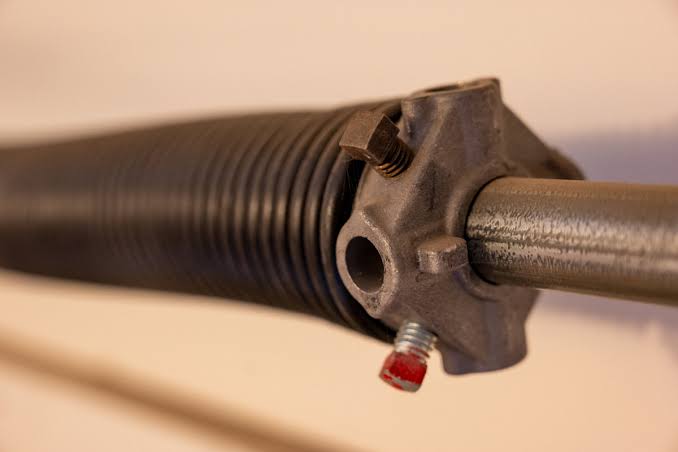
Torsion springs are mounted horizontally above the garage door opening on a metal shaft. They twist (torque) to lift the door. These are more common in modern homes because they are safer, last longer, and provide smoother operation. However, they are also more expensive to replace due to the complexity of installation.
Extension Springs
Extension springs are located on both sides of the door, running parallel to the horizontal tracks. They stretch to lift the door. While cheaper upfront, they are generally considered less safe because if they break, they can fly off with dangerous force unless equipped with safety cables. They also tend to have a shorter lifespan than torsion springs.
How Much Do Springs Cost For A Garage Door? (2026 Pricing Breakdown)
The total cost to replace garage door springs includes both the price of the parts and the labor. Here is what you can expect to pay in 2026 based on current market rates.
| Item | Average Cost Range | Notes |
|---|---|---|
| Single Torsion Spring (Part Only) | $40 – $100 | Price depends on wire size and cycle rating. |
| Pair of Torsion Springs (Parts) | $80 – $200 | Always recommended to replace in pairs. |
| Single Extension Spring (Part Only) | $20 – $50 | Cheaper but requires safety cables. |
| Professional Labor (Torsion) | $150 – $350 | High risk requires skilled technician. |
| Professional Labor (Extension) | $100 – $200 | Slightly easier but still dangerous. |
| Total Replacement Cost | $200 – $550 | Includes parts, labor, and service call. |
Note: Prices may vary by region, door weight, and spring cycle life.
Why Replacing in Pairs Matters
If your garage door has two torsion springs, experts strongly recommend replacing both at the same time. Even if only one is broken, the other has endured the same amount of stress and is likely near failure. Replacing both ensures balanced lifting and prevents another service call in a few months.
Factors That Influence Garage Door Spring Prices
Several variables affect the final bill. Understanding these can help you budget accurately.
1. Cycle Life Rating
Springs are rated by “cycles,” where one cycle equals one full open-and-close motion.
- Standard Springs (10,000 cycles): Last about 7–9 years with average use. Cheaper upfront.
- High-Cycle Springs (25,000+ cycles): Can last 15–20 years. More expensive initially but offer better long-term value.
2. Door Weight and Size
Heavier doors (such as double-car wooden doors) require thicker, stronger springs with larger wire diameters. These custom-sized springs cost more than standard ones used for lightweight single-car aluminum doors.
3. Geographic Location
Labor rates vary widely. Homeowners in major metropolitan areas like New York or San Francisco will pay significantly more for labor than those in rural areas.
4. Emergency Service Fees
If your door breaks on a weekend, holiday, or late at night, expect to pay an emergency premium, which can add $50–$100 to the total cost.
DIY vs. Professional Installation: Is It Worth the Risk?
This is the most critical decision you will make. While DIY videos might make it look simple, garage door spring replacement is one of the most dangerous home repairs.
The Dangers of DIY
Garage door torsion springs are wound under extreme tension—enough to lift 200+ pounds. If a winding bar slips or a clamp fails, the spring can unwind violently, potentially causing severe injury, broken bones, or even death. According to safety guidelines, improper handling can turn the spring into a lethal projectile.
For a deeper understanding of garage door mechanics and safety standards, you can refer to general safety resources such as Wikipedia’s entry on Garage Doors, which outlines the basic components and operational risks.
When to Hire a Pro
You should always hire a licensed professional if:
- You have torsion springs.
- You lack specialized tools (winding bars, vice grips, clamps).
- You are unsure about the correct spring size (wire diameter, length, and inside diameter).
- Your door is heavy or oversized.
When DIY Might Be Okay
DIY is only advisable for extension springs if you have mechanical experience, proper safety cables installed, and the right tools. Even then, proceed with extreme caution. Never attempt to adjust torsion springs without professional training.
Signs Your Garage Door Springs Need Replacement
Don’t wait for a complete breakage. Watch for these warning signs:
- Loud Bang: A sudden noise from the garage often indicates a spring has snapped.
- Door Won’t Open: The opener motor runs, but the door stays shut or only opens a few inches.
- Uneven Movement: The door tilts to one side as it moves.
- Visible Gaps: In torsion springs, you may see a visible gap in the coil where it broke.
- Cable Slack: If the lifting cables appear loose, the spring may have lost tension.
How to Extend the Lifespan of Your Garage Door Springs
While springs eventually wear out, you can maximize their life with proper maintenance.
- Lubricate Regularly: Use a silicone-based lubricant or white lithium grease on the springs every six months. Avoid WD-40 as it attracts dust and dries out.
- Balance Test: Disconnect the opener and manually lift the door halfway. If it stays in place, it is balanced. If it falls or rises, the springs are unevenly worn.
- Keep Tracks Clean: Debris in the tracks adds resistance, forcing the springs to work harder.
- Avoid Slamming: Let the door close gently. Impact stress can weaken springs over time.
FAQ Section
Q1: How long do garage door springs typically last?
A: Standard torsion springs last between 7 to 9 years (or 10,000 cycles). High-cycle springs can last 15 to 20 years. Extension springs generally have a shorter lifespan of 5 to 7 years.
Q2: Can I replace just one torsion spring?
A: It is highly recommended to replace both springs at the same time. Since they were installed together and have undergone the same wear, the second spring is likely to fail soon after the first one is replaced.
Q3: Why is garage door spring replacement so expensive?
A: The cost reflects the high risk involved. Technicians require specialized training, insurance, and tools to handle the extreme tension safely. The price also includes the cost of high-quality, durable parts and warranty coverage.
Q4: What happens if I ignore a broken garage door spring?
A: Your garage door opener is not designed to lift the full weight of the door. Attempting to use it can burn out the motor, strip gears, or damage the door panels. Additionally, a broken spring leaves your garage insecure and unusable.
Q5: Are there different sizes of garage door springs?
A: Yes, springs are highly specific. They vary by wire diameter, inside diameter, length, and wind direction (left-wound vs. right-wound). Using the wrong size can damage your door or be unsafe. Always match the specifications of the old spring or consult a professional.
Q6: Does homeowners insurance cover broken garage door springs?
A: Typically, no. Broken springs are considered wear-and-tear items, similar to brake pads on a car. Insurance usually covers sudden accidental damage (like a car hitting the door), not mechanical failure due to age.
Conclusion
Knowing how much do springs cost for a garage door empowers you to make smart decisions for your home. With total replacement costs ranging from $200 to $550, investing in high-cycle springs and professional installation ensures safety, longevity, and peace of mind. Remember, while DIY might seem tempting, the risks associated with torsion springs are too great to ignore.
If your garage door is acting up, don’t wait for it to fail completely. Regular maintenance and timely replacements can save you from costly emergencies. Found this guide helpful? Share it with your neighbors or on social media to help others stay safe and informed!
Leave a Reply