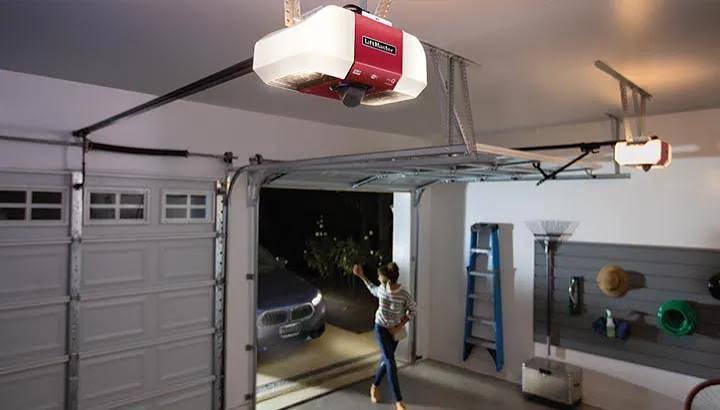
Upgrading your home’s convenience and security often starts in the garage. If you are tired of manually lifting that heavy door or worrying about whether you locked it behind you, you are likely wondering how much cost to install a garage door opener. This guide breaks down every expense, from the unit itself to labor fees, ensuring you budget accurately for this essential home improvement project.
Understanding the Total Investment
Before diving into specific numbers, it is crucial to understand that the total cost is not just the price of the motor. The final bill comprises three main components: the opener unit, necessary hardware/accessories, and professional labor (if you choose not to DIY).
On average, homeowners in the US spend between $300 and $1,200 for a complete installation. However, this range can fluctuate based on the sophistication of the technology and the complexity of your existing garage door structure.
Average Cost Breakdown by Opener Type
The type of drive mechanism significantly impacts the price. Here is a comparative look at the most common types available in 2026:
| Opener Type | Average Unit Cost | Installation Labor | Total Estimated Cost | Best For |
|---|---|---|---|---|
| Chain Drive | $150 – $250 | $150 – $250 | $300 – $500 | Budget-conscious buyers; detached garages |
| Belt Drive | $250 – $400 | $150 – $250 | $400 – $650 | Homes with bedrooms above/adjacent to garage |
| Screw Drive | $200 – $350 | $150 – $250 | $350 – $600 | Extreme temperature climates |
| Direct Drive | $300 – $500 | $150 – $300 | $450 – $800 | Low maintenance seekers |
| Smart/Wi-Fi Enabled | $400 – $600+ | $200 – $350 | $600 – $950+ | Tech-savvy users wanting remote access |
Note: Prices are estimates based on national averages and may vary by region.
What Factors Influence Installation Costs?
When calculating how much cost to install a garage door opener, several variables come into play. Understanding these will help you avoid unexpected charges from contractors.
1. Horsepower (HP) Requirements
Not all garage doors are created equal. A standard single-car door usually requires a 1/2 HP motor, which is the most affordable option. However, if you have a heavy wooden double-car door, you will need a 3/4 HP or 1 HP motor. These heavier-duty units cost more upfront but ensure longevity and smoother operation.
2. Additional Features and Accessories
Basic models open and close the door. Premium models offer features that add to the cost:
- Battery Backup: Essential for areas prone to power outages. Adds $50–$100.
- Wi-Fi Connectivity: Allows control via smartphone apps. Adds $30–$80.
- Security Cameras/Lights: Integrated LED lighting or camera systems can increase the price by $100+.
3. Condition of Existing Infrastructure
If your current garage door springs, cables, or tracks are worn out, a professional installer may refuse to install a new opener until these are repaired. Safety is paramount, and an unbalanced door can damage the new motor. Expect to pay an additional $100–$300 for spring replacement or track realignment.
4. Geographic Location
Labor rates vary significantly across the US. Installations in major metropolitan areas like New York or San Francisco will naturally carry higher labor costs compared to rural areas in the Midwest.
DIY vs. Professional Installation: Which Saves More?
One of the biggest questions homeowners face is whether to tackle the job themselves or hire a pro. Let’s weigh the pros and cons.
The DIY Route
If you are handy with tools, installing a garage door opener can save you roughly $150–$300 in labor costs. Most modern units come with detailed manuals and mounting templates.
- Pros: Significant cost savings; sense of accomplishment.
- Cons: Risk of injury; potential voiding of warranty if installed incorrectly; time-consuming (4–6 hours for beginners).
The Professional Route
Hiring a licensed technician ensures the job is done safely and correctly. Most professionals offer a warranty on their labor, typically ranging from 1 to 5 years.
- Pros: Speed (1–2 hours); safety assurance; warranty protection; proper disposal of old units.
- Cons: Higher upfront cost.
For complex setups, such as those involving smart home integration or high-ceiling garages, professional installation is highly recommended. You can read more about general safety standards for garage doors on Wikipedia to understand the mechanical risks involved.
Step-by-Step Overview of the Installation Process
Whether you hire a pro or do it yourself, knowing the steps helps you understand what you are paying for.
- Preparation: The installer inspects the door balance and reinforces the ceiling joists if necessary. A sturdy mounting point is critical for safety.
- Assembly: The rail is assembled and attached to the motor unit. For belt drives, tension is adjusted carefully to prevent slippage.
- Mounting: The header bracket is attached to the wall above the door, and the motor unit is lifted and secured to the ceiling mount.
- Connection: The arm is connected to the top of the garage door. Electrical wiring is connected to the power source and safety sensors.
- Programming: The travel limits (how far up and down the door goes) and force settings are calibrated. Remote controls and keypads are synced.
- Testing: The door is cycled multiple times to ensure smooth operation and that the auto-reverse safety feature works correctly.
Hidden Costs to Watch Out For
When budgeting for how much cost to install a garage door opener, keep these potential hidden fees in mind:
- Disposal Fees: Some companies charge $20–$50 to haul away your old opener.
- Permit Fees: While rare for simple replacements, some local municipalities require permits for electrical work, costing $50–$150.
- Emergency Service: If you need same-day installation, expect a premium surcharge of 20–30%.
Frequently Asked Questions (FAQ)
1. How long does it take to install a garage door opener?
A professional installer typically completes the job in 1 to 2 hours. If you are doing it yourself for the first time, allocate 4 to 6 hours to account for reading instructions and troubleshooting.
2. Can I install a new opener on an old garage door?
Yes, provided the door is in good working condition. The door must be balanced and move smoothly manually. If the door is sagging or stuck, repairs must be made before installation to prevent damage to the new motor.
3. Is a belt drive worth the extra cost?
For homes where the garage is attached to living spaces, yes. Belt drives are significantly quieter than chain drives because they use a rubber belt instead of a metal chain. This reduces vibration and noise, making them ideal for bedrooms located above the garage.
4. Do I need a permit to install a garage door opener?
In most US jurisdictions, replacing an existing opener does not require a permit. However, if you are adding new electrical wiring or installing an opener in a new construction setting, local building codes may apply. Always check with your local building department.
5. What is the lifespan of a garage door opener?
With regular maintenance, a quality garage door opener lasts 10 to 15 years. Chain drives tend to wear out faster due to metal-on-metal friction, while belt and direct drives often last longer.
Conclusion
Understanding how much cost to install a garage door opener empowers you to make informed decisions without overspending. Whether you opt for a budget-friendly chain drive or a premium smart belt drive, the investment enhances both the security and convenience of your home.
Remember, the cheapest option isn’t always the best value. Consider noise levels, durability, and smart features that match your lifestyle. If you are unsure about the technical aspects, hiring a professional ensures safety and peace of mind.
Found this guide helpful? Share it with your neighbors on Facebook or Pinterest who might also be considering upgrading their garage setup!
Leave a Reply