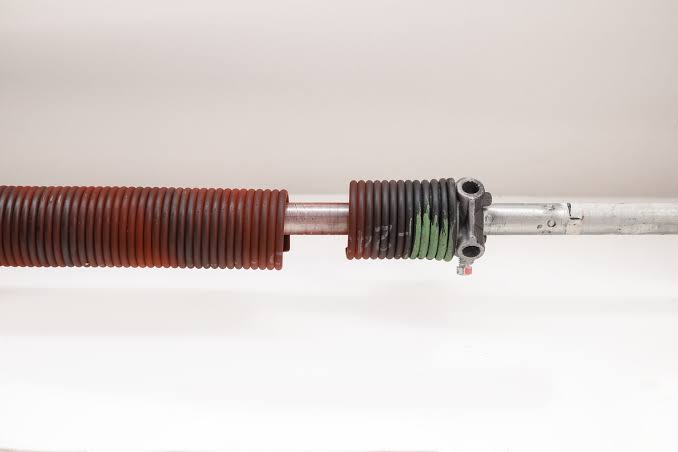
Is your garage door feeling heavier than usual, or perhaps it slams shut with alarming speed? These are classic signs that your torsion springs have lost their tension and need adjustment. If you are staring at your winding bars and wondering how many turns on a 7ft garage door spring, you are not alone. Getting this number right is critical for both the smooth operation of your door and your personal safety.
In this guide, we will break down the exact calculation, explain why precision matters, and walk you through the process safely. Whether you are a seasoned DIYer or a first-timer, understanding the mechanics behind your garage door can save you hundreds of dollars in service calls. Let’s dive into the specifics of balancing your 7-foot door.
Why Precision Matters: The Science Behind Spring Turns
Before we grab the winding bars, it is essential to understand why the number of turns is so specific. Garage door torsion springs work on the principle of torque. They store mechanical energy when wound up, which is then released to lift the heavy weight of the door.
If you under-wind the spring, the opener will struggle, leading to premature motor failure. If you over-wind it, the door may fly open uncontrollably, posing a severe safety hazard. According to industry standards, each quarter-turn adds a specific amount of lifting force. For a standard residential door, even a half-turn difference can be noticeable in performance.
The general rule of thumb used by professionals is that one full turn of the spring equals approximately one foot of door height. However, this is just a baseline. Various factors, such as the weight of the door, the type of springs (standard vs. high-cycle), and the drum size, can influence the final count.
The Golden Rule: How Many Turns for a 7ft Door?
So, what is the magic number? For a standard single-car garage door that is 7 feet tall, the typical requirement is 30 to 32 quarter-turns.
To clarify, this means:
- 30 Quarter-Turns = 7.5 Full Turns
- 32 Quarter-Turns = 8 Full Turns
Most technicians will start with 7.5 to 8 full turns for a 7-foot door. This range accounts for minor variations in door weight and spring wire thickness. It is always recommended to start on the lower end (7.5 turns) and test the door’s balance before adding more tension.
Understanding Quarter-Turns vs. Full Turns
When adjusting torsion springs, we measure in “quarter-turns” because the winding cone has four holes. You insert the winding bar into one hole, turn it 90 degrees (a quarter turn), move the bar to the next hole, and repeat. This incremental approach prevents the spring from slipping and allows for precise tension control.
| Door Height | Estimated Full Turns | Estimated Quarter-Turns |
|---|---|---|
| 6 Feet | 6 – 6.5 | 24 – 26 |
| 7 Feet | 7.5 – 8 | 30 – 32 |
| 8 Feet | 8.5 – 9 | 34 – 36 |
Note: These are general estimates. Always consult your spring’s specification sheet if available.
Step-by-Step Guide: Adjusting Your 7ft Garage Door Spring
Warning: Adjusting garage door springs is dangerous. Torsion springs are under extreme tension. If you are unsure, please hire a professional. If you proceed, wear safety glasses and use proper steel winding bars—never use screwdrivers or makeshift tools.
Step 1: Secure the Door and Disconnect Power
Ensure the garage door is fully closed. Disconnect the garage door opener by pulling the release cord. This prevents the motor from engaging while you work. Clamp the door tracks below the bottom rollers to prevent the door from moving unexpectedly.
Step 2: Locate the Winding Cone
Identify the torsion spring above the door. You will see a winding cone with four holes at the end of the spring. Insert your two steel winding bars into two adjacent holes. One bar will act as a safety lock while you adjust with the other.
Step 3: Release Existing Tension (If Replacing)
If you are replacing a broken spring, you must first unwind the old spring. Keep a firm grip on the winding bars. Slowly release the tension by letting the bar unwind quarter-turn by quarter-turn. Never let go of the bar until the spring is completely unwound.
Step 4: Apply the Correct Number of Turns
For a 7-foot door, aim for 7.5 full turns initially.
- Insert the winding bar into the top hole of the cone.
- Push the bar up to rotate the cone 90 degrees (one quarter-turn).
- Move the second bar to the next available hole to hold the tension.
- Remove the first bar and reinsert it into the next hole.
- Repeat this process until you reach 30 quarter-turns (7.5 full turns).
Step 5: Test the Balance
Remove the clamps from the tracks. Lift the door manually to about waist height. Let go. A properly balanced door should stay in place. If it falls, add more tension (one quarter-turn at a time). If it rises, reduce tension.
For more detailed safety guidelines on garage door mechanisms, you can refer to the Consumer Product Safety Commission resources, which provide comprehensive data on home safety standards.
Common Mistakes to Avoid
Even experienced DIYers can make errors when adjusting springs. Here are the most common pitfalls:
- Counting Incorrectly: It is easy to lose count. Use a piece of tape on the spring or a marker to track every quarter-turn.
- Using Improper Tools: As mentioned, never use screwdrivers. They can slip, causing serious injury. Only use hardened steel winding bars designed for this purpose.
- Ignoring Door Weight: If you have added insulation or windows to your door, it may be heavier than standard. You might need an extra half-turn or full turn.
- Neglecting Lubrication: After adjusting, lubricate the springs with a silicone-based spray. This reduces friction and extends the life of the spring.
FAQ: Frequently Asked Questions
Q1: Can I use fewer turns if my door feels light?
A: While a lighter door may require slightly less tension, it is risky to deviate significantly from the standard. Start with 7.5 turns and test. If the door stays put at waist height, you are good. If it rises slowly, you can reduce by one quarter-turn, but rarely go below 7 full turns for a 7ft door.
Q2: What happens if I add too many turns?
A: Over-winding puts excessive stress on the spring, cables, and drums. This can lead to premature spring breakage, cable snap, or damage to the garage door opener. In extreme cases, the door may shoot open violently, causing property damage or injury.
Q3: Do left-hand and right-hand springs need the same number of turns?
A: Yes. Both springs on a dual-spring system should have the exact same number of turns. Uneven tension can cause the door to operate unevenly, leading to track misalignment and wear on the rollers.
Q4: How often do I need to adjust the turns?
A: Ideally, you should not need to adjust the turns frequently. Springs lose tension over time due to metal fatigue. If you find yourself constantly adding turns, it may be time to replace the springs rather than adjust them. Most standard springs last 10,000 cycles (approx. 7-10 years).
Q5: Is there a difference between steel and galvanized springs?
A: The material does not significantly change the number of turns required for a specific door height. However, galvanized springs are more resistant to rust, which can help maintain consistent tension over time in humid climates.
Q6: Can I adjust the spring without closing the door?
A: No. Always ensure the door is fully closed and secured before adjusting torsion springs. Working on an open door releases the counterbalance, making the door extremely heavy and unstable.
Conclusion
Knowing how many turns on a 7ft garage door spring is a valuable skill for any homeowner. The sweet spot is typically 7.5 to 8 full turns (30–32 quarter-turns). By following the step-by-step guide above and prioritizing safety, you can ensure your garage door operates smoothly and efficiently.
Remember, precision is key. Start with the lower estimate, test the balance, and adjust incrementally. If you ever feel uncomfortable or notice unusual noises, do not hesitate to call a professional. Your safety is worth more than any DIY savings.
Did you find this guide helpful? Share it with your friends on social media who might be struggling with their garage doors! Let’s help everyone keep their homes safe and functional.
Leave a Reply