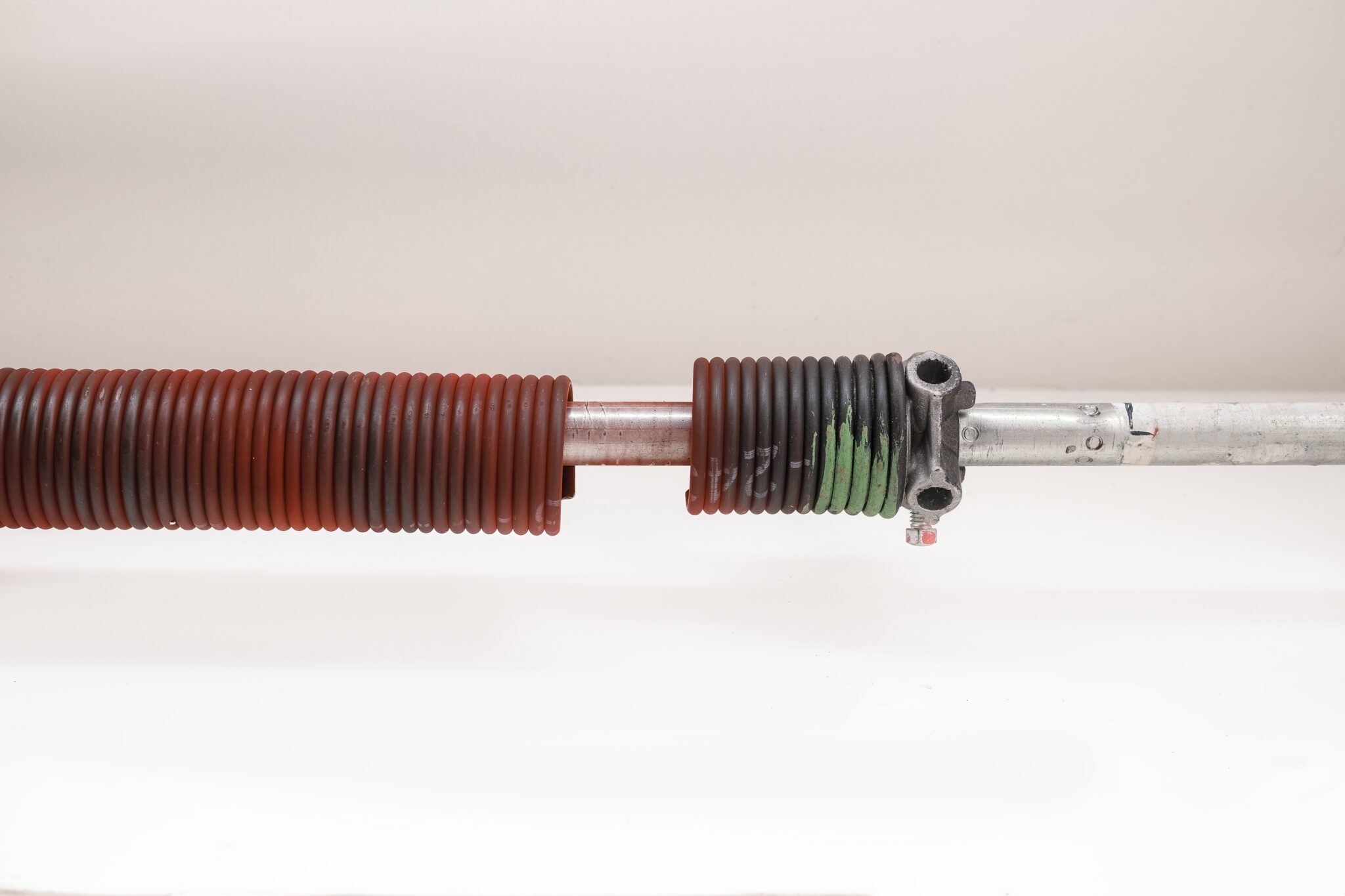
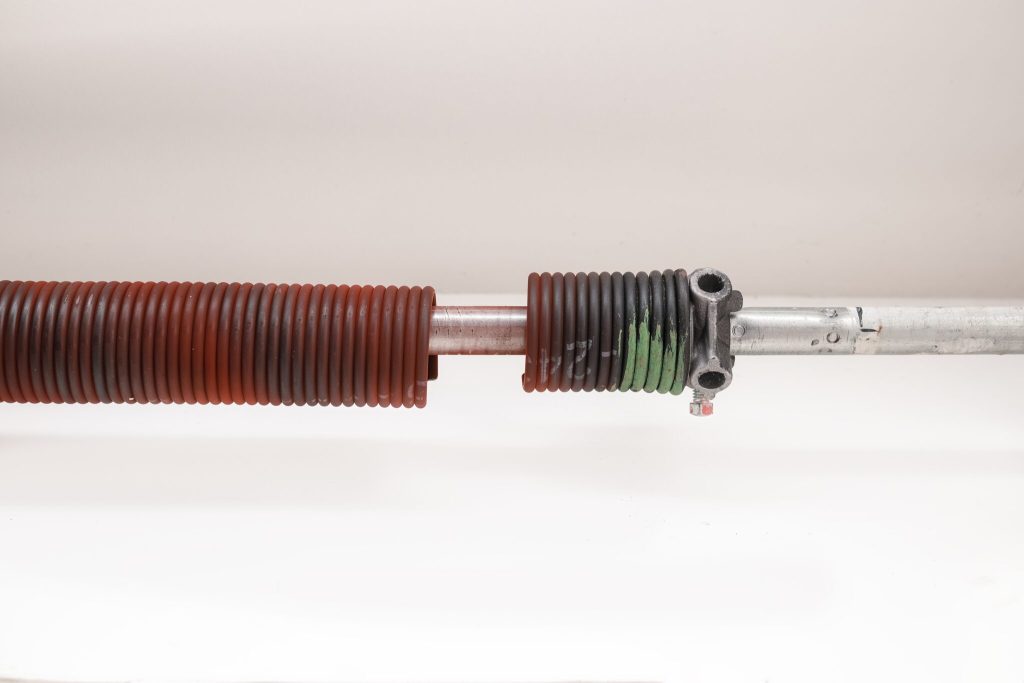
Is your 16×8 garage door feeling heavy, uneven, or difficult to open manually? You’re not alone—improper spring tension is one of the most common causes of garage door malfunction. Knowing how many turns on a 16×8 garage door spring is critical for restoring balance, ensuring safety, and extending the lifespan of your door system. In this comprehensive guide, we’ll walk you through everything you need to know, from calculating the correct number of turns to performing the adjustment safely.
Why Getting the Right Number of Turns Matters
Garage door springs are the unsung heroes of your overhead door system. They counterbalance the weight of the door, making it easy to lift with minimal effort. When the spring tension is incorrect, several problems can arise:
- The door may slam shut or fail to stay open
- Uneven movement can damage tracks and rollers
- Premature wear on the opener motor
- Safety hazards if the spring is under excessive tension
For a standard 16-foot wide by 8-foot tall garage door, getting the turn count right isn’t just about convenience—it’s about safety and functionality.
Understanding Garage Door Springs: Torsion vs. Extension
Before diving into turn calculations, it’s essential to understand which type of spring your 16×8 door uses.
Torsion Springs
Mounted horizontally above the door opening, torsion springs are wound tightly to store energy. They are measured by:
- Wire size (thickness)
- Inside diameter
- Length
- Number of quarter-turns
Extension Springs
Located on either side of the horizontal track, extension springs stretch as the door closes. These don’t use “turns” in the same way but rely on proper cable tension and pulley systems.
Most 16×8 residential garage doors use torsion springs, which is what we’ll focus on in this guide. For more technical background on spring mechanics, you can refer to Wikipedia’s article on torsion springs.
How Many Turns on a 16×8 Garage Door Spring?
The short answer: A typical 16×8 garage door requires between 7.5 to 8.5 full turns (or 30 to 34 quarter-turns) on each torsion spring. However, this number can vary based on several factors.
Factors That Influence Turn Count
| Factor | Impact on Turns |
|---|---|
| Door Weight | Heavier doors require more turns |
| Spring Wire Size | Thicker wires hold more tension per turn |
| Spring Length | Longer springs may need fewer turns |
| Cable Drum Size | Larger drums change leverage ratio |
| Door Material | Steel doors weigh more than aluminum |
General Guidelines by Door Weight
- Lightweight doors (130–150 lbs): 7–7.5 turns
- Standard steel doors (160–180 lbs): 7.5–8 turns
- Heavy insulated doors (190–220 lbs): 8–8.5 turns
- Extra-heavy custom doors (220+ lbs): 8.5–9+ turns
Step-by-Step: How to Determine the Correct Number of Turns
Follow these steps to calculate and apply the proper tension for your 16×8 garage door spring.
Step 1: Identify Your Spring Specifications
Look for markings on your existing spring. You should find:
- Wire size (e.g., 0.250 inches)
- Inside diameter (e.g., 2 inches)
- Length (e.g., 32 inches)
- Direction of wind (left or right)
If the spring is broken or unreadable, measure these dimensions carefully.
Step 2: Calculate Based on Door Height
A reliable rule of thumb used by professionals is:
Number of turns = (Door height in feet × 4) + adjustment factor
For an 8-foot door:
- Base calculation: 8 × 4 = 32 quarter-turns
- Convert to full turns: 32 ÷ 4 = 8 full turns
This is your starting point. Adjust up or down based on door weight.
Step 3: Account for Door Weight
Weigh your door or estimate based on material:
- Single-layer steel: ~160 lbs
- Double-layer insulated: ~180–200 lbs
- Triple-layer premium: ~200–230 lbs
Add 0.25 turns for every 10 lbs over 160 lbs.
Example: If your door weighs 180 lbs:
- Base: 8 turns
- Additional: (180 – 160) ÷ 10 × 0.25 = 0.5 turns
- Total: 8.5 turns
Step 4: Wind the Spring Safely
⚠️ WARNING: Garage door springs are under extreme tension. Improper handling can cause serious injury or death. If you’re unsure, hire a professional.
If proceeding:
- Insert winding bars into the cone holes
- Keep firm grip on both bars at all times
- Turn in the direction indicated on the spring (usually marked)
- Count each quarter-turn carefully
- Stop when you reach your calculated number
Step 5: Test the Balance
After winding:
- Disconnect the opener
- Lift the door manually to halfway
- Release it—it should stay in place
- If it falls, add 0.25 turns
- If it rises, reduce by 0.25 turns
Common Mistakes to Avoid
Even experienced DIYers make these errors:
- Counting incorrectly: Always count quarter-turns, then convert to full turns
- Uneven winding: Both springs must have identical turn counts
- Ignoring cable position: Cables must sit properly in drum grooves
- Skipping the balance test: Never assume the calculation is perfect without testing
- Using inadequate tools: Only use proper winding bars, never screwdrivers or pry bars
When to Call a Professional
While knowing how many turns on a 16×8 garage door spring is valuable information, some situations warrant professional help:
- Broken or severely worn springs
- Damaged cables or drums
- Uncertainty about spring specifications
- Lack of proper tools or confidence
- Previous failed DIY attempts
Professional garage door technicians typically charge $150–$350 for spring replacement and adjustment, which includes warranty coverage and liability insurance.
FAQ Section
Q1: Can I use different numbers of turns on each spring?
No. Both torsion springs on a 16×8 garage door must have exactly the same number of turns. Uneven tension will cause the door to operate unevenly, potentially damaging tracks, rollers, and the opener motor. Always count carefully and verify both springs match.
Q2: What happens if I add too many turns?
Over-winding creates excessive tension, which can lead to:
- Premature spring failure
- Strain on the opener motor
- Difficulty closing the door
- Potential cable snap or drum damage
If you suspect over-winding, reduce tension by 0.25 turns and retest.
Q3: How often do garage door springs need adjustment?
Properly installed springs shouldn’t require regular adjustment. However, you may need to adjust them if:
- The door becomes unbalanced over time
- Springs are replaced with different specifications
- Cables are replaced or repositioned
- Seasonal temperature changes affect tension slightly
Most springs last 7–12 years or 10,000–15,000 cycles before needing replacement.
Q4: Does temperature affect the number of turns needed?
Yes, but minimally. Cold temperatures can make springs slightly stiffer, while heat can relax them. In extreme climates, you might adjust by ±0.25 turns seasonally, but this is rarely necessary for most homeowners.
Q5: Can I convert my extension springs to torsion springs?
Yes, but it’s a complex project requiring new hardware, brackets, and professional expertise. Torsion springs are generally safer, smoother, and longer-lasting than extension springs. Consult a garage door specialist for conversion quotes.
Q6: What tools do I need to adjust garage door spring turns?
Essential tools include:
- Two solid steel winding bars (correct diameter for your spring cones)
- Socket wrench set
- Locking pliers
- Safety glasses
- Work gloves
- Ladder
Never substitute improper tools like screwdrivers, which can slip and cause injury.
Conclusion
Knowing how many turns on a 16×8 garage door spring empowers you to maintain your garage door safely and efficiently. For most standard 16×8 doors, 8 full turns (32 quarter-turns) serves as an excellent starting point, with adjustments based on door weight and material.
Remember: safety first. If you’re ever uncertain, consult a licensed garage door technician. Proper spring tension ensures smooth operation, extends equipment life, and protects your family from potential hazards.
Found this guide helpful? Share it with friends, family, or neighbors who might be struggling with their garage door. Bookmark this page for future reference, and don’t hesitate to leave a comment with your questions or experiences!
Leave a Reply