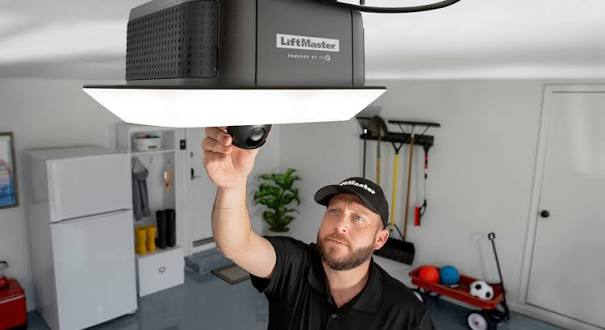
Power outages are unpredictable, but your need for security and convenience shouldn’t be. If you rely on an automatic garage door, knowing how long does a garage door backup battery last is crucial for peace of mind. Whether you are preparing for storm season or simply tired of being locked out during a blackout, understanding your battery’s lifespan helps you stay prepared.
In this guide, we will break down exactly what affects battery longevity, how to test it, and when it is time for a replacement. Let’s ensure your home remains accessible, no matter what happens to the grid.
Understanding the Average Lifespan
The short answer to how long does a garage door backup battery last varies depending on the type of battery and usage frequency. However, most standard sealed lead-acid (SLA) batteries found in residential garage door openers typically last between 3 to 5 years.
Newer models utilizing Lithium-ion technology may offer a slightly longer lifespan, often ranging from 5 to 7 years, due to their superior chemical stability and resistance to degradation. It is important to note that these figures represent the total service life of the battery, not just how long it holds a charge during a single outage.
Factors That Influence Battery Life
Several variables can shorten or extend this timeline. Being aware of them allows you to maximize your investment:
- Temperature Fluctuations: Garages are often uninsulated. Extreme heat accelerates chemical reactions inside the battery, leading to faster degradation. Conversely, extreme cold can reduce immediate capacity.
- Frequency of Use: If you use the backup feature frequently (e.g., during frequent local blackouts), the battery undergoes more charge-discharge cycles, which naturally wears it out faster.
- Maintenance Habits: Dust buildup on terminals or lack of periodic testing can lead to unnoticed failures.
- Battery Quality: OEM (Original Equipment Manufacturer) batteries often have stricter quality controls than generic third-party replacements.
How Long Will It Power My Door During an Outage?
While the total lifespan is measured in years, homeowners often confuse this with runtime. When the power goes out, how many times can you actually open and close the door?
Most modern garage door openers with backup systems are designed to provide approximately 20 to 50 cycles (open and close operations) on a full charge. This depends heavily on the weight of your door and the efficiency of the motor.
| Battery Type | Average Total Lifespan | Estimated Cycles per Charge | Maintenance Level |
|---|---|---|---|
| Sealed Lead-Acid (SLA) | 3–5 Years | 20–30 Cycles | Low |
| Lithium-Ion | 5–7 Years | 40–50+ Cycles | Very Low |
| Nickel-Cadmium (Older) | 2–4 Years | 15–20 Cycles | High |
Note: These are general estimates. Always consult your specific opener’s manual for precise ratings.
Signs Your Backup Battery Is Failing
You do not want to discover your battery is dead during an emergency. Here are the common red flags indicating it is time for a replacement:
- Slow Operation: The door moves significantly slower than usual when running on backup power.
- Beeping Alerts: Many modern openers emit a chirp or beep every few minutes to signal low battery voltage.
- Failure to Operate: The door does not respond at all when the main power is disconnected.
- Physical Damage: Look for swelling, leakage, or corrosion on the battery terminals.
If you notice any of these signs, do not wait. A failing battery can sometimes damage the opener’s control board if it leaks acid or causes voltage irregularities.
Step-by-Step: How to Test Your Garage Door Battery
Testing your battery is simple and should be done at least twice a year. Follow these concrete steps to ensure accuracy:
- Locate the Backup Unit: Identify the battery compartment on your garage door opener motor unit. It is usually a small box attached to the side or back.
- Disconnect Main Power: Unplug the opener from the wall outlet or turn off the circuit breaker. This simulates a power outage.
- Operate the Door: Use your wall console or remote to open and close the door.
- Observe Performance: The door should operate at near-normal speed. If it struggles, stops halfway, or makes unusual noises, the battery is likely weak.
- Reconnect Power: Plug the unit back in. The opener will automatically begin recharging the battery. Full recharge can take up to 24 hours.
For a more technical assessment, you can use a multimeter. A healthy 12V SLA battery should read between 12.6V and 12.8V when fully charged. Anything below 12.0V indicates significant degradation.
Maintenance Tips to Extend Battery Life
Proper care can help you get the maximum value from your battery. Here are expert-recommended practices:
- Keep It Clean: Wipe down the battery casing and terminals with a dry cloth. Corrosion can increase resistance and reduce efficiency.
- Avoid Deep Discharges: Try not to let the battery drain completely. Frequent deep discharges harm lead-acid batteries more than shallow ones.
- Check Connections: Ensure the wires connecting the battery to the opener are tight and free of rust. Loose connections can cause intermittent failures.
- Climate Control: If possible, insulate your garage or install a small fan to mitigate extreme temperature swings.
For more detailed information on battery chemistry and safety standards, you can refer to the comprehensive guide on Wikipedia’s Lead-Acid Battery page.
Replacing the Battery: What You Need to Know
When it is time to replace the battery, follow these guidelines to ensure compatibility and safety:
- Identify the Model: Check the label on your existing battery for voltage (usually 12V) and amp-hour (Ah) rating (commonly 4.5Ah to 7Ah).
- Buy the Right Type: Stick to the same technology (SLA or Lithium) unless your opener specifically supports upgrades.
- Safety First: Wear gloves and eye protection. Although sealed batteries are low-risk, acid leaks can still occur in damaged units.
- Recycle Properly: Do not throw old batteries in the trash. Take them to a local auto parts store or recycling center that accepts lead-acid batteries.
FAQ Section
Q: Can I use a car battery for my garage door opener?
A: While technically possible if the voltage matches, it is not recommended. Car batteries are designed for high-current bursts, not the deep-cycle discharge required by garage door openers. They may also be too large and heavy for the designated compartment.
Q: Why does my backup battery die so quickly in winter?
A: Cold temperatures slow down the chemical reactions inside the battery, reducing its effective capacity. This is temporary, but if the battery is already old, the cold may push it past its limit. Keeping your garage warmer can help.
Q: How long does it take to fully recharge a garage door battery?
A: Most manufacturers state that a full recharge takes between 24 to 48 hours after a complete discharge. Avoid testing the battery repeatedly during this window to allow it to reach full capacity.
Q: Is it safe to leave the battery connected all the time?
A: Yes. Modern garage door openers have smart charging circuits that prevent overcharging. The battery stays in a “float” charge state, which maintains its health without damaging it.
Q: Can I upgrade from a lead-acid to a lithium battery?
A: Only if your opener’s manufacturer explicitly states compatibility. Lithium batteries have different charging profiles and voltage characteristics. Using an incompatible battery can void your warranty or damage the opener’s logic board.
Conclusion
Knowing how long does a garage door backup battery last empowers you to maintain a secure and functional home. With an average lifespan of 3 to 5 years for standard models, regular testing and proper maintenance are key to avoiding unexpected failures. By recognizing the signs of wear and following simple care tips, you can ensure your garage door operates smoothly, even when the lights go out.
Don’t wait for a storm to check your battery. Take a few minutes today to test your system, and share this guide with friends and family who might also be unaware of their backup power status. Stay prepared, stay safe, and keep your home accessible.
Leave a Reply