Introduction
There is nothing quite as frustrating as pulling the emergency release cord during a power outage or malfunction, only to realize later that your automatic opener no longer engages. If you are currently staring at a disconnected trolley and wondering how do you reattach a garage door after manual release, you are not alone; this is one of the most common homeowner maintenance issues. The good news is that reconnecting the system is usually a simple, tool-free process that takes less than five minutes when done correctly. This guide will walk you through the safe, manufacturer-approved method to get your garage door back on track without damaging the opener or risking injury.
Understanding the Emergency Release Mechanism
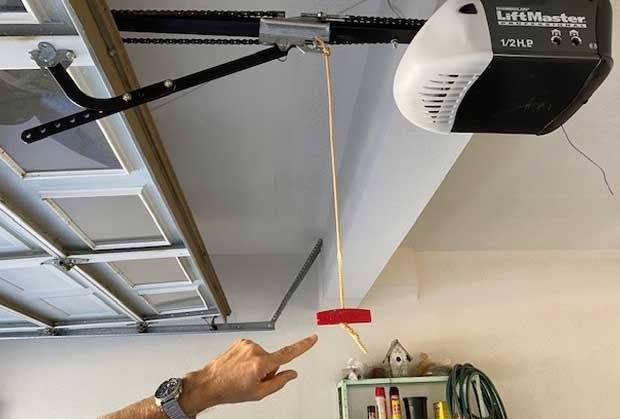
Before attempting to fix the issue, it is vital to understand what actually happened when you pulled that red cord. The emergency release cord is connected to a spring-loaded lever on the trolley (the part that moves along the rail). When pulled, this lever disengages the trolley from the opener’s carriage, allowing you to open and close the door manually during emergencies.
According to technical documentation referenced on Wikipedia, modern residential openers utilize a direct-drive or chain/belt-drive system where the mechanical connection between the motor and the door is purely physical. When you pull the release, you are physically separating these two components. Reattaching them requires realigning the spring-loaded latch so it can “click” back into the drive mechanism. Understanding this mechanical relationship prevents users from forcing parts, which is the leading cause of broken release levers.
Safety First: Critical Precautions Before Reconnecting
Safety must be your primary concern when working with overhead garage doors. These systems operate under high tension and involve heavy moving parts.
- Keep Hands Clear: Never place fingers near the trolley or rail joints while the opener is powered. Pinch points can cause severe injury.
- Verify Door Balance: Before reattaching, lift the door manually halfway. It should stay in place. If it slams down or shoots up, your springs are unbalanced. Do not reconnect the opener until a professional repairs the springs. An unbalanced door can destroy an opener motor.
- Clear the Area: Ensure no people, pets, or objects are in the door’s path.
- Disconnect Power (Optional but Recommended): While many reconnections can be done with power on, unplugging the unit eliminates the risk of accidental activation during the alignment process.
Step-by-Step: How Do You Reattach A Garage Door After Manual Release
Follow these precise steps to safely reconnect your garage door opener. This method applies to most major brands, including LiftMaster, Chamberlain, Genie, and Craftsman.
1. Position the Door Correctly
The trolley and the opener carriage must be aligned for the latch to engage. Close the garage door completely. If the door is open, the trolley may be positioned too far back, making reconnection impossible without manually sliding it forward.
2. Locate the Release Handle and Latch
Find the red emergency release cord hanging from the trolley assembly on the rail. Look closely at the metal lever attached to the cord. You will see a spring-loaded latch mechanism. On some models, there is also a secondary locking tab that must be depressed.
3. Align the Trolley with the Carriage
With the door closed, the opener’s drive carriage (connected to the chain or belt) should be resting near the trolley. If they are separated by more than an inch, you may need to briefly activate the opener using the wall button to move the carriage toward the trolley. Stop immediately once they are within ½ inch of each other.
4. Engage the Latch
Firmly grasp the release handle and pull it toward the motor head (or in the direction indicated by the arrow stamped on the trolley). You should feel resistance from the internal spring. Hold the handle in this engaged position, then gently slide the trolley toward the carriage until you hear and feel a distinct “click.”
5. Verify the Connection
Release the handle slowly. The latch should remain locked in the engaged position. Gently tug on the trolley to confirm it is securely attached to the carriage. There should be zero independent movement between the two parts.
6. Test the System
Restore power if disconnected. Press the wall control button. Observe the first cycle carefully. The door should move smoothly without grinding, jerking, or slipping. Listen for any unusual noises that might indicate partial engagement.
Troubleshooting: When the Latch Won’t Click Back
Sometimes, simply pulling the handle isn’t enough. Here are solutions for common reattachment failures:
| Problem | Likely Cause | Solution |
|---|---|---|
| Handle won’t pull fully | Debris or rust in latch mechanism | Clean with compressed air; apply silicone lubricant |
| Clicks but slips immediately | Worn latch spring or bent lever | Inspect for damage; replace trolley assembly if worn |
| Trolley and carriage misaligned | Opener limit settings off | Adjust travel limits per manufacturer manual |
| Excessive resistance | Door obstruction or track binding | Inspect tracks, rollers, and hinges for damage |
| Motor runs but door doesn’t move | Partial engagement or stripped gear | Disconnect immediately; inspect internal drive gear |
Expert Insight: According to data from the International Door Association, over 30% of DIY garage door repairs fail due to improper re-engagement of the release mechanism. If the latch feels mushy or fails to hold after three attempts, the internal spring has likely fatigued. Continuing to force it will break the lever permanently. At this point, replacing the trolley assembly ($25–$45 part) is more cost-effective than risking motor damage.
Preventive Maintenance to Avoid Future Disconnections
Once you’ve successfully learned how do you reattach a garage door after manual release, take steps to minimize future occurrences:
- Monthly Lubrication: Apply white lithium grease or silicone spray to the trolley rail and latch mechanism every 30 days. Dry mechanisms are the #1 cause of stuck release levers.
- Annual Professional Inspection: Have a certified technician check spring tension, track alignment, and opener force settings yearly. Properly balanced doors reduce strain on the release mechanism.
- Avoid Unnecessary Pulls: Only use the emergency release during actual power outages or opener failures. Using it as a convenience feature accelerates wear.
- Install Battery Backup: Modern openers with integrated battery backups eliminate the need for manual release during most power interruptions, preserving the mechanical linkage.
Frequently Asked Questions (FAQ)
Can I reattach the garage door while the opener is plugged in?
Yes, in most cases you can reattach the door with power connected, provided you keep hands clear of moving parts and the door is fully closed. However, if you feel uncomfortable or the trolley requires significant force to align, disconnecting power adds a critical safety margin. Always prioritize caution over speed.
Why does my garage door keep disconnecting after reattachment?
Repeated disconnection typically indicates a worn latch spring, bent release lever, or misaligned rail. It can also signal that your door is out of balance, causing excessive vibration that shakes the latch loose. If the problem persists after proper reconnection, schedule a professional inspection to diagnose underlying mechanical issues.
Is it normal for the release handle to be stiff or hard to pull?
Some resistance is expected due to the internal spring, but extreme stiffness suggests corrosion, debris buildup, or lack of lubrication. Apply silicone-based lubricant to the pivot points and work the handle gently. If stiffness remains after cleaning and lubricating, the mechanism may need replacement. Never use excessive force, as plastic levers can snap.
How often should I test the emergency release cord?
Test the release cord twice annually—once in spring and once in fall—to ensure it operates smoothly and re-engages properly. Regular testing prevents the mechanism from seizing due to dust accumulation or corrosion. Always verify re-engagement works correctly after each test.
What if my opener model doesn’t have a visible release handle?
Some newer direct-drive openers use an internal auto-release mechanism or a different engagement style. Consult your specific model’s owner manual or the manufacturer’s website for exact reconnection procedures. Forcing a non-standard mechanism can void warranties and cause damage. When in doubt, contact the manufacturer’s support line or a licensed technician.
Can I use pliers or tools to help engage the latch?
No. The release mechanism is designed for hand operation only. Using tools concentrates force on small plastic or metal components not engineered for torque, leading to cracks, bends, or complete failure. If hand pressure cannot engage the latch, the component is defective and requires replacement rather than mechanical assistance.
Conclusion
Knowing how do you reattach a garage door after manual release empowers you to handle one of the most common garage door hiccups confidently and safely. By following the step-by-step alignment process, prioritizing safety checks, and performing regular preventive maintenance, you can restore automatic operation in minutes without costly service calls. Remember: patience and proper technique always beat force when dealing with precision mechanical systems.
If this guide helped you get your garage door back on track, please share it on social media to help fellow homeowners avoid the same frustration. Tag a friend who’s been battling their garage door lately—they’ll thank you! Safe repairing! 🛠️
Leave a Reply