Introduction
There are few things more frustrating than pressing your remote and hearing nothing but silence or a strained grinding noise from your garage. If you are currently standing in your driveway wondering, “How do you know if garage door motor is bad?” you are not alone; this is one of the most common homeowner maintenance headaches. Identifying the root cause early can save you hundreds of dollars in emergency repairs and prevent safety hazards associated with failing mechanical systems.
In this comprehensive guide, we will walk you through the definitive signs of motor failure, distinguish between motor issues and simple track misalignments, and provide actionable steps to diagnose the problem safely. Whether you are a DIY enthusiast or simply want to be informed before calling a technician, this article covers everything you need to know.
What Are the Early Warning Signs of a Failing Garage Door Motor?
Before a motor dies completely, it usually communicates its distress. Understanding these subtle cues is the first step in answering the question, how do you know if garage door motor is bad. Ignoring these signs often leads to total system failure at the most inconvenient times.
1. Unusual Noises: Grinding, Screeching, or Humming
A healthy garage door opener operates with a consistent, low hum. When internal gears strip or bearings fail, the sound profile changes dramatically.
- Grinding: Often indicates stripped nylon drive gears inside the motor housing. This is common in chain-drive openers after 10+ years of use.
- High-Pitched Screeching: Suggests lack of lubrication or failing roller bearings, though it can sometimes be mistaken for motor trouble.
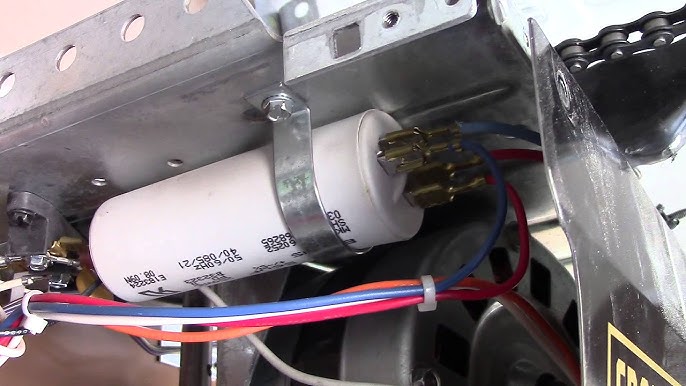
- Loud Humming Without Movement: This is a critical red flag. It typically means the motor capacitor has failed or the motor windings are burnt out, preventing the unit from generating enough torque to lift the door.
2. Inconsistent Operation or Intermittent Failure
Does your door work perfectly in the morning but refuse to close at night? Intermittent operation is a classic symptom of an overheating motor or failing logic board. Modern motors have thermal overload sensors that shut the unit down to prevent fire hazards. If the motor works once, stops for 15 minutes, and then works again, the internal components are likely reaching dangerous temperatures.
3. The Door Reverses Before Hitting the Floor
While this is often a safety sensor issue, it can also indicate a motor struggling to maintain consistent force. If the motor cannot sustain the necessary torque due to internal wear, the system’s safety protocols may interpret the resistance as an obstruction, triggering an automatic reverse.
How Can I Test My Garage Door Motor Myself?
Safety must always come first. According to general engineering principles documented on Wikipedia, modern garage door openers are complex electromechanical devices that store significant kinetic energy. Always disconnect power before touching internal components.
Here is a safe, step-by-step diagnostic process:
Step 1: Perform the Manual Balance Test
Before blaming the motor, verify the door itself is functional.
- Close the door completely.
- Pull the emergency release cord (usually red) to disengage the trolley from the motor.
- Lift the door manually. It should lift smoothly with minimal effort and stay open halfway up.
- Result: If the door is heavy or slams shut, your springs are broken, not the motor. A bad spring puts excessive strain on the motor, mimicking motor failure.
Step 2: Check the Power Source and Capacitor
- Verify the outlet is live by plugging in a lamp or voltage tester.
- Inspect the GFCI outlet; these frequently trip in garages due to humidity.
- If the motor hums but doesn’t move, and the door is balanced, the start capacitor is likely dead. This is a $20–$40 part replacement versus a $300+ motor replacement.
Step 3: Inspect the Drive Gear Assembly
For chain and belt drives, remove the motor cover (power disconnected!) and inspect the white nylon gear. If it looks like sawdust has accumulated beneath it, the gear is stripped. The motor spins, but no power transfers to the chain. This confirms the motor assembly needs service, even if the electric motor itself is fine.
Motor vs. Other Components: A Quick Diagnostic Table
Misdiagnosis is expensive. Use this comparison table to isolate the issue accurately.
| Symptom | Likely Cause | Is It the Motor? | Estimated Fix Cost (USD) |
|---|---|---|---|
| Loud grinding + door won’t move | Stripped drive gear | Partially (gear kit) | $80 – $150 |
| Humming + door won’t move | Bad capacitor or burnt windings | Yes | $30 – $250 |
| Door reverses randomly | Misaligned safety sensors | No | $0 – $100 |
| Remote works intermittently | Logic board or interference | Partially | $100 – $200 |
| Door is heavy to lift manually | Broken torsion/extension spring | No | $150 – $350 |
| Complete silence + no lights | Blown fuse or dead outlet | No | $10 – $50 |
Expert Insight: Industry data suggests that nearly 40% of “bad motor” service calls are actually caused by broken springs or obstructed tracks. Always perform the manual balance test before purchasing a replacement opener.
When Should You Repair vs. Replace Your Garage Door Motor?
Knowing how do you know if garage door motor is bad also involves understanding economic viability. Not every failure warrants a full replacement.
Opt for Repair When:
- The unit is less than 7 years old.
- Only the drive gear, capacitor, or logic board has failed.
- The motor housing and rail system are in excellent condition.
- Parts are readily available and cost less than 50% of a new unit.
Opt for Replacement When:
- The motor is over 10–12 years old (average lifespan).
- The motor windings are burnt (smells like ozone/burning plastic).
- The unit lacks modern safety features like auto-reverse or rolling code technology.
- Repair costs exceed $200 for an older unit.
- You desire smart home integration (Wi-Fi, battery backup, quiet belt drive).
Modern DC-motor openers are significantly quieter and more energy-efficient than older AC models. Upgrading can increase home value and reduce long-term maintenance headaches.
Frequently Asked Questions (FAQ)
1. How long does a garage door motor typically last?
The average lifespan of a residential garage door opener is 10 to 15 years. Belt-drive models tend to last longer than chain-drive models due to reduced vibration and wear. Regular maintenance, including annual lubrication and balance checks, can extend this lifespan by 3–5 years.
2. Can a bad garage door motor be dangerous?
Yes. A failing motor can cause the door to fall unexpectedly if the braking mechanism fails, posing serious injury risks. Additionally, motors with burnt windings can overheat and create fire hazards. If you notice burning smells, smoke, or erratic movement, disconnect power immediately and consult a professional.
3. Why does my garage door motor run but the door doesn’t move?
This almost always indicates a stripped drive gear or a disconnected trolley. The electric motor is functioning correctly, but the mechanical linkage transferring power to the door has failed. In some cases, the emergency release cord may have been accidentally pulled, disengaging the door from the opener entirely.
4. Is it worth replacing just the motor or the entire opener?
If your opener is over 10 years old, replacing the entire unit is usually more cost-effective. New motors alone can cost $150–$250 plus labor, while a complete new opener installation ranges from $300–$600. The new unit includes updated safety features, warranties, and compatibility with modern accessories that old motors cannot support.
5. How much does it cost to replace a garage door motor?
Professional replacement of a complete garage door opener system averages $350 to $600 in the US, depending on the model and regional labor rates. Gear kit repairs typically range from $100 to $200. Always get multiple quotes and verify the contractor is licensed and insured.
6. Can weather affect my garage door motor’s performance?
Absolutely. Extreme cold thickens lubricants and contracts metal components, increasing strain on the motor. High heat can cause thermal overload shutdowns. Humidity accelerates corrosion on electrical contacts. Seasonal maintenance adjustments help mitigate these environmental impacts and prolong motor life.
Conclusion
Understanding how do you know if garage door motor is bad empowers you to make smarter, safer, and more economical decisions about your home’s most-used entry point. By recognizing the seven key warning signs—from unusual noises to intermittent operation—and performing simple diagnostic tests like the manual balance check, you can avoid unnecessary expenses and ensure your family’s safety.
Remember, while many issues are diagnosable through careful observation, garage door systems involve high-tension springs and significant electrical components. When in doubt, always defer to a certified professional. Your safety is worth far more than any DIY savings.
Found this guide helpful? Share it with friends, family, or neighbors who might be battling a stubborn garage door! Tag us on social media or leave a comment below with your own troubleshooting tips. Together, we can keep our homes running smoothly and safely. 🏠🔧
Leave a Reply