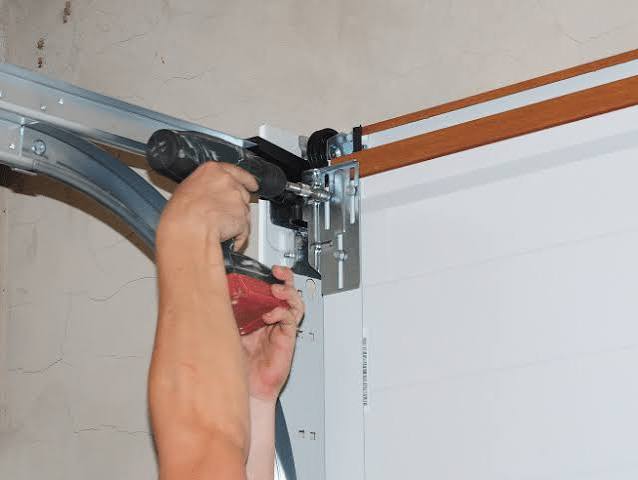
Is your garage door sticking, making strange noises, or refusing to close properly? A misaligned garage door track is often the culprit behind these frustrating issues. If you’re wondering “how do you fix a misaligned garage door track,” you’re in the right place. This common problem can usually be resolved with basic tools and a bit of patience, saving you hundreds of dollars on professional repairs.
Garage doors endure daily wear and tear, and even minor impacts from vehicles or accumulated debris can knock tracks out of alignment. Left unaddressed, this issue can lead to costly damage to rollers, cables, and even the door itself. In this comprehensive guide, we’ll walk you through everything you need to know about identifying, diagnosing, and fixing misaligned garage door tracks safely and effectively.
What Causes Garage Door Tracks to Become Misaligned?
Before diving into repairs, it’s essential to understand what causes misalignment in the first place. Knowing the root cause helps prevent future occurrences and ensures a more lasting fix.
Common Causes of Track Misalignment
- Accidental Impact: Bumping the track with a vehicle, ladder, or heavy object is the most frequent cause. Even a minor collision can bend steel tracks enough to disrupt smooth operation.
- Loose Hardware: Over time, vibrations from regular door use can loosen bolts, screws, and brackets that secure the track to walls and ceilings.
- Foundation Shifting: Homes built on unstable soil may experience slight foundation shifts, which can subtly alter the position of garage door mounting points.
- Poor Installation: If tracks weren’t installed level and plumb initially, problems will inevitably arise as the door cycles repeatedly.
- Weather and Temperature Changes: Extreme heat or cold can cause metal tracks to expand or contract, potentially affecting alignment over time.
According to the International Association of Certified Home Inspectors, approximately 30% of garage door service calls involve track-related issues, with misalignment being among the top three reasons. Understanding these causes empowers homeowners to take preventive measures and recognize early warning signs.
How to Identify a Misaligned Garage Door Track
Recognizing the symptoms early can prevent minor issues from escalating into major repairs. Here are the telltale signs that your garage door track needs attention:
Visual Inspection Checklist
| Symptom | What It Indicates |
|---|---|
| Visible gaps between rollers and track | Track has shifted outward or inward |
| Bent or warped sections of metal | Physical damage requiring straightening or replacement |
| Uneven spacing along the track length | Mounting brackets have loosened |
| Rust or corrosion spots | Moisture damage weakening structural integrity |
Operational Warning Signs
- Grinding or scraping noises during opening or closing
- Door jerking or sticking at specific points
- Uneven movement where one side moves faster than the other
- Door failing to close completely or reversing unexpectedly
If you notice any combination of these symptoms, it’s time to inspect your tracks closely. Always disconnect the garage door opener and manually operate the door during inspection for safety.
Tools and Materials You’ll Need
Having the right tools on hand makes the repair process smoother and safer. Here’s what you’ll need:
- Adjustable wrench or socket set (typically 9/16″ or 1/2″)
- Rubber mallet or hammer with wood block
- Level (4-foot level recommended)
- Screwdriver set (Phillips and flathead)
- Pliers or locking pliers
- Safety glasses and work gloves
- Lubricant spray (silicone-based preferred)
- Replacement bolts or brackets (if originals are stripped)
Pro Tip: Keep a flashlight handy for better visibility in dimly lit garages, and consider having a helper assist with holding components steady during adjustments.
Step-by-Step Guide: How Do You Fix a Misaligned Garage Door Track?
Now let’s get into the practical steps. Follow this methodical approach to realign your garage door track safely and effectively.
Step 1: Ensure Safety First
Before touching anything, disconnect the garage door opener by pulling the emergency release cord. Manually lower the door completely to relieve tension from springs and cables. Wear safety glasses and gloves throughout the process.
Step 2: Inspect the Entire Track System
Examine both vertical and horizontal track sections thoroughly. Look for:
- Loose bolts at bracket connections
- Visible bends or dents
- Debris accumulation inside the track channel
- Worn or damaged rollers
Take photos with your phone before making adjustments—this provides a reference point if you need to backtrack.
Step 3: Tighten All Loose Hardware
Using your wrench or socket set, systematically tighten every bolt and screw securing the track brackets to wall studs and ceiling joists. Don’t overtighten, as this can strip threads or warp thin metal. Check each bracket individually, working from bottom to top on vertical sections and end to end on horizontal runs.
Step 4: Realign Bent Sections
For minor bends:
- Place a wood block against the bent area to protect the metal surface
- Gently tap with a rubber mallet until the track returns to its proper shape
- Use your level to verify straightness after each adjustment
Important: If the bend is severe or the metal is cracked, replacement is safer than attempting repairs. Compromised tracks can fail catastrophically under tension.
Step 5: Verify Proper Alignment
Place your level against the vertical track sections—they should be perfectly plumb (vertical). Horizontal tracks should slope slightly downward toward the back of the garage (approximately 1/4 inch per foot) to aid door movement. Adjust bracket positions as needed, then retighten all hardware.
Step 6: Test Door Operation
Reconnect the opener and test the door through several complete cycles. Listen for unusual sounds and watch for smooth, even movement. If problems persist, recheck your work or consider consulting a professional.
Step 7: Lubricate Moving Parts
Apply silicone-based lubricant to rollers, hinges, and track channels. Avoid petroleum-based products, which attract dust and gum up over time. Regular lubrication every six months extends component life significantly.
When to Call a Professional
While many misalignment issues are DIY-friendly, certain situations warrant professional assistance:
- Severe track damage requiring replacement
- Torsion spring issues (extremely dangerous without proper training)
- Repeated misalignment despite proper repairs
- Cable fraying or snapping
- Door imbalance where one side hangs lower
The Garage Door Manufacturers Association recommends professional inspection annually, even if no obvious problems exist. Preventive maintenance costs far less than emergency repairs.
FAQ Section
Q1: Can I fix a misaligned garage door track myself?
A: Yes, minor misalignments caused by loose hardware or slight bends can typically be fixed by homeowners with basic tools and mechanical aptitude. However, if you’re uncomfortable working with heavy doors or suspect spring-related issues, hire a licensed technician.
Q2: How much does it cost to fix a misaligned garage door track professionally?
A: Professional repair costs typically range from $150 to $350, depending on severity and location. Simple realignment jobs fall on the lower end, while track replacement or extensive repairs cost more. DIY fixes cost only your time plus minimal supplies ($20–$50).
Q3: How often should I check my garage door track alignment?
A: Perform a visual inspection every three months and a thorough check annually. Look for loose bolts, unusual noises, or operational changes. Immediate inspection is warranted after any impact or unusual event.
Q4: What’s the difference between track realignment and track replacement?
A: Realignment adjusts existing tracks back to proper position through tightening and gentle reshaping. Replacement involves installing entirely new track sections when damage is too severe for repair. Replacement costs significantly more but may be necessary for safety.
Q5: Will a misaligned track damage my garage door opener?
A: Yes, prolonged operation with misaligned tracks forces the opener motor to work harder, potentially causing premature failure. The added resistance can burn out motors, strip gears, or damage circuit boards. Addressing track issues promptly protects your investment.
Q6: Can weather affect garage door track alignment?
A: Indirectly, yes. Extreme temperature fluctuations cause metal expansion and contraction, which can gradually loosen fasteners. Humidity promotes rust, weakening structural integrity. Proper installation with adequate clearance and regular maintenance minimizes weather-related issues.
Conclusion
Learning how do you fix a misaligned garage door track empowers you to handle a common household issue confidently and cost-effectively. By following the systematic approach outlined above—safety first, thorough inspection, careful adjustment, and regular maintenance—you can keep your garage door operating smoothly for years to come.
Remember, prevention is always easier than repair. Schedule quarterly inspections, keep tracks clean and lubricated, and address minor issues before they escalate. Your garage door is one of the most frequently used moving parts in your home; treating it with care pays dividends in reliability and longevity.
Found this guide helpful? Share it with friends and family on social media who might benefit from these tips. Bookmark this page for future reference, and don’t hesitate to leave comments with your own experiences or questions. Together, we can help more homeowners tackle garage door maintenance with confidence!
Leave a Reply