Introduction
There is nothing quite as frustrating as pulling into your driveway during a storm, only to realize the garage door won’t budge because the electricity is out. You are left standing in the rain, wondering, “How do I open a garage door with no power?” It is a common panic moment for many homeowners, but rest assured, you are not trapped.
Most modern garage doors are designed with safety and accessibility in mind, meaning they can almost always be operated manually even when the grid goes down. In this guide, we will walk you through the safest and most effective ways to regain access to your garage, ensuring you stay dry and secure without damaging your equipment.
Understanding the Mechanics: Why Does the Door Lock?
Before we dive into the solutions, it helps to understand why the door stops working. When you press your remote or wall button, an electric motor engages a trolley that moves along a rail to lift the heavy door. Without power, the motor disengages, but the door itself remains heavy—often weighing between 100 to 400 pounds.
The primary obstacle isn’t just the weight; it is the locking mechanism. Most openers have a “lock” feature that engages when power is cut to prevent the door from sliding down uncontrollably. To open it, you must bypass the motor entirely.
Method 1: Using the Emergency Release Cord (The Standard Fix)
This is the most common and universally applicable method for sectional garage doors. Every garage door opener manufactured in the last few decades includes a manual release mechanism.
Step-by-Step Guide:
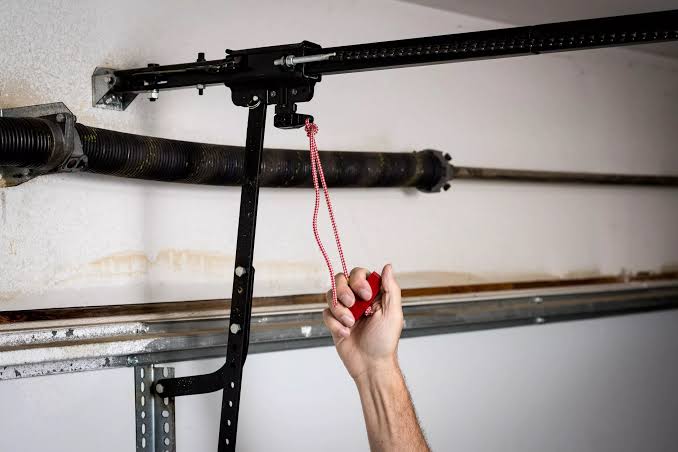
- Locate the Red Cord: Look for a red rope or cord hanging from the center of the garage door opener rail. It usually has a plastic handle at the end.
- Pull Down Firmly: Grab the handle and pull it straight down toward the floor. You should hear a distinct click. This sound indicates that the trolley has disconnected from the opener carriage.
- Lift the Door Manually: Once disconnected, the door is no longer held by the motor. Place your hands on the bottom section of the door. Lift slowly and steadily.
- Note: If your door has broken springs, it will feel extremely heavy. Do not force it. Call a professional if the door feels impossibly heavy.
- Secure the Door: Once open, prop it up with a ladder or a sturdy object if you need to keep it open, as there is no automatic hold-open feature in manual mode.
Safety Tip: Never pull the emergency release cord while the door is moving. Only use it when the door is fully closed and stationary.
Method 2: The External Key Lock (If Available)
Some older garage doors or specific high-security models come with an external keyhole located on the outside of the door. This is often found on the center panel or near the handle.
- Insert the Key: Use the original garage door key (not your house key).
- Turn and Lift: Turn the key to unlock the mechanism. This usually disengages the lock bar. You can then lift the door manually from the outside.
If you have lost this key, do not attempt to pick the lock, as this can damage the cylinder. Instead, proceed to Method 1 by entering through a side door if possible.
Method 3: Using a Battery Backup System
If you frequently experience power outages in your area, investing in a battery backup unit is the most proactive solution. Many modern openers, such as those from LiftMaster or Chamberlain, offer integrated battery backups.
- How It Works: The battery keeps the opener running for several cycles (usually 24–48 hours) during an outage.
- Activation: Some units activate automatically; others require you to press a specific “Backup” button on the wall console.
According to industry standards, a reliable backup system should provide enough power to operate the door at least 20 times on a single charge. For more details on garage door safety standards, you can refer to Wikipedia’s entry on Garage Door Openers.
Method 4: The Smart Garage Hub Solution
For the tech-savvy homeowner, smart garage hubs (like MyQ or Tailwind) can be paired with a uninterruptible power supply (UPS). While the hub itself doesn’t lift the door, it allows you to monitor the status. However, note that smart hubs still require power to operate the motor. Therefore, this method is only effective if combined with a battery backup or generator.
Comparison: Manual vs. Automated Solutions
| Feature | Manual Release (Red Cord) | Battery Backup Unit | External Key Lock |
|---|---|---|---|
| Cost | Free (Included) | $100–$300 | Free (Included) |
| Ease of Use | Moderate (Requires strength) | Easy (Automatic) | Easy (If key is available) |
| Reliability | 100% (Mechanical) | High (Depends on battery health) | High (Mechanical) |
| Best For | Emergencies | Frequent outages | Older homes/Security |
Common Mistakes to Avoid
When trying to figure out how do I open a garage door with no power, homeowners often make critical errors that can lead to injury or damage.
- Forcing a Heavy Door: If the door feels unusually heavy, your torsion springs may be broken. Lifting it manually can cause the door to crash down. Stop immediately and call a technician.
- Leaving the Door Unsecured: A manually lifted door has no auto-reverse safety feature. If it slips, it can cause severe injury. Always use a clamp or ladder to hold it in place.
- Ignoring the Lock Mode: Some openers have a physical lock switch on the wall console. Ensure this is not engaged before attempting to use the emergency release.
FAQ Section
1. Can I open my garage door from the outside without a key?
If you do not have an external key lock, you cannot open the door from the outside without triggering the emergency release from the inside. However, some thieves use a technique involving a coat hanger to pull the red release cord through the gap at the top of the door. To prevent this, ensure your weather stripping is tight and consider installing a shield over the release mechanism.
2. Will my garage door opener work with a portable generator?
Yes, but you must be cautious. Plug the garage door opener directly into the generator using a heavy-duty extension cord. Do not plug it into a home circuit that is being powered by the generator unless you have a proper transfer switch installed. Surges from generators can damage the opener’s logic board.
3. How do I reconnect the garage door after power is restored?
Once power returns, you must re-engage the opener. Pull the emergency release cord toward the door (away from the motor) until you hear a click. Alternatively, simply use your remote to close the door; the trolley will automatically re-engage with the carriage when it hits the limit switch.
4. Is it dangerous to lift a garage door manually?
It can be if the springs are broken. A properly balanced garage door should lift with moderate effort. If it feels like dead weight, do not lift it. The springs carry 90% of the door’s weight. If they fail, the full weight rests on you, which can cause back injuries or crush hazards.
5. Can I install a battery backup on any garage door opener?
Not all openers are compatible with aftermarket battery backups. Check your manufacturer’s manual. Brands like LiftMaster, Chamberlain, and Genie offer specific backup units for their models. Universal kits are available but may require professional installation to ensure safety compliance.
Conclusion
Knowing how do I open a garage door with no power is an essential skill for every homeowner. Whether you use the simple red emergency release cord, an external key, or invest in a battery backup system, you now have the tools to handle a power outage with confidence.
Remember, safety comes first. Always check the balance of your door and never force a mechanism that feels stuck. If you found this guide helpful, please share it with your neighbors on social media—you might just save them from standing in the rain next time the grid goes down!
Leave a Reply