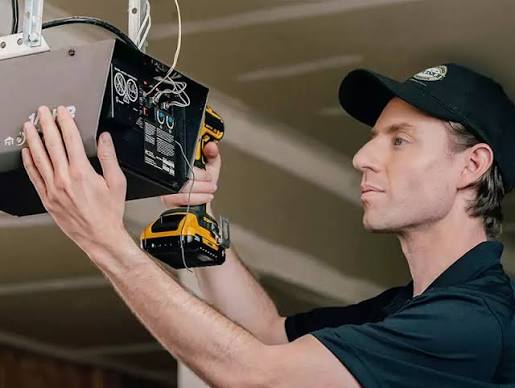
Have you ever stood in front of a wall of hardware store shelves, staring at boxes of motors and remotes, feeling completely overwhelmed? You are not alone. Choosing the right equipment is critical for safety, convenience, and longevity, yet the technical specifications can be confusing. If you are asking yourself, “How Do I Know Which Garage Door Opener To Buy,” this guide will break down everything you need to make an informed decision with confidence.
Understanding the Core Drive Mechanisms
The first step in selecting an opener is understanding how it moves your door. The “drive” refers to the mechanism that transfers power from the motor to the trolley that pulls the door up. There are four main types, each with distinct advantages and drawbacks.
1. Chain Drive: The Durable Workhorse
Chain drive openers use a metal chain, similar to a bicycle chain, to pull the trolley. They are the most common and affordable option on the market.
- Pros: Highly durable, low maintenance, and cost-effective.
- Cons: Noisy operation. The metal-on-metal contact creates a rattling sound that can be disruptive if your garage is attached to your living space or has bedrooms above it.
- Best For: Detached garages or homeowners on a budget who prioritize durability over silence.
2. Belt Drive: The Quiet Contender
Belt drives use a steel-reinforced rubber belt instead of a metal chain. This design significantly reduces vibration and noise.
- Pros: Extremely quiet operation, smooth movement, and less wear on components due to reduced vibration.
- Cons: Slightly more expensive than chain drives. Belts may need replacement after many years, though modern reinforced belts last a long time.
- Best For: Attached garages, homes with living spaces above the garage, or anyone who values peace and quiet.
3. Screw Drive: The Low-Maintenance Option
Screw drive openers use a threaded steel rod that rotates to move the trolley. There are fewer moving parts compared to chain or belt systems.
- Pros: Fewer moving parts mean less maintenance. They perform well in extreme temperature fluctuations because they are less affected by thermal expansion than chains.
- Cons: Can be noisy (though quieter than chain drives) and may require lubrication more frequently in dusty environments.
- Best For: Areas with extreme weather conditions or homeowners who want a “set it and forget it” solution.
4. Direct Drive: The Modern Innovation
In a direct drive system, the motor itself travels along a stationary chain or screw. This eliminates the need for a separate trolley.
- Pros: Very quiet, few moving parts, and compact design.
- Cons: Higher initial cost and potentially harder to find technicians familiar with repairs.
- Best For: Tech-savvy homeowners looking for premium performance and minimal noise.
Matching Horsepower to Your Door Weight
One of the most common mistakes buyers make is ignoring the horsepower (HP) rating. The motor must be strong enough to lift your specific door without straining. Using an underpowered motor can lead to premature failure.
| Door Type | Recommended Horsepower | Why It Matters |
|---|---|---|
| Single Car, Lightweight (Aluminum/Fiberglass) | 1/3 HP to 1/2 HP | Sufficient for light loads; cost-effective. |
| Standard Single or Double Car (Steel) | 1/2 HP to 3/4 HP | The industry standard; handles most residential doors. |
| Heavy Wood or Insulated Double Car | 3/4 HP to 1+ HP | Necessary for heavy materials to ensure smooth operation. |
Expert Tip: If you have a double-car door made of solid wood or heavily insulated steel, do not settle for less than 3/4 HP. A stronger motor ensures longer lifespan and smoother operation, especially in cold weather when lubricants thicken.
Essential Safety and Security Features
Modern garage door openers are not just about lifting doors; they are critical security devices. When evaluating models, prioritize these non-negotiable features.
Rolling Code Technology
Older openers used fixed codes, which hackers could easily intercept. Today, rolling code technology changes the access code every time you use the remote. This prevents code grabbing and unauthorized entry. Ensure any model you buy explicitly states it uses rolling codes.
Photo-Eye Sensors
Federal law in the United States requires all garage door openers manufactured after 1993 to have safety reversal systems. Photo-eye sensors beam an invisible light across the bottom of the door opening. If anything breaks the beam (like a child, pet, or bike), the door immediately stops and reverses. Never buy an opener that lacks this feature.
Battery Backup
Power outages often happen during storms—the exact time you might need to leave or enter your home. A built-in battery backup allows you to operate the door several times even when the electricity is out. This feature is increasingly becoming a standard expectation rather than a luxury.
Smart Connectivity: Is It Worth It?
The rise of the Internet of Things (IoT) has transformed garage door openers into smart home hubs. But do you really need Wi-Fi connectivity?
Benefits of Smart Openers:
- Remote Monitoring: Check if you left the door open from anywhere in the world via a smartphone app.
- Voice Control: Integrate with Amazon Alexa, Google Assistant, or Apple HomeKit.
- Temporary Access: Grant digital keys to dog walkers or delivery services without handing over a physical remote.
Considerations: Smart features require a stable Wi-Fi signal in your garage. If your garage is a Wi-Fi dead zone, you may need to install a range extender. Additionally, smart openers are typically $50–$100 more expensive than basic models. If you rarely forget to close the door, a standard model may suffice.
Installation: DIY vs. Professional Help
Before purchasing, assess your comfort level with installation. Most modern openers come with detailed manuals and pre-assembled rail systems, making DIY feasible for handy homeowners.
Steps for Successful DIY Installation:
- Read the Manual Thoroughly: Do not skip this step. Manufacturers provide specific torque settings and alignment instructions.
- Gather Tools: You will typically need a ladder, wrench set, screwdrivers, and a helper.
- Disconnect the Old Opener: Ensure the door is closed and locked before removing the old unit.
- Install the Rail and Motor: Follow the step-by-step guide to mount the header bracket and attach the rail.
- Test Safety Features: After installation, test the photo-eyes and force settings multiple times.
If you are uncomfortable working with electrical wiring or heavy lifting, hiring a professional is worth the investment. Improper installation can void warranties and create safety hazards.
Budgeting for Long-Term Value
While price is a factor, consider the total cost of ownership. A cheap $150 opener might save money upfront but could require frequent repairs or replacement within five years. A high-quality $300–$400 belt-drive opener with a battery backup and smart features often lasts 10–15 years with minimal maintenance.
Look for warranties that cover both the motor and the parts. A lifetime warranty on the motor is a good indicator of manufacturer confidence.
FAQ Section
Q: How long do garage door openers typically last?
A: Most quality garage door openers last between 10 to 15 years. Regular maintenance, such as lubricating moving parts and testing safety sensors, can extend this lifespan.
Q: Can I install a new opener on my existing door?
A: Yes, in most cases. However, ensure your existing door is in good condition and balanced. If the door is difficult to lift manually, fix the springs and tracks before installing a new opener to avoid straining the new motor.
Q: What is the difference between AC and DC motors?
A: AC motors are traditional, powerful, and often noisier. DC motors are newer, quieter, and offer variable speed control (soft start/stop), which reduces wear on the door. DC motors are generally preferred for residential use today.
Q: Do I need a special remote for a smart opener?
A: No. Smart openers still come with standard radio-frequency remotes. The smart functionality is an additional layer controlled via Wi-Fi and an app, providing flexibility rather than replacing traditional controls.
Q: Why is my garage door opener making a grinding noise?
A: Grinding noises usually indicate worn gears, lack of lubrication, or misalignment. If you hear grinding, stop using the opener immediately and inspect the drive mechanism. Continuing to use it can cause permanent damage to the motor.
Conclusion
Choosing the right garage door opener doesn’t have to be a headache. By focusing on the drive type that fits your noise tolerance, matching the horsepower to your door’s weight, and prioritizing safety features like rolling codes and photo-eyes, you can make a confident purchase. Remember, investing in a quality belt-drive or direct-drive model with smart capabilities may cost more initially but pays off in convenience, security, and longevity.
Now that you know how do I know which garage door opener to buy, take a moment to assess your current setup. Measure your door, check your Wi-Fi signal, and decide which features matter most to your family. Share this guide with friends or neighbors who are also struggling with their aging garage doors—help them upgrade to a safer, smarter home today!
Leave a Reply