Have you ever stared at your garage door, wondering exactly which model it is, only to feel completely stuck? Whether you need replacement parts, want to upgrade your opener, or are simply curious about your home’s specifications, knowing how do I know what model my garage door is can feel like solving a mystery without clues. Don’t worry—you’re not alone, and the answer is often simpler than you think.
Identifying your garage door model is crucial for maintaining safety, ensuring compatibility with new hardware, and preserving your home’s value. In this comprehensive guide, we’ll walk you through every method professionals use, from locating hidden labels to measuring critical dimensions. By the end, you’ll have the confidence to identify your door accurately and take the next steps with ease.
Where Can I Find the Model Number on My Garage Door?
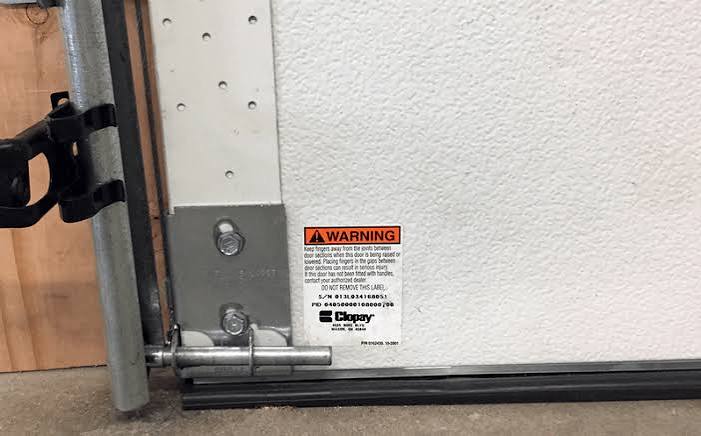
The fastest way to identify your garage door is by locating its manufacturer label. Most reputable brands stamp or sticker this information directly onto the door during production. However, finding it requires knowing where to look.
Common Label Locations
- Back Panel (Interior Side): Check the upper sections of the interior side of the door. Manufacturers often place labels near the top hinge or along the horizontal strut.
- Edge of the Panel: Look at the vertical edges of the door panels, especially near the bottom or middle sections.
- Spring Hardware Area: Sometimes, labels are affixed near the torsion spring or extension spring brackets. Caution: Never touch or adjust springs yourself.
- Opener Motor Unit: While not the door itself, the opener often has a model number that can help cross-reference compatible door types.
What Information Does the Label Contain?
A typical manufacturer label includes:
- Model Number: A unique alphanumeric code identifying the specific design.
- Serial Number: Useful for warranty claims and production date verification.
- Manufacturing Date: Helps determine the age of the door.
- Weight and Size Specifications: Critical for selecting the right opener and springs.
- Manufacturer Name: Brands like Chamberlain, LiftMaster, Genie, or Clopay.
If the label is faded, missing, or painted over, don’t panic. We’ll cover alternative methods below.
What If There Is No Label? How to Identify by Visual Features
When labels are absent, visual inspection becomes your best tool. Different manufacturers and eras have distinct design signatures.
Step-by-Step Visual Identification
- Check the Panel Style:
- Raised Panels: Common in traditional steel doors.
- Flush Panels: Modern, minimalist look often seen in aluminum or fiberglass doors.
- Carriage House: Mimics old-fashioned barn doors with decorative hardware.
- Examine the Window Design:
- Are there windows? If so, note their shape (rectangular, arched, square) and placement (top row, scattered).
- Window inserts often have brand logos etched into the corner.
- Look at the Hardware:
- Hinges, handles, and decorative studs can indicate the era and style. For example, wrought-iron style handles suggest a carriage house model.
- Identify the Material:
- Steel: Magnetic test (a magnet will stick).
- Aluminum: Non-magnetic, lightweight, often anodized.
- Wood: Visible grain, heavier, may show warping over time.
- Fiberglass/Composite: Smooth finish, non-magnetic, resistant to dents.
According to industry experts, recognizing these visual cues can narrow down your search to 2–3 potential manufacturers, making it easier to contact support for confirmation.
How to Measure Your Garage Door for Model Identification
Accurate measurements are essential when contacting manufacturers or searching online databases. Incorrect dimensions can lead to ordering incompatible parts.
Essential Measurements to Take
| Measurement Type | How to Measure | Why It Matters |
|---|---|---|
| Width | Measure from the left edge to the right edge of the door opening (inside the frame). | Determines if the door fits the standard size categories (e.g., 8ft, 9ft, 16ft). |
| Height | Measure from the floor to the top of the door opening (inside the frame). | Critical for selecting the correct track length and opener rail. |
| Panel Height | Measure the vertical height of a single panel. | Helps identify the specific model series within a brand. |
| Thickness | Measure the edge of the door panel. | Indicates insulation level (single-layer vs. double-layer). |
Pro Tip: Use a metal tape measure for accuracy. Record measurements in both inches and feet. Standard residential doors are typically 7 or 8 feet high and 8, 9, 15, or 16 feet wide.
For more detailed standards on garage door sizes and construction, you can refer to general building guidelines available on Wikipedia.
Can I Identify the Model by the Opener Brand?
While the opener and the door are separate components, they are often installed together by the same contractor or purchased as a bundle. Identifying the opener can provide valuable clues.
Steps to Link Opener to Door Model
- Locate the Opener Model Number: Usually found on a sticker on the motor unit hanging from the ceiling.
- Check the Manual or Receipt: If you have access to original purchase documents, they often list both the opener and door models.
- Contact the Installer: If a professional installed the door, they may have records of the specific model used.
- Cross-Reference Compatibility: Visit the opener manufacturer’s website. Many brands list compatible door weights and sizes for each opener model.
Note that this method is less reliable if the opener was replaced independently of the door. However, it’s a useful starting point if other methods fail.
When Should I Contact a Professional for Identification?
Sometimes, DIY methods aren’t enough. Here’s when to call in an expert:
- Label is Completely Unreadable: If rust, paint, or damage has obliterated all identifying marks.
- Custom or Antique Doors: Older or custom-built doors may not follow standard manufacturing codes.
- Safety Concerns: If you suspect structural issues while inspecting the door.
- Warranty Claims: Manufacturers often require precise model and serial numbers for validation.
Professional garage door technicians have access to proprietary databases and catalogs that can identify obscure models quickly. They can also assess the door’s condition and recommend upgrades if necessary.
FAQ Section
Q1: Why is it important to know my garage door model?
Knowing your model ensures you buy compatible replacement parts, such as springs, cables, and rollers. It also helps in selecting the right opener and maintaining warranty coverage. Using incorrect parts can lead to safety hazards and premature wear.
Q2: Can I find my garage door model number online?
Yes, many manufacturers offer online lookup tools where you can enter visual characteristics or partial numbers. Additionally, forums and community groups dedicated to home improvement often have experts who can help identify models from photos.
Q3: What if my garage door is very old?
Older doors may not have modern labeling systems. In this case, focus on measuring dimensions, noting material type, and taking clear photos of hardware and panel styles. Contacting specialized vintage door restorers may be necessary.
Q4: Is the serial number the same as the model number?
No. The model number identifies the design and specifications shared by many units. The serial number is unique to your specific door, tracking its production date and batch. Both are important for different reasons.
Q5: How often should I check my garage door’s specifications?
It’s good practice to review your door’s specifications annually, especially before seasonal maintenance. This ensures you’re aware of weight limits and part requirements, helping prevent unexpected failures.
Q6: Can I replace just one panel if I know the model?
Yes, if you know the exact model, you can often order individual replacement panels. This is cost-effective compared to replacing the entire door, provided the model is still in production.
Identifying your garage door doesn’t have to be a frustrating ordeal. By checking for labels, analyzing visual features, taking precise measurements, and leveraging opener information, you can confidently answer the question, “How do I know what model my garage door is?”
Remember, accurate identification saves time, money, and ensures your home remains safe and functional. If you found this guide helpful, please share it with friends or neighbors who might be struggling with the same issue. Together, we can make home maintenance easier for everyone!
Leave a Reply