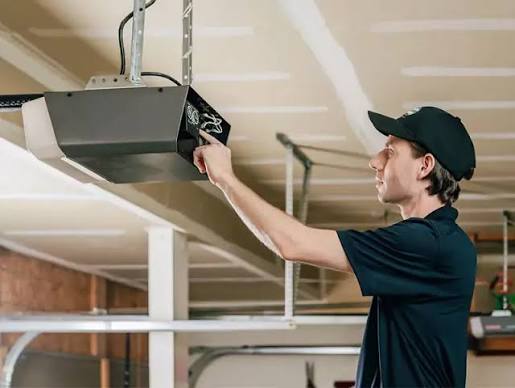
Is your old, grinding system finally giving out, leaving you stranded in the driveway? If you are asking yourself, “How do I get a new garage door opener,” you are in the right place to find a seamless solution. Let us walk you through the easiest ways to choose, buy, and install your new system.
How Do I Get A New Garage Door Opener? (Choosing the Right Model)
Getting a new system starts with understanding your specific needs. According to the International Door Association (IDA), a properly maintained and modern garage door system can last between 10 to 15 years. If yours is older, upgrading is a smart move for both security and convenience.
To get the right opener, you first need to measure your door. Standard residential doors are usually 7 or 8 feet tall. If you have an oversized door, you will need a specific heavy-duty model.
Next, consider your garage’s layout. If your garage is directly below a bedroom, noise reduction should be your top priority. By matching the opener type to your lifestyle, you ensure a smooth daily experience.
What Are the Best Types of Openers to Buy?
Not all openers are created equal. Here is a quick comparison to help you decide which drive mechanism fits your home best.
| Opener Type | Pros | Cons | Best For |
|---|---|---|---|
| Chain Drive | Highly durable, very affordable, easy to find parts. | Noisy, causes vibration. | Detached garages, budget-conscious buyers. |
| Belt Drive | Extremely quiet, smooth operation, low maintenance. | Slightly more expensive than chain drives. | Garages attached to or below living spaces. |
| Screw Drive | Fewer moving parts, works well in extreme temperatures. | Can be noisy over time, requires occasional lubrication. | Wide or heavy doors, extreme climates. |
| Smart (Wi-Fi) | Remote monitoring via smartphone, voice control compatible. | Requires a strong Wi-Fi signal, higher upfront cost. | Tech enthusiasts, frequent travelers. |
Pro Tip: A smart garage door opener is highly recommended if you frequently forget to close your door. You can check its status and close it directly from your phone!
Where Can I Purchase a New Garage Door Opener?
Once you know what type you need, you have three main avenues to purchase one.
1. Big Box Home Improvement Stores Retailers like The Home Depot or Lowe’s are excellent for DIYers. They carry top brands like Chamberlain and Genie, and you can take the unit home the same day.
2. Online Marketplaces Websites like Amazon offer a massive selection, often with detailed user reviews. This is the best route if you are looking for specific smart home integrations or niche brands.
3. Professional Local Dealers If you prefer a hands-off approach, local garage door companies will supply and install the unit for you. While this costs more, it comes with a robust labor warranty.
For a deeper historical and technical understanding of how these mechanisms work, you can read the comprehensive overview on Wikipedia’s Garage Door Opener page.
Step-by-Step: How to Install Your New Opener
If you decide to tackle the garage door opener installation yourself, safety is paramount. Always disconnect the power at the breaker before starting. Here is a concrete guide to get you through the process.
Step 1: Unbox and Inventory Lay out all parts on the garage floor. Ensure you have the motor unit, rail sections, trolley, carriage door arm, and the wall control panel.
Step 2: Assemble the Rail Slide the rail sections together. Use the provided 5/16-inch hex key to tighten the bolts. Ensure the rail is perfectly straight; tighten the bolts to exactly 15 ft-lbs of torque to prevent future stripping.
Step 3: Mount the Header Bracket This bracket connects the rail to the door. Measure and mark a spot exactly 18 inches above the highest point of the garage door. Drill pilot holes and secure the bracket using the provided 2-inch lag screws into the structural header.
Step 4: Attach the Motor and Rail This is a two-person job. Have a helper support the 15-pound motor unit while you secure the hanging bracket to the ceiling joists. Use heavy-duty angle iron and ensure the rail has a slight upward slope (about 1/4 inch per foot) toward the motor.
Step 5: Wire the Safety Sensors Safety is non-negotiable. Run the 2-conductor bell wire from the motor to the bottom of the door tracks. Mount the infrared sensors on both sides, exactly 6 inches above the concrete floor. Ensure the indicator lights on both sensors glow solidly; if they blink, realign them.
Step 6: Program the Remotes Plug the motor into a grounded outlet. Press the “Learn” button on the back of the motor unit (the LED will light up). Within 30 seconds, press and hold the button on your remote until the motor clicks, confirming the pairing.
How Much Does It Cost to Get a New Garage Door Opener?
Budgeting is a crucial part of the process. Data from Angi shows that the national average cost for a new garage door opener installation ranges between $350 and $650.
Most homeowners spend around $480 for a high-quality belt-drive system, including professional installation. If you choose to do it yourself, the unit alone typically costs between $150 and $300, depending on whether you opt for a basic chain drive or a premium smart model.
Always factor in the cost of new safety sensors or extra remotes, which usually add about $30 to $50 to your total.
Frequently Asked Questions (FAQ)
Can I install a garage door opener myself?
Yes, absolutely. Most modern openers come with detailed, step-by-step manuals and require only basic hand tools (a drill, wrench set, and ladder). However, if you are uncomfortable working on a ladder or dealing with electrical wiring, hiring a professional is always the safer choice.
How long does a new garage door opener last?
With proper maintenance, a high-quality garage door opener should last between 10 to 15 years. Regularly lubricating the moving parts and keeping the safety sensors clean will significantly extend the lifespan of your system.
Do I need a dedicated outlet for my garage door opener?
Yes, it is highly recommended. Your opener should be plugged into a standard, grounded 120-volt electrical outlet. Avoid using extension cords, as they can cause voltage drops that may damage the motor or create a fire hazard.
Will a new opener work with my old garage door?
In most cases, yes. Modern openers are designed to be universally compatible with standard sectional garage doors. However, if your door is exceptionally heavy, made of one-piece solid wood, or lacks proper spring tension, you may need to upgrade the door springs before installing the new opener.
What is the most reliable garage door opener brand?
Chamberlain and LiftMaster (which are manufactured by the same parent company) are widely considered the industry leaders in reliability and customer support. Genie is another highly reputable brand known for its innovative smart home features and durable screw-drive systems.
Conclusion
Upgrading your access system does not have to be a stressful ordeal. By understanding your options, choosing the right drive type, and following precise installation steps, you can easily solve the problem of a failing system. A new opener not only adds convenience but also drastically improves your home’s security and daily functionality.
Leave a Reply