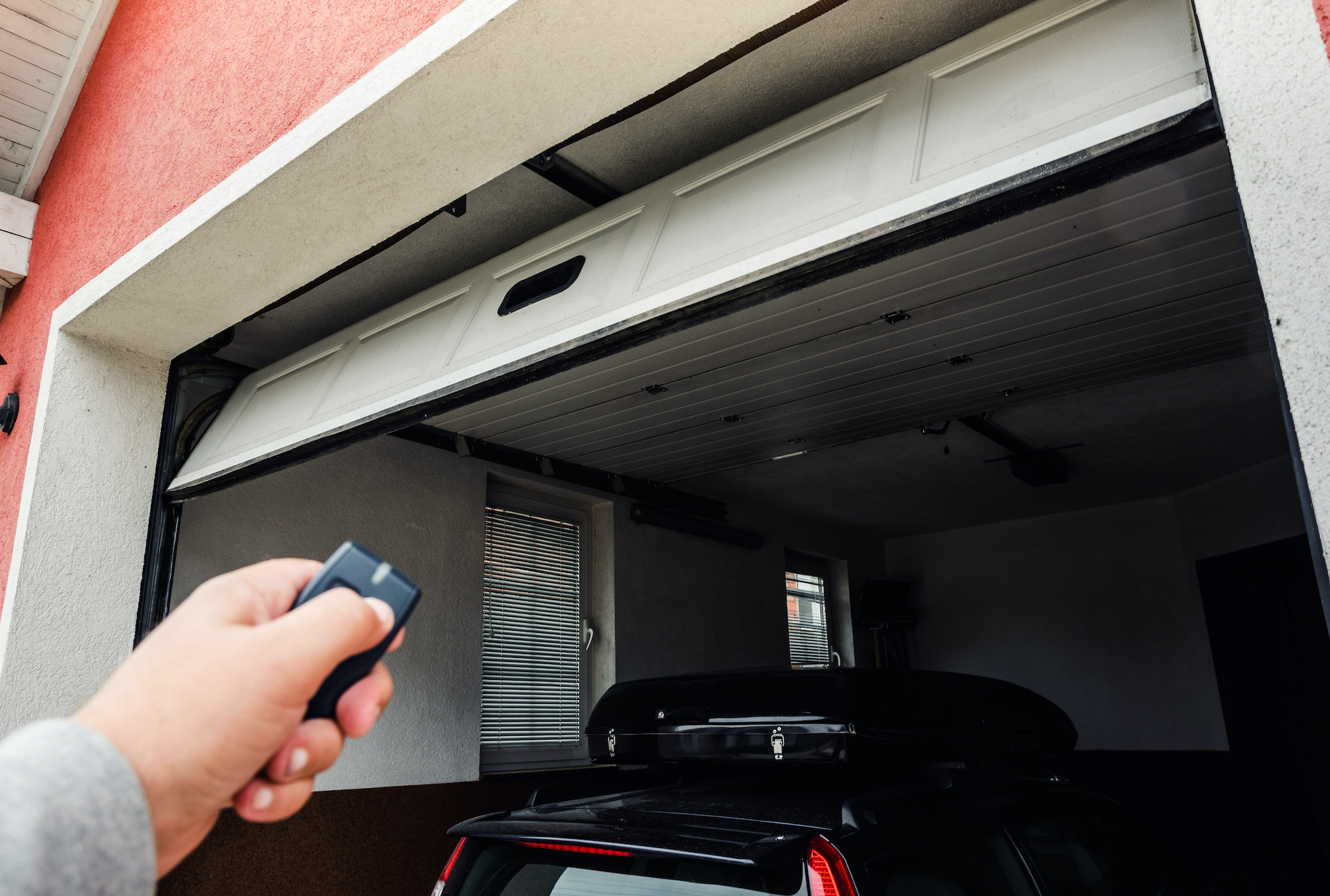
Is your garage door refusing to stay closed unless you keep your finger pressed on the button? It is a frustrating and potentially dangerous issue that many homeowners face. If you find yourself thinking, “I have to hold garage door button down to close,” you are not alone. This common problem usually stems from safety sensor misalignment or track obstructions, but ignoring it can lead to bigger mechanical failures or security risks.
In this guide, we will walk you through the exact steps to diagnose and fix this issue safely. Whether you are a DIY enthusiast or just want to understand what is happening before calling a technician, this article provides clear, actionable solutions based on industry standards and expert insights.
Understanding Why Your Garage Door Requires Constant Pressure
Before jumping into fixes, it is crucial to understand why modern garage doors behave this way. Most residential garage door openers manufactured after 1993 are required by federal law in the United States to have automatic reverse mechanisms. This is a critical safety feature designed to prevent injury or damage.
When you press the wall button or remote, the opener sends a signal to close the door. However, if the system detects any resistance, obstruction, or faulty sensor data, it immediately stops and reverses direction. To bypass this safety check temporarily, some older models or malfunctioning units allow the door to close only while the button is actively held down. This is often called “constant pressure mode.”
According to the Consumer Product Safety Commission (CPSC), garage door-related injuries send thousands of people to emergency rooms annually. Ensuring your door closes automatically and safely is not just about convenience; it is about protecting your family and property.
The Role of Safety Sensors
The most common culprit behind this issue is the photo-eye safety sensors. These small devices are located near the bottom of your garage door tracks, usually 4–6 inches above the floor. They emit an invisible infrared beam across the doorway. If anything breaks this beam—whether it is a box, a pet, or even dirt—the door will refuse to close automatically.
If the sensors are misaligned, dirty, or broken, the opener thinks there is an obstruction even when the path is clear. As a result, it forces you to hold the button down to override the safety mechanism.
Step-by-Step Fixes for “Hold Button Down” Issues
Here are the most effective solutions, ranked from easiest to most complex. Always prioritize safety: disconnect the power before touching any electrical components.
1. Check and Clean the Safety Sensors
Start with the simplest fix. Over time, dust, spider webs, or mud can accumulate on the sensor lenses.
- Locate the sensors: Look for two small boxes on either side of the garage door near the floor.
- Inspect the lights: One sensor should have a steady green light (power), and the other should have a steady amber or red light (beam alignment). If the light is blinking or off, the sensors are misaligned.
- Clean the lenses: Use a soft, dry cloth to wipe both sensor lenses gently. Avoid using water or chemical cleaners.
- Check alignment: Ensure both sensors are pointing directly at each other. They should be at the same height and angle. You can adjust them by loosening the wing nut slightly and rotating the bracket until the indicator light becomes steady.
2. Inspect the Door Tracks and Rollers
Physical obstructions in the track can trigger the force-sensitive reversal mechanism.
- Visual inspection: Look for dents, bends, or debris in the metal tracks.
- Check rollers: Ensure all rollers are intact and moving smoothly. Broken rollers can cause the door to bind.
- Lubricate: Apply a silicone-based lubricant to the rollers and hinges. Avoid WD-40 as it attracts more dust over time.
3. Adjust the Force Settings
If the sensors are clean and aligned, the issue might be incorrect force settings. Modern openers have dials or digital settings to adjust how much force is needed to close the door.
- Locate the adjustment screws: On most openers, these are labeled “Force” or “Close Force” on the motor unit.
- Test carefully: Turn the dial slightly clockwise to increase closing force. Test the door after each small adjustment.
- Safety test: Place a 2×4 piece of wood flat on the ground under the center of the door. Close the door. It should reverse immediately upon hitting the wood. If it does not, the force is too high and poses a danger.
| Adjustment Type | Effect | Risk Level |
|---|---|---|
| Increase Close Force | Helps door overcome minor resistance | Medium (if set too high) |
| Decrease Close Force | Makes door more sensitive to obstacles | Low |
| Sensor Realignment | Restores automatic safety beam | None |
4. Examine the Wall Control Unit
Sometimes the issue lies with the wall button itself. If the contacts inside the button are worn out, they may not send a consistent signal.
- Test with remote: Try closing the door using your handheld remote. If it works fine with the remote but not the wall button, the wall unit likely needs replacement.
- Check wiring: Ensure the wires connecting the wall button to the opener are secure and not frayed.
When to Call a Professional
While many issues can be resolved with basic troubleshooting, some situations require professional expertise. Consider calling a certified garage door technician if:
- The door makes loud grinding or screeching noises.
- The springs appear broken or stretched. Never attempt to repair torsion springs yourself; they are under extreme tension and can cause severe injury.
- The door falls rapidly when disconnected from the opener.
- You have tried all the above steps and the problem persists.
According to the International Door Association (IDA), regular maintenance by a qualified professional can extend the life of your garage door system by up to 50%. Investing in annual inspections can prevent costly repairs down the line.
FAQ Section
Q1: Is it safe to keep holding the button down to close my garage door?
A: No, it is not recommended for long-term use. Holding the button bypasses the safety sensors, meaning the door will not reverse if it hits an object, person, or pet. This poses a significant risk of injury or property damage. You should fix the underlying issue as soon as possible.
Q2: Why does my garage door close with the remote but not the wall button?
A: This usually indicates a problem with the wall control unit or its wiring. The remote sends a radio signal directly to the opener, while the wall button uses wired connections. Check the wires for damage or replace the wall button if it is old or worn out.
Q3: My sensor light is blinking. What does this mean?
A: A blinking sensor light typically means the sensors are misaligned or obstructed. Ensure nothing is blocking the beam between the two sensors. Adjust their position until both lights become steady. If cleaning and realigning do not work, the sensor unit may need replacement.
Q4: Can weather affect my garage door’s ability to close?
A: Yes. Extreme temperatures can cause metal tracks to expand or contract, leading to binding. Humidity can also affect sensor performance. In winter, ice buildup on the tracks or sensors can prevent proper operation. Regular cleaning and lubrication help mitigate these effects.
Q5: How often should I maintain my garage door?
A: Experts recommend performing a basic visual inspection and lubrication every 6 months. A professional tune-up once a year is ideal to check springs, cables, and opener settings. This proactive approach prevents unexpected failures and ensures safety features remain functional.
Q6: What if my garage door opener is very old?
A: If your opener is more than 10–15 years old, it may lack modern safety features or efficient motors. Older models are more prone to mechanical failures and may not comply with current safety standards. Consider upgrading to a newer model with battery backup and smart connectivity for improved reliability and security.
Conclusion
Dealing with a garage door that requires you to hold the button down to close is more than just an inconvenience—it is a safety hazard. By systematically checking your safety sensors, cleaning tracks, adjusting force settings, and inspecting the wall control unit, you can often resolve the issue without expensive repairs.
Remember, your garage door is the largest moving object in your home. Treating it with care and attention ensures it operates smoothly and safely for years to come. If you are ever unsure or uncomfortable performing these checks, do not hesitate to contact a licensed professional.
Found this guide helpful? Share it with friends or neighbors who might be struggling with similar garage door issues. Let’s keep our communities safe and informed!
Leave a Reply